
Plants
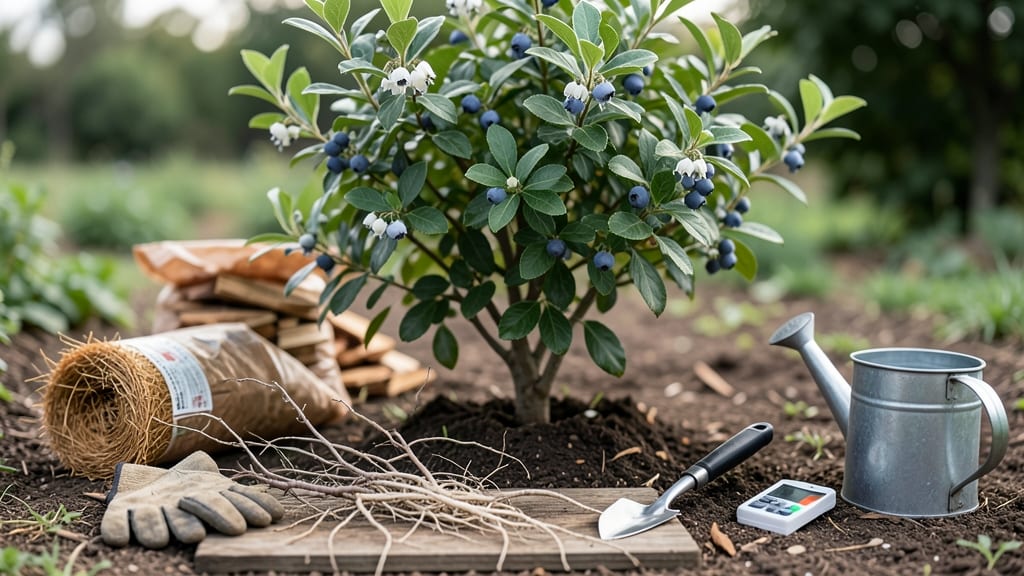
Planting your blueberry bushes 🫐 at the wrong time in Georgia’s USDA Zone 7b-8b can turn your dream harvest into a frustrating wait—especially when you’re just 3 months away from juicy berries.
The key isn’t just picking a season, but understanding how Georgia’s humid climate and microclimates (from coastal to Piedmont) demand precise timing for those Southern Highbush varieties.
Most gardeners assume spring is the only option, but in Georgia, late fall through early spring actually gives your blueberry roots a head start—especially when soil temps dip below 60°F.
I’ve seen firsthand how planting in November or February lets bushes establish deeper roots before the heat arrives, setting up a bountiful May-July harvest.
Here’s the game-changer: soil pH and chill hours matter just as much as the calendar. Georgia’s acidic soils need testing (aim for 4.5-5.5 pH) and amendments like sulfur, while Piedmont regions require early-season varieties that tolerate 200-300 chill hours.
I’ll walk you through the exact steps to prep your soil, choose the right timing for your zone, and avoid the 3 biggest mistakes Georgia growers make.
Ready to skip the guesswork? Let’s dive into the optimal planting windows, soil tweaks, and microclimate hacks that’ll have your bushes thriving—and your kitchen overflowing with homegrown blueberries—by next summer.
Best planting months for blueberry bushes in Georgia’s Zone 8 climate
Georgia’s USDA Zone 8 climate offers two prime windows for planting blueberry bushes: late fall and early spring. The key is planting when soil temperatures drop below 60°F but before hard frosts—typically October through March.
This timing lets roots establish before summer heat arrives, ensuring strong growth and fruiting. Southern Highbush varieties thrive in this schedule, while Rabbit Eye types benefit from cooler fall planting.
For coastal Georgia, where winters are milder, extend your planting window until early December. In the Piedmont region, colder winters mean planting should wrap up by mid-November to avoid frost damage.
Both regions face humid subtropical challenges, so proper soil prep and mulching are critical for success.
🌱
| Planting Window | Ideal Months | Soil Temp Threshold | Georgia Region | Variety Notes |
|---|---|---|---|---|
| Late Fall | October - November | Below 60°F | Coastal (until Dec) | Southern Highbush - Best for mild winters |
| Early Spring | February - March | Above 40°F | Piedmont (until Nov) | Rabbit Eye - Needs cooler dormancy |
| Extended Window | April (bare-root) | Above 50°F | All regions | Container plants only - Needs shade cloth |
Spring planting in February or March works well for bare-root bushes, giving roots time to establish before Georgia’s intense summer heat. Aim for planting 4-6 weeks before your last frost date—typically mid-March in most of the state.
For potted blueberries, you can plant as late as April, but provide afternoon shade during the first summer.
In coastal Georgia, where winters are milder, you can plant Southern Highbush varieties as late as early December. The Atlantic coast rarely sees hard frosts before January, giving roots extra time to settle. Meanwhile, Piedmont growers should finish planting by mid-November to avoid winter dieback from 20-30°F temperatures.
🌿
Soil temperature is your biggest indicator for timing. Use a soil thermometer to confirm temperatures below 60°F for fall planting or above 40°F for spring. In Zone 8a (northern Georgia), wait until late October to avoid early frosts, while Zone 8b (southern Georgia) can plant through November.
Both regions benefit from mulching with pine straw to maintain soil acidity and moisture.
For Southern Highbush varieties, like 'Peach Sorbet' or 'O'Neal', fall planting is ideal—they thrive in Georgia’s warm winters. Rabbit Eye types, such as 'Climax' or 'Powderblue', prefer cooler dormancy, making early spring planting better for the Piedmont region.
Always choose dwarf varieties for containers or small spaces, as they establish faster.
🪴
If you miss the ideal window, don’t panic. Container-grown blueberries can be planted in April or May, but provide 50% shade cloth during the first summer to reduce stress. For in-ground planting, prioritize well-draining, acidic soil (pH 4.5-5.5) and consistent moisture.
Amend clay soils with peat moss or sulfur to prevent root rot—a common issue in Georgia’s heavy soils.
Remember: Blueberries need chill hours (300-900 hours below 45°F) to fruit well. Georgia’s climate provides enough chill for Southern Highbush types, but Rabbit Eye varieties may need supplemental chill in milder winters. Monitor your microclimate—urban areas often run 5-10°F warmer than rural zones, affecting planting timing.
💧
Critical factors that determine Georgia blueberry planting success
Planting blueberry bushes in Georgia’s USDA Zone 8 requires balancing chill hours, frost dates, and soil pH—three factors that directly impact root establishment and fruiting success. Unlike northern climates, Georgia’s mild winters mean blueberries need careful timing to avoid winter dieback or summer stress.
The key is planting when soil temperatures stay below 60°F but before first frost—typically between October and March.
Your blueberry variety also matters: Southern Highbush types thrive in Georgia’s heat but need 300-500 chill hours (common in Piedmont), while Rabbit Eye varieties tolerate fewer chill hours (ideal for coastal areas).
Test your soil pH first—it must be between 4.5 and 5.5—or your bushes will struggle to absorb nutrients, even with perfect timing.
- 🌡️ Chill Hours: Southern Highbush needs 300-500 hours below 45°F; Rabbit Eye thrives with 200-300 hours.
- ❄️ Frost Dates: Plant 4-6 weeks before first frost (late Oct–early Nov) or dormant bare-root bushes in late winter (Jan–Feb).
- 📉 Soil pH: Must be 4.5-5.5—amend with peat moss or sulfur if needed (test 2-3 weeks before planting).
- 💧 Irrigation: Keep soil moist but not soggy for 6-8 weeks post-planting; mulch with pine straw to retain moisture.
- 🌱 Root Growth: Use mycorrhizal fungi or root stimulants (like seaweed extract) to boost establishment in Georgia’s clay-heavy soils.
If you’re planting in early spring (March), choose dwarf varieties like ‘Climax’ or ‘Premier’ to avoid heat stress later in the season. These varieties also handle Georgia’s hot summers better than standard bushes.
For late-season adjustments, use black plastic mulch to warm soil in spring or shade cloth during summer to protect young plants from 300°F+ soil temperatures.
Adjust your watering schedule based on Georgia’s humid climate: water deeply 2-3 times per week in summer but reduce to weekly in winter. Overwatering in Georgia’s clay soils leads to root rot, while underwatering causes poor fruiting.
A drip irrigation system keeps moisture consistent without wetting foliage (which invites fungal diseases like botrytis).
Pro tip: Plant blueberry bushes in raised beds if your native soil is too alkaline. Fill beds with a mix of 50% peat moss, 30% pine bark, and 20% sand to create the ideal acidic, well-draining environment.
This method also improves drainage in Georgia’s heavy rainfall zones, preventing waterlogged roots.
Finally, monitor your bushes for early signs of stress, like yellow leaves (a pH imbalance) or stunted growth (a nutrient deficiency). Georgia’s fast-growing weeds can outcompete young blueberries, so mulch heavily with wood chips or straw to suppress them.
With these adjustments, your Georgia blueberry bushes will establish strong roots and reward you with abundant harvests for decades. 🌱💧