
Plants
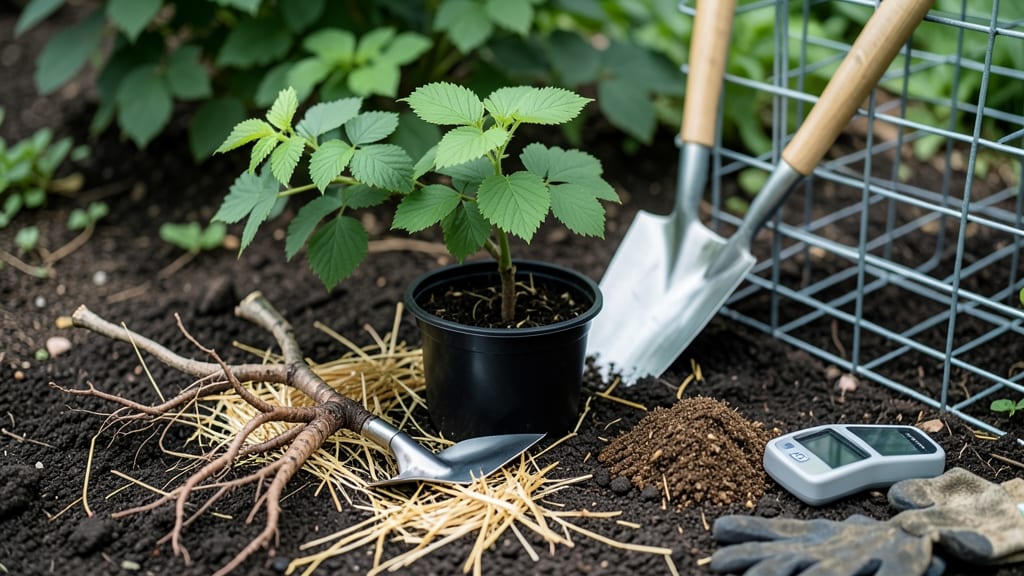
Planting blackberries in Oklahoma isn’t just about avoiding frost—it’s about matching chill hours to your variety for that perfect summer harvest. Whether you’re growing thornless Navajo or classic Ouachita, timing your 🫐 canes right means the difference between scraggly canes and a bounty of sweet berries.
Most gardeners in zones 6b-8a swear by late winter to early spring (February–March) or fall (September–October), but Oklahoma’s microclimates—from the cooler Panhandle to the humid Southeast—can shift those windows by weeks. I’ll show you how to read your local frost dates and adjust for the chill-hour needs of your blackberries.
You’ll also discover why bare-root plants thrive in early spring while potted varieties give you flexibility for fall planting. Plus, I’ll share my top tips for Oklahoma-specific prep—soil pH, trellising, and even container hacks for urban gardeners—to set your blackberries up for big yields and fewer headaches.
Ready to turn your backyard into a blackberry patch? Let’s dive into the exact planting schedule that’ll have your canes flourishing—and your freezer stocked—by next summer.
Oklahoma blackberry planting zones: chill-hours breakdown by variety
Oklahoma’s diverse microclimates—from the cooler Panhandle to the warmer Southeast—create unique challenges for blackberry growers. Unlike frost dates, chill hours (the number of hours below 45°F) determine when blackberries break dormancy and thrive. Miss this window, and you risk weak canes or poor fruit set.
Let’s match your favorite varieties to Oklahoma’s zones for peak performance.
For example, the Navajo blackberry, a popular thornless variety, needs 400–600 chill hours to produce reliably.
In USDA Zone 7a (central Oklahoma), this translates to planting in late February to early March, while Zone 8a (southeastern OK) may extend planting until mid-March. Chill-hour mismatches often cause delayed or sparse fruiting.
Here’s how Oklahoma’s two distinct regions affect your planting timeline:
| Variety | Chill Hours Needed | Best Oklahoma Zones | Planting Window | Notes |
|---|---|---|---|---|
| Navajo | 400–600 | 6b–8a | Late Feb–Early Mar | Thornless, early ripening |
| Ouachita | 300–500 | 7a–8a | Mid-Feb–Mid-Mar | Heat-tolerant, large fruit |
| Triple Crown | 500–700 | 6a–7a | Early Feb–Late Feb | Thornless, high yield |
| Arapaho | 600–800 | 6a–6b | Late Jan–Early Feb | Cold-hardy, late season |
| Chester | 450–650 | 7a–8a | Late Feb–Early Mar | Classic, thorny, sweet |
The Panhandle (Zones 6a–6b) often accumulates 700+ chill hours by late February, making it ideal for high-chill varieties like Arapaho.
Meanwhile, southeastern Oklahoma (Zones 7b–8a) may only hit 300–500 chill hours by March, favoring Ouachita or Navajo. Late-winter planting (February) gives roots time to establish before Oklahoma’s unpredictable spring rains and heat spikes.
If you’re in Zone 8a, avoid planting Triple Crown after March 1st—its 700+ chill-hour requirement may not be met, leading to poor fruiting.
Instead, opt for low-chill varieties like Ouachita, which thrive with 300–500 hours and ripen earlier. Container gardening in Zone 8a can also extend your growing season by moving pots to cooler microclimates.
For fall planting (September–October), focus on root establishment before winter. Bare-root canes planted in fall need 4–6 weeks to develop roots before dormancy.
In Zone 7a, aim for early September to avoid early frosts, while Zone 8a can plant until mid-October. Mulch heavily (4–6 inches) to protect roots from freeze-thaw cycles common in Oklahoma winters.
Pro tip: Use a chill-hour calculator (like the one from Oklahoma State University Extension) to track your local accumulation.
For example, Lawton (Zone 7a) typically hits 500 chill hours by February 20th, while Tulsa (Zone 7b) lags until March 5th. Adjust your variety choice based on these dates to avoid disappointment.
Finally, soil temperature matters just as much as air temperature. Blackberry roots need 45–55°F soil to thrive. In northern Oklahoma, soil may warm slowly—wait until ground temperatures reach 50°F before planting, even if air temps seem ideal.
Use a soil thermometer to avoid planting too early and risking root rot.
By matching your
Step-by-step planting timeline for Oklahoma’s frost zones (6a–8a)
Oklahoma’s frost zones 6a–8a create unique challenges for blackberry planting, where chill hours and soil temperatures dictate success. Unlike cooler climates, Oklahoma’s late frosts in March and early autumn warmth mean you have two prime windows: early spring (February–March) and fall (September–October).
Each zone requires slight adjustments—Zone 8a gardeners can plant 2–3 weeks earlier than Zone 6a areas.
For bare-root canes, aim to plant when soil temps reach 50°F (10°C)—this usually aligns with late February in southern Oklahoma or early April in the Panhandle. Potted plants, however, offer flexibility and can be planted 2 weeks earlier since their roots are already established.
Always check local frost forecasts—a sudden cold snap can devastate tender new growth.
📅 Oklahoma Blackberry Planting Timeline
-
Late February–Early March (Zone 8a) / Early April (Zone 6a)
Soil Prep: Test soil pH (5.5–6.5 ideal). Amend with compost and sulfur if needed. Till 12 inches deep to improve drainage. - Plant Bare-Root Canes: Soak roots 2–4 hours before planting. Space 3–4 feet apart in full sun. Bury crown 1–2 inches deep—never deeper.
- Mulch & Water: Apply 3-inch mulch layer (straw or wood chips). Water deeply 2x/week until established. Avoid wetting foliage to prevent fungal diseases.
- Install Trellis: Set up T-post trellis immediately. Train canes to grow upward to prevent soil-borne diseases and improve airflow.
- September–October (Fall Planting): Repeat steps 1–3 for potted plants. Fall-planted canes establish roots before winter, yielding earlier harvests next season.
- Post-Planting Care: Fertilize with 10-10-10 in early spring and after harvest. Prune old canes in late winter to encourage new growth.
Pro Tip: Use row covers in Zone 6a for late frosts—they protect young plants without overheating.
Adjust your timeline based on microclimates: Urban Oklahoma City may experience earlier last frosts than rural Western Oklahoma. Monitor local weather stations and use frost cloth if planting near March 15—this is the average last frost date but can vary ±2 weeks.
For thornless varieties like Navajo or Ouachita, follow the same timeline but add extra mulch—their shorter canes need better insulation in Zone 6a. Always prune suckers aggressively in first year to redirect energy to root and cane development.
Remember: Blackberries thrive with patience. First-year plants focus on root growth, so avoid heavy fruiting—remove any early flowers to ensure stronger canes for next year’s bountiful harvest. With the right timing, your Oklahoma blackberries will reward you with sweet, juicy berries for years to come! 🫐