
Plants
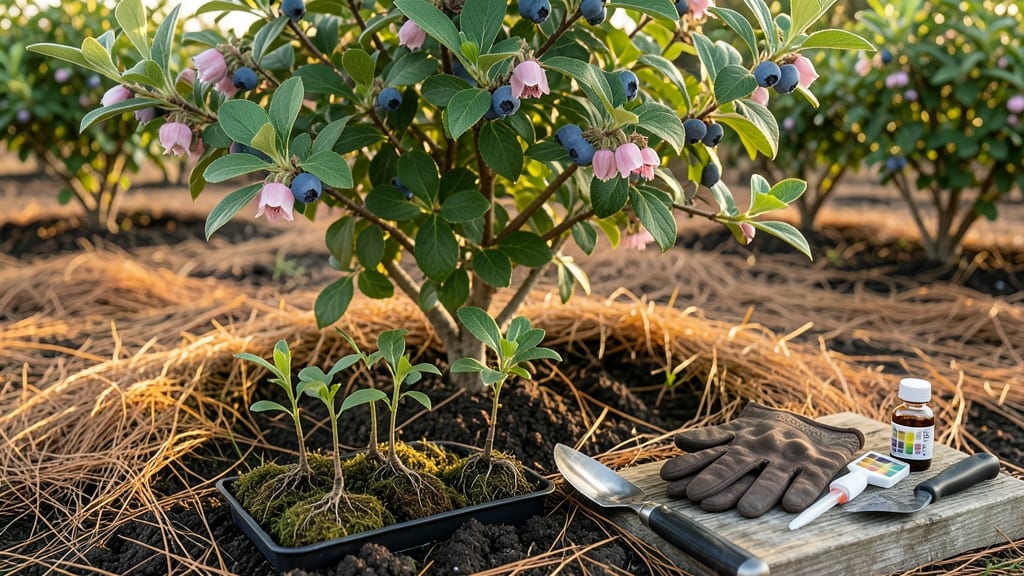
Timing your blueberry 🫐 planting in Wisconsin isn’t just about the calendar—it’s about matching your bushes to the state’s chill-hour zones, where a single misstep could mean years without sweet harvests.
Most gardeners rush planting after the last frost, but Wisconsin’s unpredictable springs (and brutal winters) demand a smarter approach. Whether you’re in Zone 4b or 5b, planting too early risks frost damage, while waiting too long cuts root establishment short.
The key? Aligning varieties with their chill-hour needs—think 800+ hours for northern bushes like Bluecrop versus 400–600 hours for southern picks like Top Hat.
In this guide, I’ll break down the two ideal windows—early spring (April) and early fall (September)—and how to prep your soil, amend for acidity, and protect young roots from Wisconsin’s wild swings. Spoiler: The best time isn’t always what you’d expect.
Let’s get your blueberries off to a thriving start—no guesswork, just data-backed timing that turns your backyard into a berry bonanza by July or August.
Wisconsin blueberry planting windows by growing Zone (chill-hour matching guide)
Wisconsin’s diverse growing zones (3A–5B) create unique challenges for blueberry growers. Unlike warmer climates, your bushes need chill hours—typically 400–1,000—to set fruit. Plant at the wrong time, and you’ll miss the sweet harvest you’re dreaming of.
I’ve broken down the best planting windows by zone, including soil prep deadlines to ensure your bushes thrive from day one.
Northern Wisconsin (Zone 3A) demands high-chill varieties like Bluecrop, while southern Wisconsin (Zone 5A) can handle lower-chill types like Top Hat. The key? Matching your variety to your zone’s chill-hour range and planting during the optimal window—either early spring (after last frost) or early fall (before hard frost).
Let’s dive into the specifics so you can pick the perfect timing for your location.
⚠️ NON-NEGOTIABLE: Always test your soil’s acidity (pH 4.5–5.5) before planting. Blueberries refuse to grow in alkaline soil, and amending it takes time. Don’t skip this step—it’s the difference between a thriving bush and a sad, yellowing plant.
Spring planting gives your blueberries 6–8 weeks to establish roots before summer heat arrives. In Zone 3A, aim for early May—after the last frost date (typically mid-April) but before soil temperatures exceed 70°F.
Fall planting, however, offers a longer root-growth window before winter. For Zone 5A, late August to early September works best, allowing roots to harden off before frost.
Soil preparation is non-negotiable. Blueberries hate alkaline soil, so work in peat moss or sulfur 2–4 weeks before planting to lower pH. In Zone 4A, for example, aim to finish soil amendments by late April if planting in May.
Pro tip: Mix in composted pine needles for extra acidity and organic matter. Your bushes will thank you with bigger yields and healthier growth.
If you’re in Zone 5B (like parts of Milwaukee or Kenosha), you can push the envelope with early spring planting—even late March works if you’re using frost cloth. But watch for late
5 Critical mistakes to avoid when planting blueberries in Wisconsin’s climate
Wisconsin’s unpredictable frost dates and acidic soil challenges make blueberry planting a high-stakes game. I’ve seen firsthand how one wrong move can turn a thriving bush into a sad, yellowing statistic. The key? Avoiding these five common mistakes that derail even the most eager gardeners.
First, let’s talk about soil pH. Blueberries are acid-loving plants that need a pH between 4.5–5.5. If your soil tests higher, your bushes will struggle to absorb nutrients, leading to stunted growth and poor berry production.
Many Wisconsin soils are naturally alkaline, so this is a non-negotiable step before planting.
⚠️ callout warning ⚠️
🚨 Critical Planting Mistakes
Impact: Nutrient lockout; bushes yellow and die within 2 years
Fix: Amend with sulfur or peat moss 3 months before planting; test soil annually.
Impact: Root shock from heat stress; poor establishment
Fix: Plant in early May (Zone 4A) or late April (Zone 5A) with frost cloth on hand.
Impact: Frost heave; root damage from freeze-thaw cycles
Fix: Apply 4–6 inches of pine straw or wood chips after first hard frost (November).
Another costly error is planting too late in the season. Many gardeners wait until after Wisconsin’s last frost date, thinking it’s safer. But by mid-May, the soil can be too warm, causing root shock and poor establishment.
Instead, aim for early May in Zone 4A or late April in Zone 5A. If you’re planting in fall, September is ideal—just make sure the ground doesn’t freeze before roots establish.
Don’t overlook the importance of mulching, especially in Wisconsin’s harsh winters. Without protection, frost heave can push roots out of the soil, damaging the plant. In northern Wisconsin (Zones 3A–4A), apply 4–6 inches of pine straw or wood chips after the first hard frost in November.
This insulating layer keeps roots stable and warm through winter.
Overwatering or underwatering can also kill your blueberries. These shrubs need consistent moisture but hate soggy soil. Water deeply once a week during dry spells, aiming for 1–2 gallons per plant.
In containers, you’ll need to water more frequently—every 3–5 days—since pots dry out faster. Always water in the morning to reduce fungal risks.
Finally, skipping soil prep is a recipe for disaster. Before planting, amend your soil with compost and sulfur to lower pH. Test your soil 3 months ahead of time—this gives you enough time to adjust if needed.
A pre-planting checklist should include: testing pH, adding amendments, and ensuring your site gets full sun (6–8 hours daily). These steps set your blueberries up for years of success.
By avoiding these five critical mistakes, you’ll give your blueberry bushes the best shot at thriving in Wisconsin’s climate. Remember, acidic soil, proper timing, and winter protection are your best friends in the Badger State! 🫐