
Plants
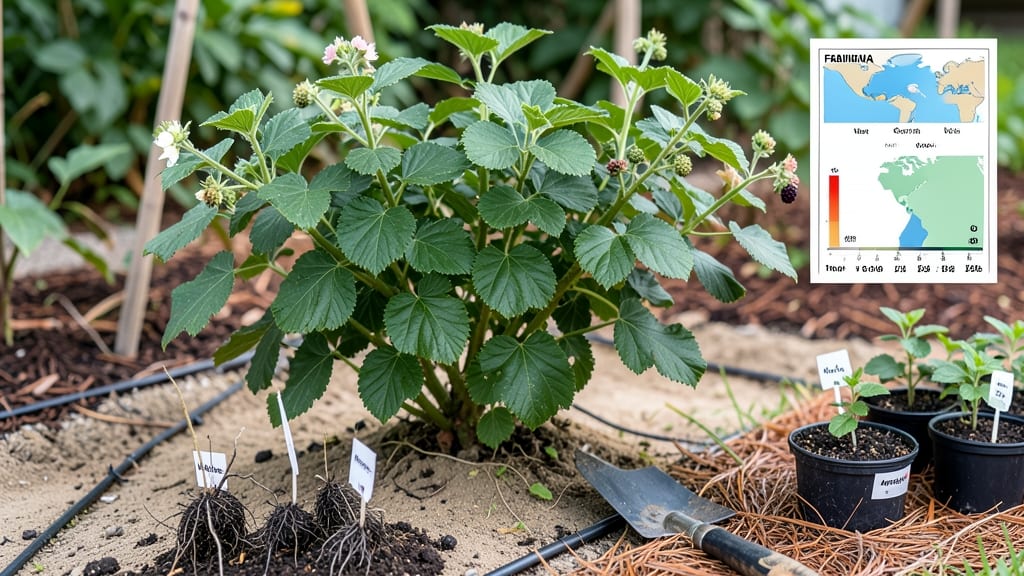
Planting blackberries in Florida isn’t just about finding the right month—it’s about outsmarting the heat, humidity, and hurricane season to give your 🫐 plants the best shot at thriving.
If you wait too long, your berries might bolt in the summer sun; plant too early, and they’ll struggle with winter’s lingering warmth. The key? Timing your blackberries for Florida’s unique microclimates—whether you’re in the frost-free zone of Miami or the slightly cooler North Florida regions.
Most Florida gardeners swear by winter planting (December through March), when soil temperatures are mild and rainfall is steady—but that’s not the only window. Fall planting (September to November) can work too, especially for heat-tolerant varieties like ‘Natchez,’ which handle Florida’s summer intensity better than others.
The trick is avoiding hurricane season (June to November) and aligning your planting with Florida’s 9a-11 heat zones to skip the stress of extreme heat or cold snaps.
Whether you’re working with bare-root canes or potted plants, the right timing makes all the difference. I’ll walk you through the exact months to plant, how to prep your soil for Florida’s sandy or clay-heavy ground, and which varieties perform best in your specific corner of the state.
No more guessing—just science-backed steps to turn your blackberry patch into a year-round berry bonanza.
Ready to dive in? Let’s break down the best planting calendar for your Florida zone, so you can enjoy juicy, homegrown blackberries from April through July—without the common mistakes that trip up even experienced gardeners.
Florida heat zones and blackberry planting windows by month
Florida’s 11 USDA heat zones (8A-10A) create dramatic differences in blackberry success. Unlike northern climates, Florida’s frost-free winters and intense summer heat demand precise planting timing. Planting in the wrong window can lead to heat shock or reduced fruiting—especially in zones 9A-10A where temperatures rarely drop below 40°F.
Your first step is identifying your exact heat zone using the USDA map. For example, North Florida (8A-9A) has cooler winters, while South Florida (10A) faces year-round heat. I’ll break down optimal planting months for each zone, including soil prep timing and variety recommendations to thrive in Florida’s extremes.
Pro Tip: Florida’s wet vs. dry seasons also impact planting. Avoid the hurricane-prone months (June-November) for bare-root plantings, as saturated soil can suffocate roots. Instead, focus on December-March for best establishment.
For zones 8A-9A, prioritize winter planting (Dec-Feb) to take advantage of cooler temperatures. These areas can experience light frosts, so choose varieties like 'Arapaho' that tolerate 300-500 chilling hours.
In 9B-10A, where winters rarely drop below 40°F, spring planting (March-April) works best to avoid summer heat shock.
Soil preparation is critical in Florida’s sandy soils. Test your soil’s pH (ideal: 5.5-6.5) and amend with compost and peat moss 3 months before planting.
In South Florida (10A), add organic mulch to retain moisture during dry spells. I recommend pine bark mulch (2-3 inches) to regulate soil temperature.
One common mistake is planting bare-root blackberries in summer. The intense heat causes transplant shock, even for heat-tolerant varieties like 'Natchez'. Instead, opt for potted plants in June-July if you must plant outside the ideal window. Always water deeply after planting to encourage root establishment.
Florida’s humidity and rainfall also play a role. In North Florida (8A-9A), plant on overcast days to reduce stress. In South Florida (10A)drip irrigation to avoid fungal diseases from overhead watering. Both regions benefit from trellising to improve airflow and reduce humidity-related issues.
For extended harvests, stagger plantings by 2-3 weeks. For example, plant half your canes in January and the rest in February. This ensures continuous fruiting from April through July, even in Florida’s variable climate. Always
Step-by-step blackberry planting calendar for Florida’s wet vs. dry seasons
Florida’s distinct wet and dry seasons create unique challenges for blackberry growers. Unlike northern climates, you won’t deal with frost, but summer heat and hurricane season demand precise timing. Planting during Florida’s cooler, drier months (November–March) gives your canes time to establish roots before the heat ramps up.
Meanwhile, mulching strategies and soil amendments become your best tools for survival in the sweltering wet season.
To maximize your harvest, I recommend a two-phase planting approach: bare-root canes in winter (December–February) and potted plants in fall (September–October). This staggered schedule ensures you’re not competing with Florida’s 90°F+ soil temperatures or battling fungal diseases that thrive in humidity.
Let’s break it down month by month, including soil prep, mulching, and watering adjustments to keep your blackberries thriving year-round.
📅 Florida Blackberry Planting Calendar
-
September (Fall Prep)
Soil test and amend with 50% sand and 50% compost to improve drainage. Plant potted blackberries (like 'Natchez') in North Florida (zones 8A-9A) to avoid summer stress. -
October (Fall Planting)
Plant bare-root canes in South Florida (zones 10A-11). Apply 3-inch mulch of pine bark to retain moisture and suppress weeds. Water deeply 2x/week. -
November–February (Winter Planting)
Optimal time for bare-root planting statewide. Amend soil with aged compost and lime (pH 5.5–6.5). Mulch with straw to protect roots from cool nights. -
March (Early Spring)
Apply balanced fertilizer (10-10-10) to encourage new growth. Prune dead canes and train vines to trellises for support. Reduce watering to every 5 days as temps rise. -
April–May (Pre-Rainy Season)
Monitor for spider mites and anthracnose. Increase mulch thickness to 4 inches to insulate roots. Avoid fertilizing—focus on deep watering (1–2 gallons/plant). -
June–August (Wet Season)
No new plantings—focus on pruning and disease prevention. Use fungicide sprays (copper-based) if needed. Water morning-only to prevent fungal growth. -
September (Post-Hurricane Prep)
Repair trellises and prune damaged canes. Reapply mulch and test soil pH. Plan for fall planting in October if starting new beds.
One of the biggest mistakes Florida gardeners make is planting during hurricane season (June–November), when flooding and high winds can uproot young canes.
Instead, use this calendar to stagger plantings—for example, plant half your canes in November and the other half in January—to spread out your harvest from April through July. This also reduces stress on your plants during Florida’s peak heat months (July–September).
For soil amendments, Florida’s sandy soils often need organic matter to retain moisture. Mix in equal parts sand and compost before planting, and top-dress with aged manure in early spring.
In South Florida’s humid zones, add sulfur to lower pH if it’s creeping above 6.5. Mulching is non-negotiable—use pine bark or straw to keep roots cool and reduce evaporation during Florida’s dry season (November–April).
Finally, don’t overlook variety selection. Heat-tolerant cultivars like 'Natchez' or 'Ouachita' thrive in Florida’s climate, while 'Arapaho' (a northern variety) may struggle in South Florida’s heat.
If you’re in North Florida (zones 8A–9A), you can push the envelope with earlier plantings in September, but South Florida growers should wait until December to avoid summer stress. With this calendar, you’ll avoid the pitfalls and enjoy a bountiful blackberry harvest year after year.