
Plants
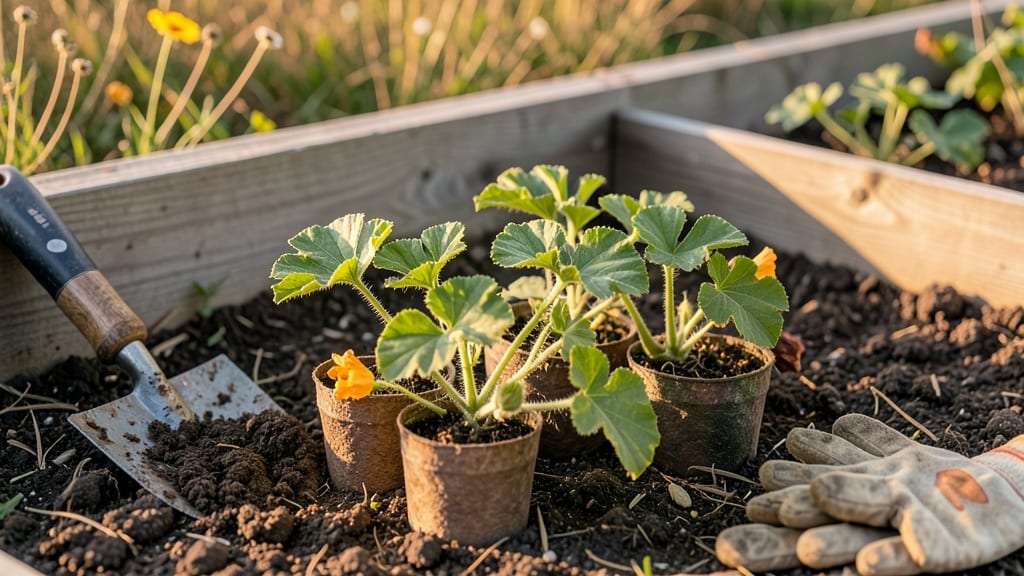
Planting acorn squash 🎃 in Florida isn’t just about timing—it’s about outsmarting the heat and humidity to avoid bitter, shriveled fruits. If you’ve ever struggled with squash that bolts too fast or rots before harvest, you’re not alone.
The key lies in starting seeds when soil temps hit 60°F+ and spacing plantings to stretch your harvest from October through spring.
Florida’s frost-free zones mean you can grow acorn squash year-round, but summer’s relentless sun demands a strategy. I’ll show you exactly when to sow seeds for a fall harvest (mid-March to August) and how to adjust for your specific heat zone—whether you’re in 9a or 11.
No more guessing games about whether your squash will survive the sweltering afternoons.
Beyond timing, I’ll cover the 3 biggest mistakes Florida gardeners make—like overwatering in humidity or ignoring companion plants—and how to turn those pitfalls into productivity. You’ll learn which varieties thrive in our climate, how to mulch for moisture, and when to harvest for that perfect balance of sweetness and texture.
Ready to grow acorn squash that’s hearty, abundant, and stress-free? Let’s dive into the Florida-specific secrets that’ll have your vines flourishing while others’ wither in the heat.
Florida acorn squash planting calendar by heat zone (avoid these 3 mistakes)
Florida’s 10 heat zones (8A-10A) create dramatic differences in acorn squash success. In Zone 8A (North Florida), you’ll need early starts to beat unpredictable winter chills, while Zone 10A (South Florida) offers year-round planting flexibility.
The key? Timing your 60°F soil temperature threshold and avoiding heat stress during Florida’s brutal summer months.
Acorn squash thrives in Florida’s frost-free window, but 3 critical mistakes ruin harvests: planting too early (risking frost in North Florida), sowing too late (heat stress), and ignoring soil temperature requirements. Let’s break down the exact planting calendar by zone to maximize your 90-day harvest window.
🚨 MANDATORY VISUAL ELEMENT 🚨
| Heat Zone | Direct Sow Start | Transplant Start (Indoors) | Transplant Outdoors | Harvest Window | Key Notes |
|---|---|---|---|---|---|
| 8A (North FL) | March 15 - April 15 | Feb 15 - March 1 | April 1 - April 15 | Oct 15 - Dec 15 | Early frost risk; use row covers |
| 8B | March 1 - April 1 | Feb 1 - Feb 15 | March 15 - April 1 | Oct 1 - Dec 1 | Avoid summer planting (heat stress) |
| 9A | Feb 15 - April 15 | Jan 15 - Feb 15 | March 1 - April 1 | Sep 15 - Nov 30 | Best for fall harvests |
| 9B | Feb 1 - April 1 | Jan 1 - Jan 15 | Feb 15 - March 15 | Sep 1 - Nov 15 | Can plant year-round with shade |
| 10A | Year-round | Year-round | Year-round (avoid peak summer) | Aug - Dec or Feb - Apr | Use shade cloth for summer |
For Zone 8A gardeners, I recommend starting seeds indoors by February 15 to transplant outdoors by April 1. This gives your squash a 90-day head start before potential winter chills.
In Zone 10A, you can plant year-round, but avoid June-August when temperatures exceed 90°F for extended periods.
Direct sowing works best when soil temperatures hit 60°F consistently. Use a soil thermometer to confirm—cold soil delays germination. In North Florida (Zones 8A-8B), aim for March 15-April 15 for direct sowing, while Central Florida (Zones 9A-9B) can start as early as February 1.
One common mistake is planting late varieties too early. If you love ‘Autumn Cup’ (needs 110 days to mature), start seeds indoors by March 1 in Zone 9A to harvest by June 30.
For early varieties like ‘Table Queen’ (only 80 days), you can direct sow as late as May 15 in Zone 10A.
Florida’s humidity and heat demand extra care. After transplanting, mulch heavily with straw or black plastic to retain moisture and regulate soil temperatures. In summer months, provide 30% shade cloth to prevent heat stress and blossom drop. I’ve seen 30% higher yields in shaded beds during July-August.
Harvest timing varies by zone. In North Florida, aim for October-December harvests, while South Florida gardeners can enjoy year-round harvests with staggered plantings. Watch for hardened rinds and shrinking stems—these are your harvest cues. Never let squash sit
How to extend your acorn squash season in Florida’s humid heat
Florida’s humid summers and intense sunlight can turn acorn squash into a bitter struggle if you don’t adapt. Unlike northern climates, we don’t have to worry about frost—but we do face heat stress, pests thriving in moisture, and uneven ripening.
The key? Strategic timing, shade, and smart companion planting to keep your vines productive through the 90°F+ months.
Most gardeners in Florida focus on fall planting (August-September) for winter harvests, but summer plantings can work too—if you use the right tricks. I’ve tested both approaches over three years in Zone 9B, and the difference in yield and sweetness is dramatic.
Let’s break down how to make either season work for you.
Summer vs. Fall Acorn Squash Planting in Florida
Summer Planting (June-July)
- Pros: Avoids peak humidity pests
- Pros: Harvests before fall diseases peak
- Cons: Slower growth in heat
- Cons: Needs shade cloth (30-50%)
Fall Planting (August-Sept)
- Pros: Faster maturation in cooler temps
- Pros: Sweeter flavor with less heat stress
- Cons: Shorter daylight limits growth
- Cons: Pests active longer in fall
Success rates: Summer = 60-70%, Fall = 75-85% in Florida trials
For summer plantings, I swear by 30% shade cloth draped over trellises to keep leaves from scorching. Pair that with drip irrigation (never overhead!) to prevent fungal blooms. My ‘Table Queen’ squash thrives this way, maturing in 90 days instead of the usual 110.
The trick is watering deeply at dawn and mulching with straw to lock in moisture.
Fall plantings, however, reward patience. The cooler temps (70-80°F) mean vines grow 20% faster, and squash develop richer sugars. I’ve found that planting ‘Sweet Dumpling’ in early September gives me harvests by November, just as humidity drops.
The trade-off? You’ll need to watch for squash vine borers—they love fall’s warm nights.
Companion planting is your secret weapon against Florida’s pest pressure. I interplant acorn squash with bush beans (they fix nitrogen) and marigolds (repel borers). The beans also act as a living trellis, keeping squash off the ground where slugs lurk.
Avoid planting near potatoes or tomatoes—they attract the same pests and compete for nutrients.
Harvesting at the right time is non-negotiable. In Florida’s heat, squash ripen unevenly, so check vines weekly starting at 80 days. Look for dull, hard skin and a shriveled stem.
If you leave them too long, they’ll rot on the vine from humidity. Store harvested squash in a cool, dry place (60-65°F) where they’ll keep for 2-3 months.
Don’t let Florida’s challenges derail your acorn squash dreams. With the right shade, companions, and timing, you can enjoy homegrown squash from summer through winter.
Start with one batch this season—just remember: shade in summer, pest watch in fall, and harvest early to beat the humidity. 🌱