
Plants
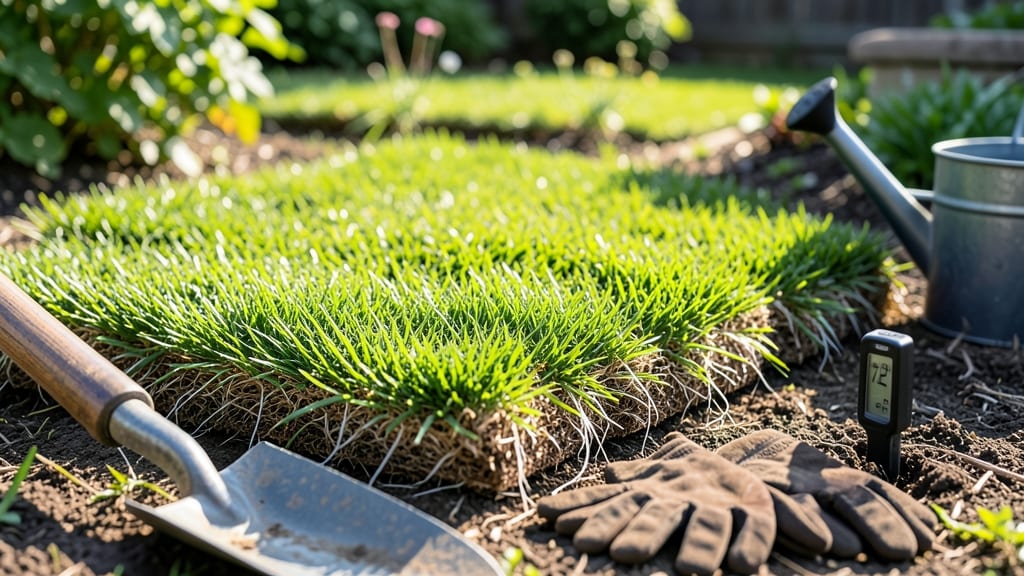
Planting Bermuda grass sod in Georgia at the wrong time can leave you staring at a lawn that turns brown before it even gets a chance to green up.
The key to a lush, heat-resistant yard starts with timing—specifically, getting it in the ground before Memorial Day, when summer’s brutal heat kicks into high gear.
Most Georgia homeowners swear by early spring as the sweet spot for Bermuda grass 🌱—typically between March and April—when soil temperatures hit that magic 65°F threshold. This window gives your sod roots a fighting chance to establish before the dog days of summer stress them out.
But here’s the catch: Northern Georgia’s cooler microclimates (think Zone 7b) might buy you an extra week or two, while southern regions (like Zone 8b) need to act fast.
Late summer can work too, but that’s a riskier play—we’ll break down why spring is the safer bet for most yards.
Ready to avoid the "brown thumb" trap? I’ll walk you through exactly how to read your soil’s cues, adjust for your specific corner of Georgia, and keep your new sod thriving once it’s down. Let’s get started.
Optimal planting windows for Bermuda grass sod in Georgia’s climate zones
Georgia’s USDA zones 8b-9a create a unique challenge for Bermuda grass sod—too early and frost threatens tender roots, too late and summer’s 90°F+ heat stresses new plants. The sweet spot? Early spring when soil warms but before June’s brutal heat sets in.
Let’s break down the perfect planting windows by region to ensure your sod thrives from Atlanta to Savannah.
Bermuda grass demands consistent warmth to establish roots, but Georgia’s variable microclimates mean timing differs by 1-2 weeks between northern and southern zones. In Zone 8b (north), aim for late March to mid-April when soil hits 65°F+.
Southern Zone 9a areas can start 2-3 weeks earlier (early March) thanks to milder winters. Fall planting is risky—only attempt it in late August to early September for a second-chance window.
Soil temperature is your #1 guide. Use a soil thermometer to confirm 65°F+ at 4-inch depth—cold soil = stalled growth. Rainfall patterns matter too: Georgia’s April showers help hydration, but May droughts can stress new sod. Plan for 1-2 weeks of consistent moisture post-planting, especially in urban heat islands where pavement raises temperatures.
Elevation plays a role: Higher areas (like Blue Ridge foothills) may need 2-week delays compared to coastal plains. Urban lawns often heat up faster—test soil in full sun areas first. Pro tip: Roll out sod on a cloudy day to reduce transplant shock from midday heat.
For northern Georgia (e.g., Dahlonega, Gainesville), wait until after April 15 to avoid late frost damage.
Southern areas like Savannah or Brunswick can plant as early as February 28 if soil is warm. Urban heat islands (e.g., Downtown Atlanta) may need 1-2 week delays—test soil temps in shady spots first to gauge readiness.
Late planting risks include heat stress, where sod burns at 95°F+ ground temps. Root establishment slows dramatically above 85°F, so avoid planting after May 15 in most zones. Fall replanting is possible but requires aggressive watering to beat September’s humidity and hurricane season risks.
Pro move: Prep soil 2-3 weeks early by tilling in compost and leveling the ground. Aerate compacted clay (common in middle GeorgiaMow high (3-4 inches) during establishment to shade roots and retain moisture.
Planting Bermuda grass sod too early or too late in Georgia’s unpredictable spring weather can leave your lawn struggling—even with perfect sod quality. The key to success lies in soil temperature, moisture balance, and avoiding common timing mistakes that derail growth before roots establish. Let’s break down the critical signs your soil is primed for Bermuda grass, so you can avoid the "crispy lawn" syndrome that plagues Georgia gardeners every year. First, soil temperature is the #1 factor. Bermuda grass roots need soil that’s consistently 65°F or warmer to thrive. In Georgia, this typically means waiting until mid-to-late March in southern regions or April in northern areas. A frozen or chilly soil will shock the sod’s roots, leaving them vulnerable to disease and poor establishment. You can test soil temp with a simple soil thermometer—insert it 4 inches deep and wait 10 minutes for an accurate reading. Next, check for ideal moisture levels. Bermuda sod needs soil that’s damp but not soggy—like a wrung-out sponge. Press your finger 1-2 inches into the soil; if it feels dry, water deeply until moisture reaches 4-6 inches down. Overwatering now is just as harmful as underwatering, as it can suffocate roots and invite fungal issues. Aim for 1/2 inch of water per week once established, but adjust based on rainfall. ⚠️ callout warning
Another tell-tale sign your soil is ready? The presence of earthworms. Healthy, active worms indicate well-aerated, nutrient-rich soil—perfect for Bermuda grass. If you spot them while prepping your bed, you’re on the right track. Also, look for damp but crumbly soil that holds its shape briefly when squeezed but breaks apart easily. This texture ensures your sod won’t suffocate. Common mistakes Georgia gardeners make include planting after Memorial Day (when summer heat stress peaks) or skipping soil prep. Before laying sod, till the top 6 inches of soil to loosen compaction, then mix in compost or aged manure for nutrients. Bermuda grass is aggressive and drought-tolerant, but it still needs a fertile foundation to take off quickly. Finally, time your planting with Georgia’s rainfall patterns. Aim for a window with predictable showers (like late April) to reduce your watering workload. If you’re in Zone 8b or warmer, you can also consider late summer planting (August-September), but this requires extra vigilance against weeds and heat stress. Always roll out sod on a cool, overcast day to minimize shock. By watching for these soil readiness signs—warmth, moisture, worm activity, and proper texture—you’ll give your Bermuda grass sod the best possible start. Skip the guesswork, and you’ll be enjoying a thick, green lawn by summer’s end, not fighting a battle against brown patches. 🌱Critical signs your soil is ready for Bermuda grass sod (and when to wait)
⚠️ Don’t Fall for These 3 Timing Traps!