
Plants
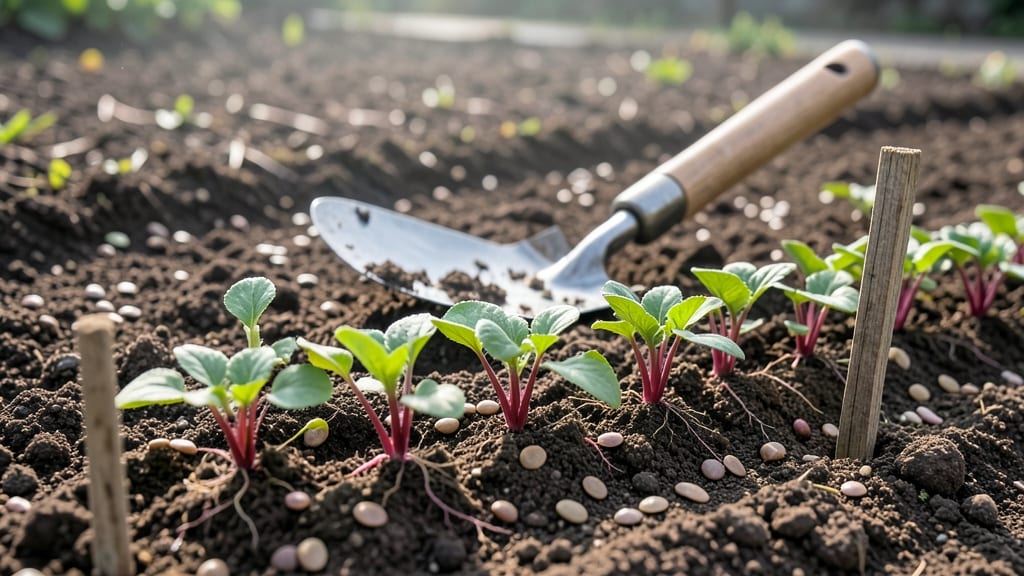
Planting beets in Zone 7b at the wrong time can turn your crisp, sweet harvests into tough, woody disappointments—and most gardeners get the timing wrong.
The key isn’t just knowing when to plant, but understanding how your local climate plays tricks on your beet seeds, especially around those tricky last frost dates.
In Zone 7b, where frost typically lingers until mid-April, timing your 🍠 beet plantings 4–6 weeks before that final frost is the sweet spot for spring harvests. But here’s the catch: if you wait too late, summer’s heat will send your beets bolting before you’ve even pulled a single root.
And if you plant too early? Frost can turn your seedlings into sad, stunted messes.
What if I told you there’s a way to stretch your beet harvests from spring through fall in Zone 7b? It’s all about succession planting and a few smart tricks to protect your crops from both early frosts and late-season heat.
Let me show you exactly how to make it work—so you’re pulling tender beets from May through October, no matter what Mother Nature throws your way.
From soil prep secrets to the best beet varieties for Zone 7b’s climate, we’ll cover everything you need to know to turn your garden into a beet-growing powerhouse. Ready to dig in?
Optimal planting weeks before last frost in Zone 7b for beet success
In Zone 7b, where last frost typically arrives around March 15, planting beets 4–6 weeks before your average last frost date maximizes tender harvests. This window—roughly February 15–March 1—aligns with soil temperatures of 45–50°F, ideal for seed germination without frost damage.
Missing this timing risks woody roots or frost-killed seedlings.
Beets thrive in cool-season conditions, making spring and fall the best planting windows. In Zone 7b, aim for two main plantings: early spring (February–March) and late summer (July–August) for fall harvests.
Fall plantings should occur 8–10 weeks before first frost (around October 15) to ensure maturity before cold sets in.
Soil temperature is your best indicator—wait until the ground reaches 50°F at a 4-inch depth. Use a soil thermometer to avoid planting too early, which can lead to slow germination or rot. In my garden, I’ve found that planting 2–3 weeks after the first consistent 50°F reading delivers the most reliable results.
Here’s a data-backed comparison of early vs. late planting risks in Zone 7b, including harvest timing and potential pitfalls:
| Planting Window | Weeks Before Last Frost | Soil Temp Threshold | Harvest Window | Key Risks |
|---|---|---|---|---|
| Early Spring | 4–6 weeks | 45–50°F | May–July | Frost damage if planted too early; bolting if temps rise too fast. |
| Late Summer | 8–10 weeks before first frost | 55–60°F | September–October | Slow growth in cool soil; small roots if planted too late. |
To calculate your last frost date, use the USDA Plant Hardiness Zone Map and local weather averages. In Zone 7b, most gardeners experience their last frost between March 10–20.
For precision, check Almanac.com or your local Cooperative Extension Service for microclimate adjustments—urban areas often frost later than rural zones.
For successive harvests, I recommend planting new seeds every 2–3 weeks from February through July. This ensures a steady supply of tender beets before summer heat triggers bolting. In my experience, Detroit Dark Red and Golden Beets handle Zone 7b’s heat better than standard varieties, staying sweet longer.
If you’re unsure about your frost dates, use row covers or cold frames to extend early plantings by 2–3 weeks. These low-tech tools protect seedlings from late frosts while maintaining optimal soil warmth. Just remove covers once true leaves emerge to prevent overheating.
In Zone 7b’s summer heat, avoid planting beets after mid-July unless you’re growing heat-tolerant varieties. Temperatures above 85°F cause beets to bolt prematurely, turning roots woody and bitter. Instead, focus on fall plantings for your second harvest window.
Pro tip: Test your soil pH before planting—beets prefer 6.0–7.0. Amend with compost or well-rotted manure to improve drainage, as soggy soil leads to forked or misshapen roots. I always add a 1-inch layer of compost to my planting rows for consistent results.
By following these Zone 7b-specific guidelines, you’ll enjoy crisp, sweet beets from early summer through fall—no tough, fibrous surprises here! 🌿
How to extend your beet growing season in Zone 7b: succession planting & cold protection
Zone 7b gardeners know the struggle—beets bolt in summer heat or rot in fall frost. The secret to continuous harvests? Succession planting paired with low-tech cold protection. By spacing out plantings every 2–3 weeks, you’ll avoid bolting while ensuring fresh beets from spring through fall.
Even better, these methods work with minimal tools and budget-friendly supplies.
Start with early spring plantings 4–6 weeks before your last frost date (typically mid-March in Zone 7b). Then, repeat plantings every 2–3 weeks until mid-July to avoid summer bolting.
For fall harvests, your last planting window is late July to early August, giving roots time to mature before first frost (mid-November). The key? Adjusting for heat and cold without fancy equipment.
📋 Zone 7b Beet Planting Checklist
- 1 Plant first batch 4–6 weeks before last frost (mid-March).
- 2 Repeat plantings every 2–3 weeks until mid-July.
- 3 Use row covers for spring/fall plantings to protect from light frost (28°F).
- 4 Shade cloth (30–50%) for summer plantings to prevent bolting.
- 5 Harvest before roots exceed 3 inches in diameter for sweetness.
For spring and fall plantings, row covers are your best friend. Lightweight fabric (like frost blankets) protects seedlings from light frosts (28°F) while allowing sunlight and water to penetrate. In late summer, switch to shade cloth (30–50%) to keep soil temperatures cool and prevent bolting.
Even a simple DIY cloche (plastic bottle with the bottom cut out) works in a pinch for individual plants.
Watering strategy is just as critical. Beets need 1 inch of water per week, but deep, infrequent watering encourages root growth. In summer heat, water early in the morning to reduce evaporation and stress. Mulch with straw or grass clippings to retain moisture and keep roots cool. This simple step can double your harvest by preventing bolting during heatwaves.
Don’t forget fall extensions! If your first frost hits in November, you can still harvest beets by planting a final batch in late July. Use row covers to protect them until December, when roots will be sweeter after a light frost.
For overwintering, mulch heavily with straw or leaves to insulate the soil. Many gardeners in Zone 7b report successful harvests into January with this method.
Pro tip: Thin seedlings early to avoid competition. Beets need 3–4 inches of space to grow properly. If you’re short on space, try container growing—just ensure pots are at least 6 inches deep and use well-draining soil.
With these adjustments, you’ll enjoy fresh, homegrown beets for nearly 6 months in Zone 7b.