
Plants
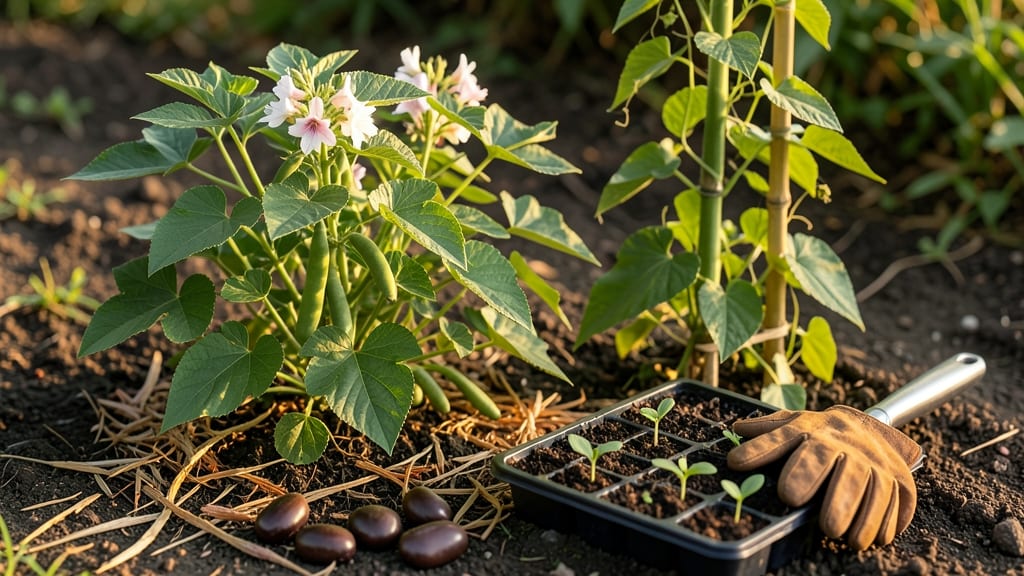
Planting beans in Oklahoma at the wrong time can mean the difference between a bountiful harvest and wasted effort—especially when unpredictable spring frosts or scorching summer heat threaten your 🌱 crops.
If you've ever wondered why some gardeners in USDA zones 6b-8a pull in 50% more beans than others, the answer lies in precise timing. The key isn't just knowing when to plant—it's understanding how Oklahoma's unique climate demands different strategies for spring and fall plantings.
I'll show you exactly when to sow your seeds—down to the week—for both bush and pole varieties—plus how to stretch your harvest into October with fall planting hacks tailored to Oklahoma's shorter growing season.
Ready to avoid common mistakes like planting too early (and losing seedlings to frost) or too late (and watching beans bolt in the heat)? Let's get your beans growing strong.
Oklahoma bean planting calendar: exact weeks before last frost by variety
Oklahoma’s last frost dates vary dramatically between northern (USDA Zone 6b) and southern (Zone 8a) regions—sometimes by 3+ weeks. For example, Tulsa’s average last frost is March 25, while Oklahoma City’s is March 15, and Lawton’s can be as late as April 1.
These differences mean your green beans or lima beans could face frost damage if planted too early in northern areas but thrive in southern Oklahoma’s longer growing season. Let’s break down the exact weeks before last frost for each variety to maximize your harvest.
Most bean varieties in Oklahoma need 60-70°F soil temperatures to germinate properly. Green beans and snap peas are the most frost-sensitive, while lima beans (especially large-seeded types) handle slightly cooler soil.
Planting too early—even just 1-2 weeks before your region’s last frost—can leave seedlings vulnerable to black rot or stunted growth. The key is to use microclimate adjustments: if you’re in a low-lying area, wait an extra week compared to higher elevations.
For spring planting, aim to have your beans established and flowering 2-3 weeks before Oklahoma’s peak heat (typically late May). This timing ensures you avoid blossom drop from sudden heat spikes, which can reduce your yield by up to 40%.
In fall plantings, focus on varieties with shorter maturity times (like ‘Contender’ green beans) to harvest before the first frost hits in mid-November.
| Variety | Spring Planting (Weeks Before Last Frost) | Fall Planting (Weeks Before First Frost) | Soil Temp Requirement | Notes |
|---|---|---|---|---|
| Green Beans (Bush) | 4-6 weeks | 8-10 weeks (Zone 6b) / 10-12 weeks (Zone 8a) | 60°F+ | Fastest to mature; ideal for succession planting. |
| Green Beans (Pole) | 3-5 weeks | 9-11 weeks (Zone 6b) / 11-13 weeks (Zone 8a) | 65°F+ | Longer harvest window; needs trellis support. |
| Lima Beans (Bush) | 6-8 weeks | 10-12 weeks (Zone 6b) / 12-14 weeks (Zone 8a) | 70°F+ | Heat-tolerant; prefers well-drained soil. |
| Snap Peas | 2-4 weeks (cold-hardy) | N/A (fall planting not recommended) | 50°F+ | Tolerates light frosts; harvest before pods toughen. |
| Wax Beans | 5-7 weeks | 9-11 weeks (Zone 6b) | 60°F+ | Sweet flavor; plant in partial shade for southern Oklahoma. |
In northern Oklahoma (Zones 6b-7a), where frosts linger longer, start green beans 4-6 weeks before your last frost date. For example, if your last frost is March 25, plant by February 25.
However, use row covers if temperatures dip below 40°F at night. Lima beans, which need warmer soil, should wait until 6-8 weeks before last frost—so if your frost date is March 25, aim for February 5 planting.
This delay ensures their large seeds germinate properly in Oklahoma’s clay-heavy soils.
For southern Oklahoma (Zones 7b-8a), where the growing season stretches longer, you can
Signs Oklahoma’s soil and weather are Finally Ready for Bean Planting
Oklahoma’s spring weather can swing wildly from freezing nights to 90-degree days in just weeks, making it tricky to know when to plant beans. Unlike cool-season crops, beans need warm soil (at least 70°F) to germinate properly.
Waiting for the right conditions prevents stunted growth or seed rot—two common mistakes in our variable climate.
Before grabbing your bean seeds, check the 10-day forecast for stable temperatures above 60°F at night. Even a single frost warning can devastate young seedlings, so don’t rush planting just because the calendar says "spring." Patience here means healthier plants and a bigger harvest later.
⚠️ callout warning
- Cold soil (<60°F) = seeds rot underground
- Late planting (after June) = heat stress, fewer pods
- Ignoring forecasts = frost damage to tender sprouts
Test your soil’s readiness by pressing your finger 2 inches deep. If it feels dry but crumbly (not sticky), it’s ideal for beans. Oklahoma’s clay-heavy soil drains poorly when wet, so add compost or sand to improve aeration.
A quick permeability test—pour water on a patch and time how long it drains—helps avoid waterlogged roots.
Pay attention to humidity levels too. High humidity after planting can encourage fungal diseases like rust or powdery mildew. If the forecast shows 70%+ humidity for 3+ days, consider waiting or using fungicide dust on seeds before sowing. This is especially critical in southern Oklahoma’s muggy springs.
For pole beans, wait until after the last frost date (typically mid-April in central OK, later in northern zones). Bush beans are slightly more forgiving but still need consistent warmth.
If you’re unsure, plant a test row of fast-maturing varieties (like Blue Lake) to gauge your soil’s readiness without committing your entire garden.
Once all signs align—warm soil, stable forecasts, and well-draining beds—your beans will sprout in 7-10 days. Mark your calendar for succession planting every 2 weeks to stretch your harvest through summer’s heat.
With Oklahoma’s short growing season, timing is your secret weapon for a bountiful crop!