
Plants
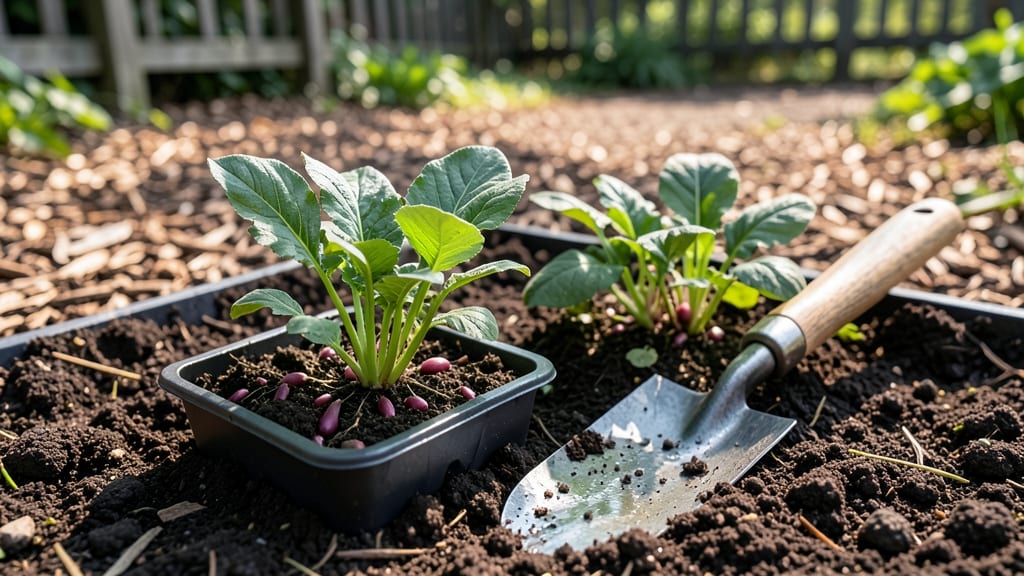
Planting beets at the wrong time in Zone 7a can turn your 🍠 harvest into bitter, woody messes—or worse, have them bolt before you even get to enjoy them. The key to sweet, tender roots lies in understanding your local frost dates and soil temperatures, not just the calendar.
I’ve learned the hard way that beets planted too early in cold soil or too late in scorching heat won’t give you the harvest you’re dreaming of.
Whether you’re a first-time gardener or a seasoned green thumb, getting the timing right in Zone 7a means knowing when to start seeds in early spring or late summer for the best results.
In this guide, I’ll break down the exact months to plant your beets, how to prepare your soil for success, and even how to stretch your harvest season without risking bolting. No more guessing—just actionable tips to grow beets that are perfect for roasting, salads, or pickling.
Ready to turn your garden into a beet bonanza? Let’s dive into the month-specific tricks that’ll have you harvesting all season long.
Optimal planting windows for beets in Zone 7a: month-by-month breakdown
In Zone 7a, beets thrive when planted during two key windows: early spring and late summer. These timing strategies prevent bolting (premature flowering) and ensure sweet, tender roots. The last frost date (around March 15) and first frost date (November 15) frame your planting schedule.
Let’s break down the best months and their specific requirements to maximize your harvest.
Beets are cool-season crops, meaning they prefer soil temperatures between 50°F and 70°F. Planting too early or too late can stress your plants, leading to bitter roots or premature bolting.
For Zone 7a, the ideal planting windows are March-April for spring and July-August for fall. Each window requires slightly different care to keep your beets happy and productive.
For spring planting, start seeds indoors 4-6 weeks before your last frost date (around February 15 for Zone 7a). Transplant seedlings or direct sow seeds once soil temperatures reach 50°F.
Use row covers to protect young plants from late frosts, which can stunt growth. This method ensures your beets get a head start and avoids the shock of sudden temperature swings.
If you’re planting in late summer, focus on July-August sowings. Beets planted too late in summer may bolt due to longer daylight hours and warmer soil temperatures.
To mitigate this, choose fast-maturing varieties (like 'Early Wonder') and provide afternoon shade using shade cloth. This keeps soil temps cooler and reduces stress on your plants.
Don’t overlook fall planting, which can yield a second harvest before winter sets in. Sow seeds in September, about 6-8 weeks before your first frost. Opt for cold-hardy varieties like 'Golden' or 'Chioggia', which tolerate cooler temperatures.
Mulch heavily with straw or leaves to insulate roots and extend the harvest window into late fall.
When planting, always follow these spacing guidelines: sow seeds ½ inch deep and 1-2 inches apart. Once seedlings reach 2 inches tall, thin them to 2-3 inches apart to prevent overcrowding. Proper spacing ensures even growth and reduces competition for nutrients, leading to sweeter, more tender roots.
Monitor your beets closely for signs of bolting, which is triggered by heat stress or long daylight exposure. If you notice flower stalks emerging, harvest the roots immediately or shade the plants to cool the soil.
Regular mulching and consistent watering (1 inch per week) help maintain ideal growing conditions and prevent bolting.
In Zone 7a, you can also try succession planting every 2-3 weeks during your ideal windows to ensure a continuous harvest. For example, sow a new batch in early March, then again in mid-April, and once more in early July.
This staggered approach guarantees fresh beets from June through November, giving you a steady supply for salads, roasting, and pickling.
Finally, always prepare your soil before planting. Beets prefer loose, well-draining soil with a pH between 6.0 and 7.0. Amend your soil with compost or aged manure before sowing to provide essential nutrients.
Avoid fresh manure, which can cause nitrogen burns and stunt growth. With the right timing and soil prep, your beets will thrive all season long.
With these month-by-month strategies, you’ll avoid the pitfalls of bolting and woody roots while enjoying a bounty of sweet, tender beets straight from your garden. Happy planting! 🥕🌱
How to extend your beet harvest season without risking bolting
Beets are a garden workhorse, but their harvest window in Zone 7a can feel disappointingly short if you don't plan ahead. The key to continuous production lies in strategic succession planting and protecting your crop from heat-induced bolting.
With just a few adjustments, you can enjoy fresh beets from late spring through fall—without sacrificing quality or flavor.
Bolting happens when beets sense long daylight hours or heat stress, triggering them to flower instead of growing sweet roots. In Zone 7a, this typically starts in late May or June if planted too early.
The solution? Staggered plantings every 2-3 weeks and use row covers to shield seedlings from extreme heat. This method ensures you always have young, tender beets ready for harvest.
🌱 Numbered Highlights: Zone 7a Beet Planting Schedule
- First Planting: Early March (soil temps 50°F+) – Harvest: June
- Second Planting: Mid-April – Harvest: July (use row covers if hot)
- Third Planting: Late July – Harvest: September-October (choose bolting-resistant varieties)
- Fourth Planting: Early August – Harvest: October-November (protect from early frost)
Spacing Tip: Plant each 2-3 weeks apart in 12-inch rows to avoid overcrowding and ensure even growth.
To calculate your ideal planting intervals, start with your first frost date (typically mid-November in Zone 7a) and work backward. Beets take 50-70 days to mature, so aim for 3-4 plantings spaced 3 weeks apart.
For example, if your first harvest is in June, your last planting should be in early August to avoid bolting before frost.
For late-summer plantings, choose bolting-resistant varieties like 'Detroit Dark Red' or 'Golden', which handle heat better. Always thin seedlings to 2-3 inches apart—crowded beets develop small, misshapen roots. Mulch with straw or grass clippings to retain moisture and keep soil temps stable, reducing bolting risks.
When daylight hours exceed 14 (around late June in Zone 7a), use 30% shade cloth to lower soil temps by 10-15°F. This simple trick can delay bolting by 2-3 weeks, giving you more time to harvest.
Water deeply in the morning to encourage root growth and avoid stress. With these methods, you’ll enjoy homegrown beets for 4+ months—no bitter surprises!
Pro tip: Save seeds from your healthiest beets for next year’s fall plantings. Store them in a cool, dry place and sow them 6-8 weeks before your first frost for a winter harvest. Just remember—never let soil temps drop below 40°F when planting, or germination will stall.