
Plants
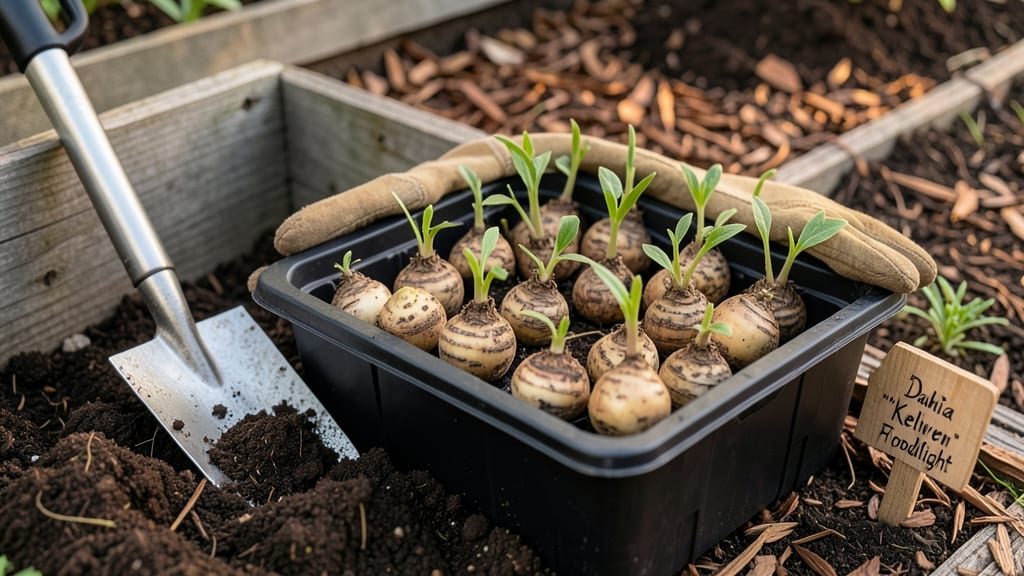
Planting dahlias in Zone 8b at the wrong time could mean missed blooms or frost-damaged tubers—both heartbreaking for any gardener. The key to lush, showstopping 🌼 dahlias lies in timing soil warmth and last frost dates just right, especially when you're working with March-April windows.
I’ve learned the hard way that rushing these tender tubers into cold soil or waiting too long can shorten your bloom season dramatically. Whether you’re a first-time gardener or a seasoned pro, getting this right ensures your dahlias thrive from summer through fall.
Let’s break down the exact schedule—and the three mistakes that could ruin your harvest.
Zone 8b’s mild winters and long growing season give you a 4-6 week window to plant, but microclimates (like coastal vs. inland areas) can shift that timeline by weeks. We’ll cover how to prep your tubers, choose the right varieties, and keep them blooming until the first frost.
By the end, you’ll know exactly when to plant, how deep to bury those tubers, and the simple care routine that turns average dahlias into garden stars. Ready to grow dahlias that steal the show?
Optimal planting timeline for dahlias in Zone 8b (with frost dates)
In Zone 8b, where winters are mild but frost can still sneak in, timing your dahlia tubers correctly is the difference between a showstopping summer display and a wasted investment.
The average last frost date hovers around February 15, but microclimates—especially in coastal areas like Southern California—can push this back to March 1.
Plant too early, and your tubers may rot in cold, wet soil; too late, and you’ll miss out on peak bloom season from July to October.
Dahlias need warm soil (60°F/15°C) to sprout, which typically aligns with late March to early April in most of Zone 8b. Early varieties like 'Café au Lait' can handle slightly cooler soils, while heat-loving 'Galaxy' types thrive when planted in warmer April conditions.
Soil temperature is more critical than air temperature—test it with a soil thermometer to avoid guesswork.
Why timing matters: Dahlias establish roots slowly. Planting 4–6 weeks before your last frost gives tubers time to root before summer heat arrives. Late plantings (after April 15) may still produce blooms, but your plants will be smaller and less vigorous, with fewer flowers. In humid areas like Georgia’s coastal regions, early planting also reduces fungal risks like powdery mildew.
| Stage | Action | Soil Temp | Zone 8b Window | Notes |
|---|---|---|---|---|
| Prepare Tubers | Cut back previous year’s growth, treat for rot, and soak in fungicide. | N/A | February 1–15 | Prevents early rot in damp soil. |
| Early Planting (Risky) | Plant in cooler microclimates (e.g., high elevations). | 50–55°F (10–13°C) | Late February (coastal areas) | Use row covers for frost protection. |
| Optimal Planting | Plant tubers 4–6 inches deep, 18–24" apart. | 60–65°F (15–18°C) | March 15–April 15 | Best for full bloom season. |
| Late Planting (Reduced Blooms) | Plant after April 15 only for short-season varieties. | 65°F+ (18°C+) | April 16–May 1 | Expect smaller plants and fewer flowers. |
| Post-Planting Care | Mulch heavily, water deeply, and fertilize with high-phosphorus mix. | 65°F+ (18°C+) | April–October | Encourages root and bloom growth. |
For Zone 8b gardeners, the March 15–April 15 window is your sweet spot. This aligns with soil warming trends and gives dahlias enough time to establish roots before summer heat peaks.
If you’re in a cooler microclimate (e.g., higher elevations in Texas Hill Country), you might push planting to early April to avoid spring frost risks. Conversely, in hotter inland areas like Central Florida, planting by March 1 ensures tubers don’t bake in 90°F+ soil.
Pro tip: Use black plastic mulch to warm soil faster if you’re planting early. This raises soil temperature by 5–10°F, helping tubers sprout sooner. Pair this with a drip irrigation system to maintain consistent moisture—dahlias hate soggy roots but also can’t handle drought stress.
Aim for 1–2 gallons of water per plant every 3–5 days, adjusting for rain.
Heat-tolerant varieties like 'Bishop' or 'Thomas Edison' can handle late plantings better than delicate types like 'Arabian Night'. If you miss the ideal window, don’t despair—container-growing lets you extend the season.
Plant tubers in 5-gallon pots filled with well-draining mix and move them outdoors after April 15. Containers warm up faster and give you flexibility to adjust based on weather forecasts.
Watch for false springs—those warm spells in February followed by a late frost. If your area experiences this, wait until after March 15 to plant, even if soil feels warm. A single frost event can kill emerging shoots, setting your dahlias back by weeks. Harden
3 Critical mistakes that ruin dahlia growth in Zone 8b (and how to fix them)
Dahlias are stunning but temperamental—especially in Zone 8b, where heat and humidity can stress tubers if not planted correctly. I’ve seen wilted blooms and stunted growth from three common mistakes: planting too deep, skipping soil prep, and ignoring mulch.
Fix these, and your dahlias will reward you with vibrant, long-lasting flowers all season.
First, let’s tackle the most damaging error: planting tubers too deep. Many gardeners bury dahlias 6+ inches underground to protect them, but this suffocates the eyes (growth points). The correct depth is 2–4 inches, with the eyes facing upward.
I once planted a batch 8 inches deep—they barely sprouted! Dig a shallow trench, place tubers with eyes up, and cover lightly with soil.
Next, poor soil preparation stunts root development. Dahlias crave well-draining, nutrient-rich soil with a pH of 6.0–7.0. Before planting, mix compost and aged manure into the top 12 inches of soil.
I test my soil every year—last time, my pH was 5.5, so I added lime to raise it. Without this step, your plants will struggle to absorb water and nutrients, leading to weak stems and sparse blooms.
⚠️ Late-Season Pitfall: Cutting Back Too Early
In Zone 8b, first frost arrives as early as November 15, but many gardeners panic and prune dahlias aggressively in late fall. Don’t! Cutting back before frost weakens tubers. Instead, leave foliage intact until after frost—it feeds the tubers. I learned this the hard way when my 2022 dahlias produced half the blooms the next year because I trimmed too soon. Wait until yellow leaves appear before cutting back.
Third, skipping mulch is a surefire way to invite pests and soil-borne diseases. Apply 3–4 inches of organic mulch (like straw or shredded leaves) around the base to retain moisture and regulate soil temperature.
I mulch my dahlias in early May and reapply in July—this keeps slugs away and prevents soil splashing onto leaves during rain. Without mulch, your dahlias will struggle in Zone 8b’s heat and become susceptible to rot.
Finally, overwatering is a sneaky killer. Dahlias need consistent moisture, but waterlogged soil causes root rot. Water deeply 2–3 times per week in summer, then taper off in fall.
I use a soaker hose to deliver water directly to the roots—this keeps foliage dry and reduces fungal risks. If your dahlias’ leaves yellow or wilt, check your watering routine first.
By avoiding these three mistakes, your Zone 8b dahlias will thrive. Start with shallow planting, rich soil, and protective mulch, and you’ll enjoy garden-worthy blooms from July through October. Happy gardening! 🌼