
Plants
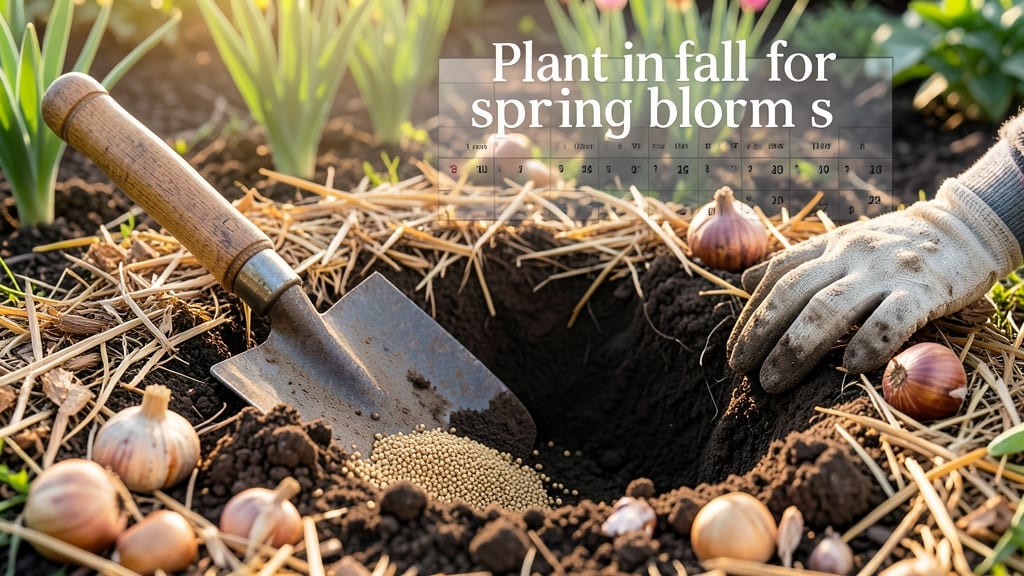
Planting bulbs at the wrong time in Zone 8 can mean the difference between a stunning spring display and wasted effort—here’s how to get it right the first time.
If you’ve ever wondered why your 🌱 bulbs (General) failed to bloom despite your best efforts, timing is likely the culprit. Zone 8’s mild winters and unpredictable frost dates make it tricky, but with the right strategy, you can ensure your bulbs thrive year after year.
Most gardeners in Zone 8 focus on fall planting, but spring offers a second chance for certain varieties. I’ll break down the ideal windows—including soil temperature triggers—and show you how to adjust for your local microclimate.
Ready to transform your garden? Discover the 3 critical mistakes that kill bulb growth and how to avoid them, so you can enjoy vibrant blooms every season without the guesswork.
Optimal planting months for spring vs fall bulbs in Zone 8
In Zone 8, where winters are mild and summers can be hot, timing is everything when planting bulbs. Unlike colder climates, you can plant both spring-flowering bulbs (like tulips and daffodils) and fall-blooming bulbs (like crocus and hyacinths)—but the windows are different.
My garden in Southern California taught me that rushing or delaying planting can mean the difference between a vibrant spring show and bulbs that never bloom. Let’s break down the exact months and soil conditions to aim for.
Most gardeners focus on fall planting for spring blooms, but Zone 8’s mild winters allow for flexibility. For example, tulips and daffodils can handle early spring planting (February-March) if fall planting is missed, while crocus and hyacinths thrive when planted in late fall (November) to avoid winter dormancy issues.
The key is understanding soil temperature triggers—bulbs need the ground to be cool (but not frozen) to root before winter.
| Bulb Type | Best Planting Window | Soil Temp Trigger | Zone 8 Adjustment | Bloom Season |
|---|---|---|---|---|
| Spring-Flowering Bulbs (Tulips, Daffodils) | October–November (Fall) OR February–March (Early Spring) | 50–60°F (10–15°C) | Extend spring window to March if fall planting is delayed | March–May |
| Fall-Blooming Bulbs (Crocus, Hyacinths, Allium) | November–December (Late Fall) | 40–50°F (4–10°C) | Plant after first frost (Dec 15) to avoid rot | October–December |
| Summer-Blooming Bulbs (Dahlia, Begonia) | March–April (After Last Frost) | 60–70°F (15–21°C) | Use black plastic mulch to warm soil faster | June–August |
| Perennial Bulbs (Lily, Fritillary) | October–November (Fall) | 55–65°F (13–18°C) | Avoid planting in heavy clay soils | May–July |
For spring-flowering bulbs, aim to plant 6–8 weeks before the first frost (typically mid-October to November in Zone 8). However, if you miss this window, don’t panic—early spring planting (February–March) works too, as long as the soil is workable and frost-free.
I’ve successfully planted tulips in late February and still gotten blooms by April, though they may be slightly smaller. The secret? Ensure the soil stays consistently moist but not soggy during root establishment.
Fall-blooming bulbs like crocus and hyacinths need a slightly different approach. Plant them in late fall (November–December) when soil temps drop below 50°F (10°C). In my Zone 8a garden, this means waiting until after the first frost (usually mid-December) to avoid rot.
These bulbs thrive in cooler temps, so planting too early can trigger premature growth. A pro tip: Add a 1-inch layer of mulch after planting to insulate the soil and protect bulbs from temperature swings.
Zone 8’s mild winters can trick gardeners into thinking bulbs don’t need as much care, but soil moisture and temperature are still critical. For example, daffodils planted in December may sprout early if temps rise, only to be nipped by a late frost.
To prevent this, I plant daffodils in November and cover them with straw mulch until January. This gives them time to root without encouraging early growth. Always check your local last frost date—in Zone 8b/c, it can vary from January 15 to February 1.
If you’re in a warmer microclimate within Zone 8 (like coastal areas), adjust your timing 1–2 weeks later. For instance, San Diego gardeners often plant spring bulbs in December instead of November because the ground stays warmer longer.
Conversely, inland areas with colder winters (like Zone 8a in the Central Valley) should plant by mid-October to avoid winter dormancy issues. Use a soil thermometer to confirm temps—bulbs need 40–60°F (4–15°C) for rooting.
One common mistake I see is planting bulbs too shallowly in Zone 8’s loose, sandy soils. Most bulbs need depth equal to 2–3 times their height (e.g., a 2-inch tulip bulb should
3 Critical mistakes that kill bulb growth in Zone 8 (and how to fix them)
Zone 8 gardeners face unique challenges when planting bulbs—mild winters and unpredictable frost dates can derail even the most careful plans. I’ve seen tulips rot before they bloom and daffodils fail to return year after year because of these common mistakes.
The good news? Fixing them is simpler than you think.
First, timing is everything. Planting too early exposes bulbs to soil rot from lingering moisture, while planting too late leaves them vulnerable to winter freezes before they establish roots. In Zone 8, this window is narrower than you’d expect—just 6-8 weeks before your first frost date.
⚠️ callout warning
In Zone 8, planting fall bulbs after November 15 risks frost damage, while spring planting after March 1 often means bulbs bolt before blooming. Check your last frost date—most Zone 8 areas see it between December 15 and January 15.
💡 Pro Tip: Use a soil thermometer—ideal planting temps are 60-65°F for fall bulbs and 50-55°F for spring.
Second, soil depth is often overlooked. Planting bulbs too shallow (less than 6 inches deep) leaves them exposed to temperature swings, while burying them too deep (more than 12 inches) stunts root growth.
Most bulbs need 2-3 times their height in soil—so a 2-inch crocus bulb should go 4-6 inches deep.
Third, moisture management makes or breaks bulb success. Overwatering after planting suffocates roots, while underwatering causes them to shrivel. In Zone 8’s humid climate, well-draining soil is non-negotiable—amend heavy clay with compost or perlite to prevent rot. Water deeply once a week after planting, then taper off in winter.
To fix these issues, start by testing your soil’s drainage. Fill a jar with soil and water—if it takes more than 2 hours to drain, amend it. For timing, mark your calendar: October 15-November 15 for fall bulbs and February 15-March 15 for spring.
Finally, mulch with 2-3 inches of straw after planting to regulate moisture and temperature.
With these adjustments, your bulbs will thrive even in Zone 8’s tricky climate. I’ve revived struggling hyacinths by adjusting depth and alliums by perfecting timing—you can too! The key is patience and precision. 🌱