
Plants
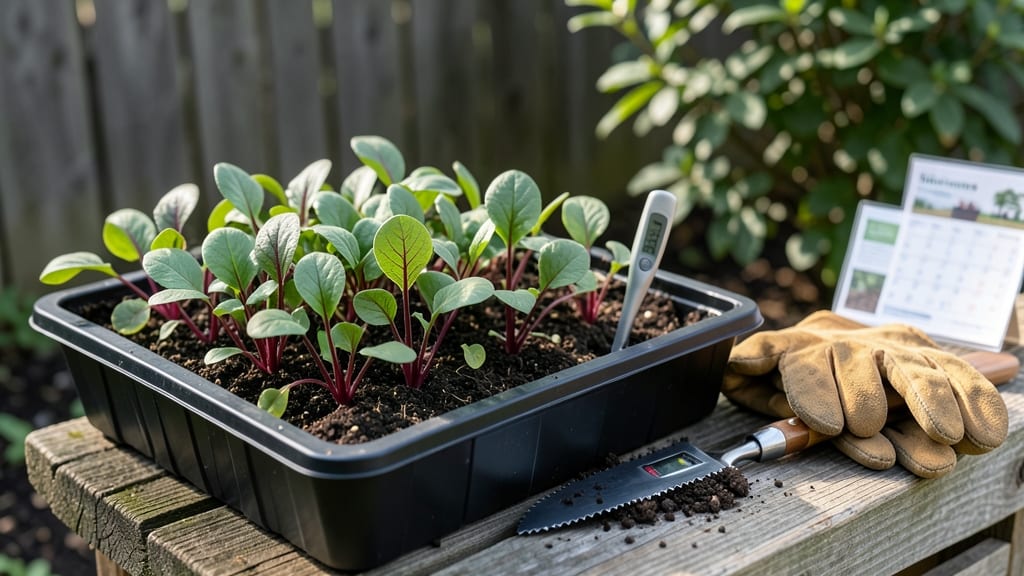
Timing your beet planting in Zone 5 can feel like solving a puzzle—get it right, and you’ll have crisp, sweet 🍠 harvests by summer. But plant too early, and your seeds will sit in cold soil, waiting for warmth that never comes.
The key isn’t just about dates; it’s about soil temperature, frost dates, and knowing when to start seeds indoors for a head start.
Most gardeners in Zone 5 focus on early spring planting, but did you know late summer is another golden window? By July, the soil has warmed enough for reliable germination, and you’ll still get a harvest before the first frost in October.
The trick is avoiding those late-May surprises when a cold snap can stall your beets before they even sprout.
I’ve learned the hard way that rushing into the garden too soon leads to disappointment. Beets need soil that’s at least 45°F to germinate well, and waiting for that threshold makes all the difference.
Whether you’re sowing directly or starting seeds indoors, this checklist will help you nail the timing—so you can enjoy homegrown beets all season long.
Ready to stop guessing and start growing? Let’s break down the exact dates, soil checks, and pro tips to ensure your beets thrive from seed to harvest. No more wasted seeds or missed opportunities—just a steady supply of those earthy, nutrient-packed roots you love.
Zone 5 beet planting timeline: ideal dates for spring and fall harvests
Timing your beet planting in Zone 5 is all about balancing soil temperatures and frost dates. Beets thrive when soil reaches 45-50°F—too cold, and seeds rot; too hot, and they bolt.
My Zone 5 garden gets last frost dates between mid-April and early May, so I plan around these windows for two planting seasons: spring and fall.
For spring beets, I start seeds 4-6 weeks before last frost—usually mid-March to early April.
This gives seedlings a head start indoors or under row covers before transplanting. Fall beets go in late July to early August, ensuring they mature before first frost (typically mid-October in Zone 5).
| Planting Window | Ideal Soil Temp | Last Frost Buffer | Harvest Window | Zone 5 Notes |
|---|---|---|---|---|
| Early Spring (Indoors) | 60-65°F (seedlings) | 4-6 weeks before last frost | June - July | Start seeds mid-March for transplanting after frost. |
| Direct Spring Planting | 45-50°F (minimum) | After last frost (mid-April) | June - August | Plant late April for summer harvests. |
| Fall Planting | 50-60°F (ideal) | 90-100 days before first frost | October - November | Sow late July for late-season harvests. |
| Succession Planting | 45-50°F (consistent) | Every 2-3 weeks | June - October | Extend harvests with weekly sowings in spring/fall. |
In northern Zone 5 (e.g., Chicago, Minneapolis), last frosts arrive late May, so I delay direct sowing until early May. Meanwhile, southern Zone 5 (e.g., St. Louis, Richmond) can plant as early as late March.
Always check your local frost dates—they vary by 1-2 weeks even within the same zone.
For fast germination, I use black plastic mulch to warm soil 5-10°F faster than bare earth. This lets me plant 2 weeks earlier in spring. In fall, I focus on shade cloth to protect seedlings from late-summer heat, which can cause bolting.
My Zone 5 beet varieties include 'Detroit Dark Red' (classic) and 'Golden' (sweet, early). I avoid 'Chioggia' for fall—its stripes fade in cold weather. Succession planting every 2 weeks ensures a steady supply from June to October.
Pro tip: If your soil stays below 45°F past mid-April, use a seedling heat mat ($15 at garden centers) to jumpstart germination. I’ve saved 3 weeks of waiting this way! Just remove the mat once sprouts appear.
Finally, never plant beets where you grew other root crops (like carrots or potatoes) the prior year. Crop rotation prevents soil-borne diseases that stunt growth. My Zone 5 garden rotates beets with beans or brassicas for best results.
With these Zone 5 planting dates, you’ll enjoy sweet, tender beets all season—no more wasted seeds or bolted greens! 🌱
Soil temperature checklist: how to test and prepare for beet germination
Beets need consistent soil temperatures between 45-50°F to germinate reliably in Zone 5. Cold soil is the #1 reason seeds fail to sprout—even if the air feels warm.
I’ve learned the hard way that rushing into spring planting without checking soil temps can waste seeds and patience. Let’s fix that with a simple, actionable checklist.
A soil thermometer is your best friend here. Stick it into the soil at the same depth you’ll plant your beet seeds (½ inch deep) and check the temperature for 3-5 consecutive days before planting.
Morning readings (between 9-11 AM) are most accurate because soil warms up during the day. If temps dip below 45°F, wait—your beets will thank you.
⚠️ callout warning
If your soil is too cold to plant, don’t panic. Warm it up naturally by laying down a black plastic mulch 1-2 weeks before planting. This raises soil temps by 5-10°F—enough to hit that sweet 50°F germination threshold.
For raised beds, use clear plastic tunnels or row covers to trap heat. I’ve seen germination improve by 30%+ with these tricks!
Pro tip: Mix compost or aged manure into your soil before planting. Organic matter retains heat better and provides nutrients for those tiny seedlings. Avoid fresh manure—it can burn seeds and attract pests. Stick to well-rotted compost for the best results.
For fall planting, monitor soil temps closely in August. Beets planted too late may not mature before frost. Aim to harvest before first frost (mid-October in Zone 5). If temps drop below 40°F, cover seedlings with lightweight row fabric to extend the season.
Finally, keep newly planted seeds consistently moist until germination (about 7-14 days). Use a fine mist spray to avoid displacing seeds. Once sprouts appear, thin to 2-3 inches apart and watch your beets grow like a dream! 🌱