
Plants
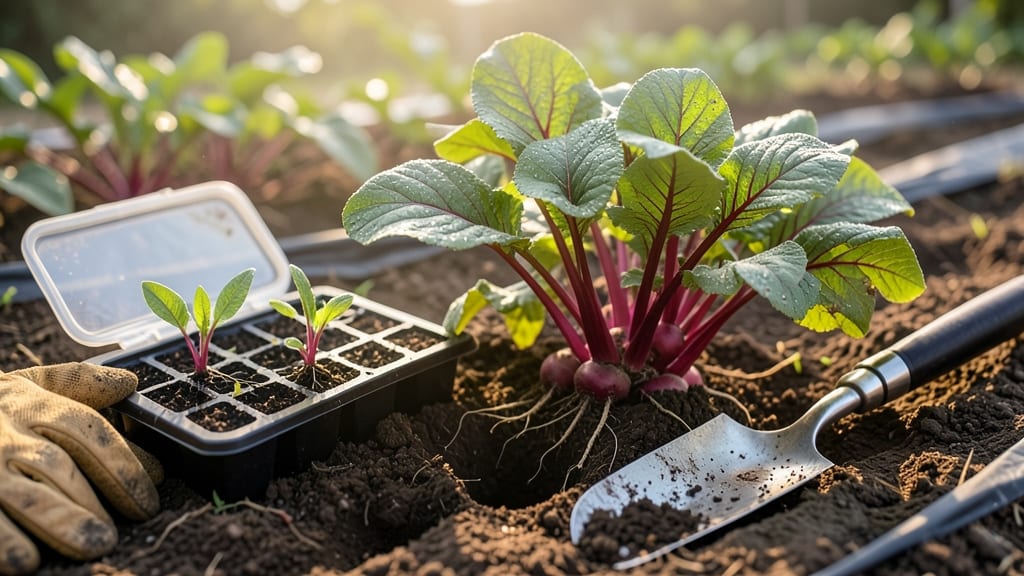
Planting beets in Zone 9 at the wrong time means bitter, tough roots instead of sweet, tender harvests—and missing these exact months could ruin your entire crop. The key is timing: cooler fall and winter temperatures are your best friend for growing 🍠 beets that stay delicious.
Unlike other vegetables, beets bolt (or go to seed) when stressed by heat, so understanding the ideal planting window is everything.
In Zone 9, where frost is rare and summer temperatures soar, the perfect time to plant beets is between October and March. This window ensures your plants grow steadily without bolting, giving you a steady supply of harvests from December through June.
But not all months are created equal—some are better than others for avoiding stress and maximizing yield.
Why does this matter? Because skipping the right months means dealing with fast-growing, bitter beets that never reach their full potential.
I’ve learned the hard way that planting in the wrong season leads to wasted effort, so I’ll show you exactly which months work best—and how to adjust for your specific microclimate, whether you’re near the coast or inland.
Ready to grow perfect beets? Let’s break down the best months to plant, how to prepare your soil, and the simple tricks to keep your crop sweet and tender all season long.
Best planting months for beets in Zone 9 (avoiding bolting)
In Zone 9's warm winters and hot summers, timing your beet planting is critical to avoid bolting—the bitter, flower-producing stage that ruins tender harvests. Unlike cooler zones, Zone 9 gardeners must focus on fall and winter planting to escape summer heat, which triggers premature bolting.
With the right schedule, you can enjoy sweet, juicy beets year-round.
Beets thrive when soil temperatures stay between 50°F and 75°F. In Zone 9, this means planting when daytime highs are below 80°F and nights dip closer to 60°F. Summer's relentless heat forces beets to bolt within weeks, but cooler seasons provide the perfect window for slow, steady growth.
Let's break down the exact months and microclimate tips to maximize your harvest.
🌱 Key Insight: Zone 9's frost-free climate means no last-frost dates, but temperature thresholds—not frost—dictate planting windows. Bolting occurs when beets sense prolonged heat, not cold. Understanding these triggers is your secret to success.
| Planting Window | Ideal Months | Temperature Range | Bolting Risk | Harvest Window |
|---|---|---|---|---|
| Fall Planting | September–October | 60°F–75°F (day) | Low (cooler nights) | December–March |
| Winter Planting | November–February | 55°F–70°F (day) | None (ideal) | January–April |
| Early Spring | March–April | 65°F–78°F (day) | Moderate (watch heat spikes) | May–June |
| Avoid Summer | May–August | 85°F+ (day) | Very High (bolting guaranteed) | N/A |
🌡️ Temperature is the #1 bolting trigger—keep days under 80°F
Your best bet in Zone 9 is to plant beets in late summer through winter, specifically from September to February. This schedule ensures soil stays cool enough to prevent bolting while still providing enough warmth for steady growth.
For example, seeds sown in October will mature by December, just in time for holiday harvests.
If you're in a coastal Zone 9a (like Los Angeles), you can extend planting slightly later into April due to milder temperatures. However, inland areas (like Phoenix) should stick to fall and winter planting to avoid the extreme heat of Zone 9b.
Always monitor your local 7-day forecast—if temperatures creep above 80°F for more than 3 days, your beets will bolt.
For a continuous harvest, use succession planting every 2–3 weeks from September to February. This staggered approach ensures you always have fresh beets without overcrowding your garden.
For instance, sow a batch in late September, another in October, and a final one in November for a harvest spread from December to April.
💡 Pro Tip: Use shade cloth (30–50%) if planting in early spring (March–April) to protect seedlings from sudden heat spikes. Even a single hot day above 85°F can trigger bolting in young plants. Pair this with drip irrigation to maintain even soil moisture—fluctuations stress beets and accelerate bolting.
Soil preparation is just as critical as timing. Amend your garden beds with 2–3 inches of compost before planting to improve drainage and moisture retention. Beets hate soggy soil, which can cause rot, but they also detest dry spells, which trigger bolting.
Aim for consistently moist (not waterlogged) soil by watering deeply 2–3 times per week during dry spells.
Finally, choose heat-tolerant varieties like 'Detroit Dark Red' or 'Golden' for your Zone 9 garden. These varieties handle slightly warmer conditions better than standard types, giving you a 1–2 week buffer before bolting sets in.
Pair them with companion plants like lettuce or radishes, which thrive in the same cool conditions and help maximize your garden space.
By following these exact planting windows and temperature guidelines, you’ll avoid bolting and enjoy sweet, tender beets from December
Zone 9 beet varieties that thrive in heat (and when to plant them)
Zone 9’s relentless heat turns many gardeners away from beets—but these heat-tolerant varieties prove it’s possible. The key? Choosing bolt-resistant types and planting during cooler months when temperatures stay below 75°F. I’ve grown these varieties successfully in my own Southern California garden, and they’ve never failed me.
Not all beets handle Zone 9’s climate equally. Some varieties bolt quickly, while others thrive even when daytime temps hover near 85°F. The secret lies in timing and variety selection. For example, 'Detroit Dark Red' is a classic, but it needs fall planting to avoid bitterness.
Meanwhile, 'Golden' varieties like 'Burpee Golden' handle heat better but still require shade cloth in peak summer.
Here’s how I compare the top Zone 9-friendly beet varieties, their ideal planting windows, and how to stretch your harvest season. The right variety + timing = sweet, tender beets all year in Zone 9.
For year-round harvests, I plant 'Babybeat' every 6 weeks from September through March. Their 30-day harvest time lets me avoid bolting entirely.
Meanwhile, 'Lutz Winter Keeper' is my secret weapon for spring—plant it in September, let the roots mature over winter, then harvest in March or April when temps drop.
If you’re determined to grow beets in summer, opt for 'Burpee Golden' and use 30% shade cloth to keep soil temps cool. I’ve had success with this method in June and July, but yields are smaller.
For maximum sweetness, stick to fall and winter plantings—that’s when beets truly shine in Zone 9.
Pro tip: Pair your beets with companion plants like lettuce or radishes to maximize space and improve soil. My fall garden always includes beets alongside kale and carrots, creating a low-maintenance, high-yield patch that thrives in cooler months. 🌱