
Plants
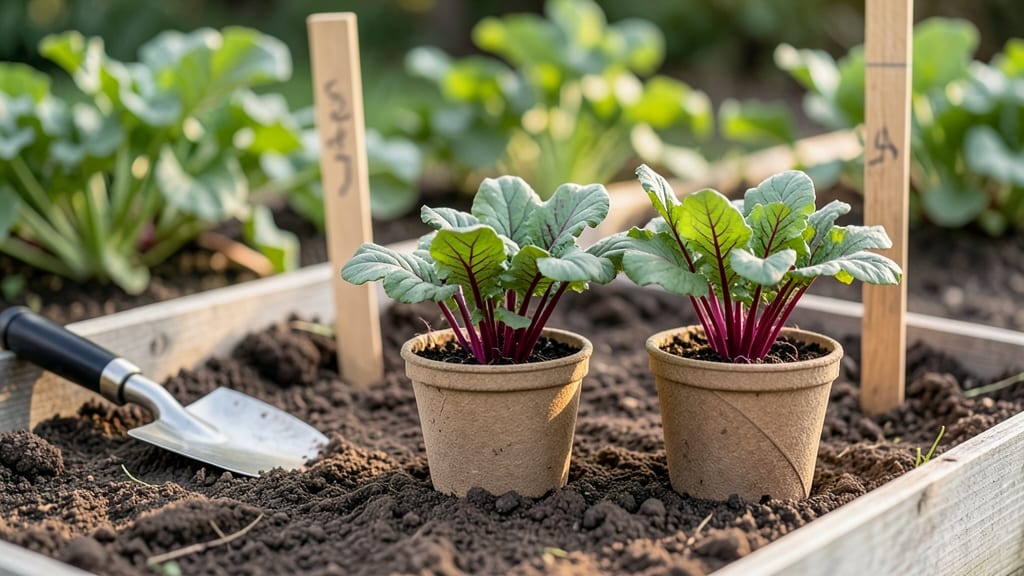
Planting fall beets in Zone 7 at the wrong time can turn your sweet, earthy harvest into tough, bitter disappointment—but timing it just right guarantees tender roots all winter long.
The key lies in understanding your first frost date and working backward from there, because beets need 8-12 weeks of cool weather to mature properly.
Most gardeners in Zone 7 make one of two mistakes: planting too early when soil temperatures are still warm, which triggers bolting, or waiting too long and risking frost before roots fully develop.
I’ve learned that aiming for 6-8 weeks before your average first frost (usually late August to early September) strikes the perfect balance for sweet, well-formed beets.
What makes this timing work isn’t just about the calendar—it’s about soil conditions too. Beets thrive in cooler temperatures (60-70°F) and need well-draining soil to prevent woody textures.
If you’re new to fall planting, don’t worry: I’ll walk you through the exact steps to prepare your soil and adjust for Zone 7’s unpredictable weather patterns.
By the end, you’ll know not just when to plant, but how to extend your harvest window with simple tricks like row covers and succession planting—so you can enjoy fresh, homegrown beets long after summer’s over.
Exact weeks before first frost to plant fall beets in Zone 7
In Zone 7, where average first frost dates range from mid-October to late November, planting fall beets requires precision. The 8-12 week window before frost ensures roots mature fully while avoiding the woody texture that develops when planted too late.
For example, if your frost date is November 15, aim to plant between September 15 and October 15 for optimal results.
Beets thrive when soil temperatures stay above 45°F (7°C)—critical for germination and early growth.
In Zone 7, this typically means starting seeds or transplants when daytime highs reach 60°F (15°C) consistently. Cool nights below 50°F (10°C) after planting actually sweeten the roots, but you’ll need at least 60 days of growth before frost to harvest fully developed beets.
Here’s the science-backed breakdown of your planting window, including soil temperature thresholds and microclimate adjustments:
For Zone 7 gardeners, the 10-week window (planting in early September) strikes the best balance.
This gives beets enough time to develop sweet, tender roots while allowing them to harden off before frost. Soil temperature is your best guide: use a soil thermometer to confirm readings above 50°F (10°C) before sowing.
If you’re planting transplants instead of seeds, adjust your timeline by 2 weeks earlier. Transplants already have a head start, so they can handle slightly cooler soils.
For example, if seeds need 55°F (13°C), transplants can tolerate 50°F (10°C) without stress. This flexibility helps when early-season soils run cool.
Don’t overlook microclimates in your Zone 7 garden. A south-facing bed may warm up faster than a north-facing corner, creating a 2-week planting difference. Use these spots strategically: plant heat-tolerant varieties (like 'Cylindra') in cooler areas and fast-maturing types (like 'Babybeat') in warmer zones.
To maximize sweetness, avoid planting too early. Beets grown in hot summer soil (above 80°F/27°C) develop bolting (flowering) or hollow cores. Instead, wait until late August for most of Zone 7, when daytime highs drop below 85°F (29°C).
This timing ensures consistent moisture and slow, steady growth—key for sweetness.
Pro tip: Succession plant every 2 weeks after your initial sowing to stagger harvests. This way, you’ll have beets ready at different sizes throughout fall, even if frost arrives early. For example, plant half your seeds in early September and the rest in mid-September to cover all bases.
Remember, frost enhances beet flavor by converting starches to sugars. A light frost (28-32°F/-2 to 0°C) actually improves sweetness, but roots should be at least 2 inches wide before the first freeze.
If frost threatens early, use row covers to protect young plants while allowing sunlight to penetrate.
By following these science-backed timelines and adjusting for your specific microclimate, you’ll harvest sweet, vibrant beets well into fall—even in Zone 7’s unpredictable climate. 🌱
How to adjust planting for Zone 7's variable frost dates
Zone 7's unpredictable frost dates can throw off your fall beet harvest if you're not prepared. The key is flexible planting strategies that account for early or late frosts while avoiding bolting or woody roots.
I've learned that succession planting and season extenders are my best tools for beating Mother Nature's curveballs.
First, understand that Zone 7's average first frost falls between October 15 and November 15, but it can shift 2-3 weeks earlier or later depending on your exact location.
For example, Charlottesville, VA typically sees frost by October 25, while Atlanta, GA might hold off until November 10. This variability means your planting window must be adjustable.
🌱 Numbered Highlights: Adjusting for Zone 7's Frost Dates
- 📅 Plant 8-12 weeks before first frost (aim for late July to early September)
- 🌡️ Soil temp must stay above 50°F—use row covers if nights dip below 40°F
- 🌱 Succession plant every 3 weeks for staggered harvests (last planting by mid-August)
- ❄️ Hardy varieties like 'Detroit Dark Red' or 'Golden' tolerate light frost—harvest before hard freeze
- 🛡️ Use low tunnels or row covers to extend harvest by 2-3 weeks after first frost
For succession planting, I start my first batch around late July when soil temps are still warm. This gives me 8-10 weeks of growth before potential frost. Then, every 2-3 weeks, I add another row until mid-August.
This staggered approach ensures I have beets ready to harvest at different times, reducing the risk of losing everything to an early frost.
When frost threatens, I rely on row covers to protect my plants. A simple floating row cover can raise temperatures by 5-8°F, allowing beets to continue growing even after light frost.
For hardier varieties, I've found that 'Boltardy' or 'Cold-Resistant' types can handle 20-25°F without damage, giving me extra time to harvest.
One mistake I used to make was planting all my beets at once, hoping for a long harvest. Now, I space my plantings and use season extenders to maximize my yield.
For example, if I notice an early frost forecast, I'll harvest the outer leaves first and leave the roots in the ground, covered with straw mulch, to sweeten over winter. This gives me two harvests from one planting!
Remember, beets are cold-hardy but not frost-proof. The goal is to time your harvest just before hard frost hits. If you see 20°F or below in the forecast, it's time to dig up your beets.
Store them in a cool, dark place for up to 3 months to enjoy fresh beets long after the growing season ends.