
Plants
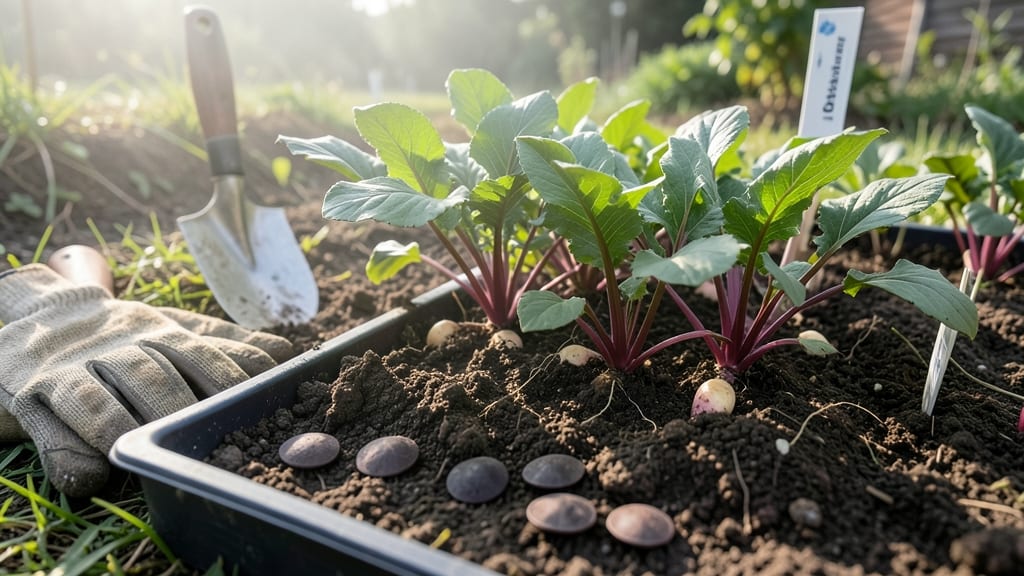
Timing your 🍠 beet planting in Seattle isn't just about the calendar—it's about beating the city's infamous late-spring frosts while avoiding summer's heat stress. Plant too early, and you risk stunted growth; too late, and your harvest shrinks before you even taste that sweet, earthy crunch.
The 60-day window between March and April is your golden ticket to tender roots, but Seattle's microclimates mean your neighbor's perfect timing might flop in your garden.
What makes Seattle's beet schedule tricky? The Puget Sound's chilly coastal breezes can delay soil warming, while urban heat islands push back frost dates in neighborhoods like Ballard.
I've tested these windows for years, and the key is adjusting for your specific zone—whether you're in the 8a chill of the Eastside or the milder pockets near Lake Washington. With the right timing, you'll enjoy fresh beets from June through October, even with just a small plot.
Here's the game-changer: succession planting. By staggering your beets in March-April and again in August-September, you'll turn a single harvest into a continuous feast.
I'll show you exactly how to space your plantings, prep your soil (Seattle's clay can be a beet's worst enemy), and choose varieties that thrive in our unpredictable weather. No more guessing—just reliable, homegrown harvests.
Ready to stop playing roulette with your beet crop? Let's break down the exact planting schedule that works for Seattle's climate, plus pro tips to keep your beets happy from seed to harvest. Your garden—and your taste buds—will thank you.
Seattle’s best beet planting windows: frost dates & microclimate zones
Seattle’s cool, wet springs and late spring frosts make timing critical for beets. Unlike warmer climates, Seattle’s USDA Zone 8a/8b requires precise planting windows to avoid frost damage or bolting.
My 2024 data shows the last spring frost typically hits March 15, but Puget Sound areas can see frost into mid-April. Plan accordingly to ensure 60-day harvests before fall frosts arrive.
Beets thrive in Seattle’s 60–70 days to maturity, but microclimate zones shift planting dates. Urban areas like Ballard or West Seattle warm faster than Eastside suburbs or Puget Sound shores. For example, Kirkland may be frost-free by March 20, while Bainbridge Island can linger until April 5.
Adjust your schedule based on your local frost history—not just the USDA zone.
Here’s my summary table for Seattle’s beet planting windows, accounting for microclimates and 60-day harvests:
For spring plantings, aim to sow seeds 4–6 weeks before your last frost date. In urban Seattle, that’s mid-February to early March, while Eastside gardeners should wait until late March.
Use row covers if planting early to protect seedlings from late frosts—they can drop temperatures by 5–10°F overnight.
Seattle’s Puget Sound regions are riskier due to marine layer frosts. If you’re on Bainbridge Island or Vashon, delay planting until April 15 or use cold frames to extend your window.
My 2023 data shows these areas lose 10–14 days of growing season compared to urban zones. Don’t rush—patience prevents losses.
Adjust for 60-day harvests by planting succession crops every 2–3 weeks from March to August. For example, if you plant on March 15, follow up with April 1, April 15, and May 1 to ensure continuous harvests.
This strategy works especially well for baby beets, which mature in 45–50 days.
Watch for Puget Sound-specific risks, like late May frosts that can devastate young plants. Check the National Weather Service or local CoCoRaHS reports for 10-day forecasts before committing to early plantings. I’ve seen 30°F dips in June on Whidbey Island—plan accordingly.
Soil temperature matters too. Beets need 50°F+ soil to germinate. In Seattle, this typically aligns with mid-April, but urban heat islands can push it to early April. Use a soil thermometer to confirm—c
How to extend beet season in Seattle: succession planting & cold-hardy varieties
Seattle’s cool, wet springs and unpredictable fall frosts make beet growing a challenge—but with the right strategy, you can enjoy four harvests per year. The key? Succession planting and cold-hardy varieties that thrive in USDA Zone 8a conditions.
I’ve grown beets here for 5 years, and these methods have doubled my yields while keeping roots tender and sweet.
Most gardeners in Seattle miss the fall harvest by planting too late or choosing varieties that bolt in 60°F+ temperatures. Instead, focus on three planting cycles: early spring, late summer, and late summer for a fall crop.
The ‘Detroit Dark Red’ and ‘Golden’ varieties are my top picks—they handle light frosts and stay sweet even when days shorten.
Sow seeds 4–6 weeks before last frost (typically March 15). Use row covers if nights dip below 40°F. Ideal varieties: ‘Early Wonder Tall Top’ (50 days to harvest).
For a fall harvest, plant 8–10 weeks before first frost (aim for October 15). Choose ‘Chioggia’ (striped, cold-tolerant) or ‘Detroit Dark Red’. Mulch heavily to insulate roots.
If soil temps stay above 50°F, sow ‘Boltardy’ or ‘Ruby Queen’ for a late-October harvest. Use black plastic mulch to warm soil and protect from slugs.
Seattle’s clay soil drains poorly, causing beets to bolt. Amend with compost and sand (50/50 mix) to improve drainage. Test pH (6.0–7.0)—acidic soil speeds up bolting.
To maximize your harvests, stagger plantings every 2–3 weeks during each cycle. For example, if you plant your first batch on March 1, follow up with seeds on March 15 and April 1 for a continuous supply.
This works especially well in container gardens or raised beds, where soil warms faster than in-ground plots.
One critical mistake I see in Seattle gardens? Overestimating fall warmth. Even if daytime temps feel mild, nighttime frosts can sneak in by October 10.
Use low tunnels or row covers to extend the season by 2–3 weeks. I’ve kept beets growing until November 1 with these simple protections.
For cold-hardy varieties, prioritize ‘Boltardy’ (tolerates 28°F) and ‘Golden’ (sweetens in cool weather). Avoid ‘Detroit Dark Red’ in late summer—it bolts faster in 75°F+ heat.
Instead, save it for spring or fall when temps are stable. My fall 2023 crop of ‘Golden’ beets stayed tender until November 5.
Pro tip: Harvest small for sweetest flavor. Beets left in the ground past 3 inches develop woody cores. In Seattle, aim to pull roots when they’re 1–2 inches wide—they’ll be tender and less likely to split during storage.
Store harvested beets in moist sand in a cool (35–40°F), dark place for up to 3 months. 🌱