
Plants
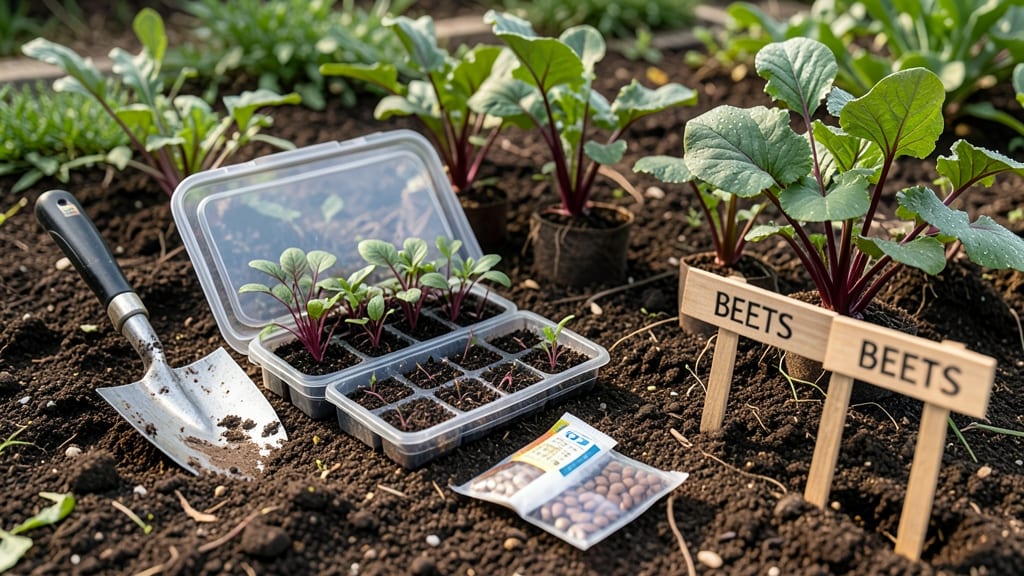
Timing your beet planting in New Jersey isn’t just about the calendar—it’s about outsmarting the Garden State’s unpredictable swings from coastal chill to inland heat. Plant too early, and a late frost will turn your tender 🍠 seedlings into sad, wilted memories.
Too late, and your beets bolt before you even get a chance to harvest those sweet, earthy roots.
Most NJ gardeners assume March is their only shot, but that’s where they go wrong. The real secret? Two planting windows—spring and fall—each with its own sweet spot.
Whether you’re in North Jersey’s cooler microclimate or South Jersey’s warmer stretches, the key is matching soil temps and frost dates to your zone. Let’s break down the exact months (and why they matter) so you can grow beets that are juicy, tender, and ready to harvest.
You’ll learn how to stretch your growing season by 4-6 weeks in both directions, using simple tricks like row covers and succession planting. No more guessing games—just reliable, flavorful beets from June through November. Ready to turn your NJ garden into a beet-growing powerhouse?
We’ll also cover the common mistakes that trip up even experienced gardeners, like planting in soil that’s too hot or ignoring pH levels. Skip these pitfalls, and you’ll be feasting on homegrown beets all season long—no more store-bought disappointment. Let’s get started.
Best planting months for beets in NJ by microclimate zone
New Jersey’s three distinct microclimates—North Jersey’s cooler springs, Central NJ’s moderate transitions, and South Jersey’s warmer coastal influence—create wildly different beet-growing conditions. The key to success? Planting when soil temperatures hit 45–55°F and frost risk drops below 20%.
Miss these windows, and you’ll either wait forever for germination or watch your beets bolt into bitter greens before you harvest.
Beets thrive in cool-season windows, meaning two planting opportunities per year: spring (March–April) and fall (September–October). The challenge?
NJ’s last frost dates range from mid-April in the north to early April in the south, while first frost arrives as early as mid-October in the mountains but lingers until late October near the coast. Let’s break down the exact timing for each zone to maximize your harvest.
| Microclimate Zone | Spring Planting Window | Soil Temp for Germination | Frost-Free Date | Fall Planting Window | Harvest Timeline |
|---|---|---|---|---|---|
| North Jersey (USDA 6a) | April 1–15 (after last frost) | 45–55°F (use row covers if cooler) | April 20–May 1 | September 1–15 (6–8 weeks before frost) | June–July (spring), October–November (fall) |
| Central NJ (USDA 6b–7a) | March 20–April 10 (soil warm enough) | 50–60°F (ideal for fast germination) | April 10–15 | September 15–30 (extend with row covers) | May–June (spring), October (fall) |
| South Jersey (USDA 7a–7b) | March 1–April 5 (earlier due to warmth) | 50–65°F (coastal warmth speeds germination) | March 25–April 5 | September 10–25 (longer growing season) | April–May (spring), November (fall) |
Note: Use row covers or cold frames to extend windows by 2–3 weeks in any zone.
For North Jersey gardeners, patience is key—wait until mid-April to plant, even if the air feels warm. Soil in Bergen or Passaic counties can stay too cold for germination until then.
Start seeds indoors in late March if you’re eager, then transplant after the last frost date (track local forecasts—April 15 is the average, but it varies yearly). In fall, aim for early September to ensure beets mature before early October frosts hit the Highlands.
Central NJ offers the most flexibility. Soil warms faster here, so you can start as early as March 20 if temperatures hold above 50°F. Use a soil thermometer—beets won’t germinate below 45°F, and 60°F+ speeds things up. For fall, September 15–30 is ideal, but row covers can push your window to October 10 if you’re bold. Just watch for bolting (premature flowering) if days get too short.
South Jersey’s coastal influence means earlier starts and later finishes. Plant as soon as March 1 if soil is workable, and don’t hesitate to sow again in late August for a November harvest. The Atlantic City area’s warmer microclimate lets you cheat the system—just mulch heavily to keep roots cool during July–August heatwaves, which can turn beets woody and tough.
Pro tip: Succession plant every 2 weeks in spring and fall to avoid gluts or shortages. For example, in Central NJ, sow March 20, April 5, and April 20 for a continuous June–July harvest.
The same strategy works in fall: September 1, 15, and 30 ensures beets ready through October–November. This method also reduces pest pressure, as beetles and aphids target large, established patches.
One common mistake? Planting too deep. Beet seeds need light to germinate, so press them ½ inch deep, 1–2 inches apart. If you’re in North Jersey and soil is still cold, soak seeds overnight and use black plastic mulch to warm the earth faster.
For fall plantings, add compost to boost soil fertility—beets need rich, loose soil to develop sweet roots.
Finally, harvest before bolting—look for 1–2 inch diameter roots with smooth, firm skin. In South Jersey, this might mean pulling beets by late May to escape summer heat, while North Jersey gardeners can stretch harvests into early July.
With these zone-specific windows, you’ll enjoy sweet, tender beets from spring through fall—no guessing games required.
How to adjust planting for NJ’s unpredictable weather patterns
New Jersey’s weather can shift faster than a summer thunderstorm—one day it’s 50°F with frost warnings, the next it’s 85°F and wilting your seedlings. Beets, with their cool-season roots, need a stable 50°F soil temp to thrive.
Here’s how to outsmart NJ’s whiplash weather and extend your harvest by 4-6 weeks in both directions.
Start by using row covers (lightweight fabric) to shield seedlings from late spring frosts or heatwaves. These covers act like a greenhouse, trapping warmth while allowing sunlight. For early spring planting (as soon as soil is workable), cover seeds until soil temps hit 50°F consistently.
In late summer, use them to protect fall plantings from unexpected cold snaps.
- 1. Soil Warmers: Use black plastic mulch or straw bales to raise soil temps 5-10°F faster in spring. Lay them down 2 weeks before planting.
- 2. Succession Planting: Sow new batches every 2 weeks from March 15 to April 30 for spring, and September 1 to October 15 for fall. This ensures a continuous harvest despite weather shifts.
- 3. Cold Frames: Build a DIY cold frame with a clear plastic lid over fall plantings. It can add 10-15°F of protection during October cold snaps.
- 4. Heat Tolerant Varieties: Choose ‘Detroit Dark Red’ or ‘Golden’ beets—they handle 85°F+ temps better than standard varieties.
- 5. Drip Irrigation: Install drip lines to deliver consistent moisture without wetting foliage. Beets need 1 inch of water weekly, but evening watering causes fungal risks.
For late spring plantings, monitor your local frost dates (North Jersey’s last frost is April 15, but coastal areas like Cape May can be 2 weeks later). If a frost warning pops up after sowing, rush to cover seedlings with row fabric or a cloche. Pro tip: Use wall o’ waters (plastic bottles filled with water) around seedlings—they release heat slowly and act as mini heat sinks.
In fall, focus on soil warming to delay the first frost. Plant in south-facing beds where soil stays warmer longer. If temps drop below 40°F at night, drape frost blankets over plants.
For extended harvests, succession plant every 3 weeks starting September 1. This staggered approach ensures you’re always harvesting mature beets before the ground freezes.
Don’t forget to harden off seedlings before transplanting. Acclimate them to outdoor conditions over 5-7 days by placing them in partial shade during the day and bringing them in at night. This reduces transplant shock when you move them to the garden, especially after unpredictable NJ temperature swings.
With these adjustments, you’ll turn NJ’s unpredictable weather into an advantage—enjoying sweet, homegrown beets from early June to late November. 🌱