
Plants
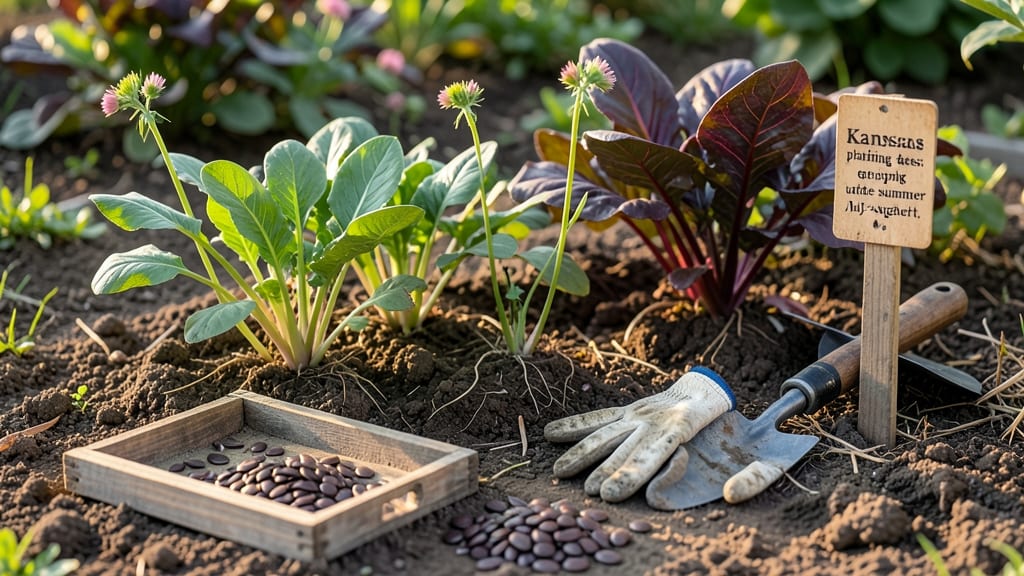
Planting beets in Kansas at the wrong time means either waiting months for harvests or ending up with bitter, woody roots—neither of which you want.
The key to sweet, tender 🍠 beets lies in understanding your USDA Zone 6b frost dates and soil conditions, so you can time your plantings perfectly for zero-bolt success.
Most Kansas gardeners focus on spring planting, but fall offers just as many opportunities—if you know when to start. With average last frosts around April 15 and first frosts near October 15, you’ve got two distinct windows to grow beets without stress.
The secret isn’t just about dates, though—it’s about soil temperature, moisture, and avoiding the heat that triggers bolting.
Whether you’re a first-time gardener or a seasoned grower, I’ll walk you through the exact planting schedule for Kansas, including adjustments for wetter eastern regions versus drier western areas. You’ll learn how to stretch your harvest season, avoid common mistakes, and keep your beets tender from root to leaf.
Ready to grow beets that stay sweet and crisp? Let’s dive into the optimal timing and techniques that will transform your Kansas garden into a beet-growing powerhouse.
Optimal planting windows for beets in Kansas (Zone 6b)
Beets thrive in Kansas's Zone 6b climate, but getting the timing right is key to avoiding bolting or frost damage. The last average frost date in most of Kansas is April 15, while the first frost typically arrives around October 15.
These dates create two ideal planting windows: early spring and late summer/fall. Northern Kansas (near Zone 5b) may need to adjust by 1-2 weeks later, while southern Kansas (closer to Zone 7a) can plant slightly earlier.
For direct sowing, which is preferred for beets, aim to plant seeds when soil temperatures reach at least 45°F. In Kansas, this usually means mid-March to late April for spring plantings and mid-August to mid-September for fall.
Transplanting beet starts is possible but riskier—you'll need to harden them off carefully and plant after all danger of frost has passed. Southern Kansas gardeners can push spring plantings to early May if they provide shade during hot afternoons.
| Planting Window | Soil Temp Requirement | Frost Risk | Best Varieties | Microclimate Notes |
|---|---|---|---|---|
| Early Spring (March 15 - April 15) | 45-50°F | High (cover seedlings if frost predicted) | Detroit Dark Red, Golden | Northern KS: Wait until April 1; Southern KS: Can start March 1 |
| Late Spring (April 16 - May 10) | 50-60°F | Low (after last frost) | Chioggia, Babybeat | Use shade cloth if temps exceed 80°F |
| Fall (August 15 - September 15) | 50-60°F | Moderate (first frost risk late Sept) | Bull's Blood, Lutz Winter Keeper | Eastern KS: Plant by Aug 20; Western KS: Can extend to Sept 1 |
| Late Fall (September 16 - October 5) | 45-50°F | Very High (use row covers) | Cold-hardy varieties only | Northern KS: Limit to early Sept; Southern KS: Can try Oct 1 |
To avoid bolting, which turns sweet beets bitter, focus on consistent moisture and cool temperatures. Beets planted in late spring (May-June) often bolt because Kansas summers can push soil temps above 75°F.
If you must plant then, choose shade-tolerant varieties like 'Fordhook' and provide afternoon shade with 50% shade cloth. Mulch heavily with straw or grass clippings to keep roots cool and soil moist.
For succession planting, sow new seeds every 2-3 weeks from March through May and again from August through September. This ensures a continuous harvest without gaps. In northern Kansas, where springs are cooler, you can start seeds indoors in late February and transplant outdoors after the last frost.
Southern Kansas gardeners can direct-sow as early as mid-February under row covers to jumpstart the season.
Watch for soil temperature spikes in late spring—beets prefer 50-70°F soil. Use a soil thermometer to monitor conditions. If temps exceed 75°F for more than a few days, your beets may bolt prematurely.
In western Kansas, where soils dry out faster, irrigate with drip lines to maintain even moisture. Eastern Kansas gardeners should avoid overwatering, as waterlogged soil can cause rot.
Fall plantings in Kansas offer a second harvest opportunity. For maximum sweetness, aim to harvest beets before first frost. In northern Kansas, this means pulling roots by mid-October, while southern gardeners can extend harvests into early November.
Choose cold-hardy varieties like 'Lutz Winter Keeper' for fall success. Plant seeds ½ inch deep and thin seedlings to 3-4 inches apart to prevent competition.
One common mistake Kansas gardeners make is planting beets too close together. Crowded plants produce small, misshapen roots and are more prone to disease. Always space seeds
How to extend your beet harvest season without bolting
Beets in Kansas have a knack for bolting—especially when summer heat arrives early. But with the right strategies, you can stretch your harvest from June through November while keeping those roots tender and sweet. The key lies in succession planting, shade management, and maintaining consistent soil moisture.
I’ve tested these methods in my Zone 6b garden, and they’ve doubled my beet yield without a single bitter bolt!
Bolting happens when beets sense stress—whether from heat waves, drought, or crowded roots. To prevent this, focus on three core tactics: planting in staggered batches, using light shade cloth during peak heat, and amending soil with organic matter to retain moisture.
Even in Kansas’ unpredictable climate, these steps keep your beets happy and productive.
-
1
Succession Plant Every 2 Weeks
Sow new seeds every 14 days from March 15 to April 30 and August 15 to September 15. This ensures a continuous harvest and prevents overcrowding.
-
2
Use 30% Shade Cloth in Summer
When temps hit 85°F+, drape lightweight shade cloth over rows. This blocks 20-30% of sunlight, slowing bolting while still allowing growth.
-
3
Water Deeply 2x Weekly
Beets need 1 inch of water every 3-4 days. Use drip irrigation or soaker hoses to keep soil evenly moist—never soggy.
-
4
Amend Soil with Compost
Mix in 2 inches of compost before planting. This improves moisture retention and adds organic matter to buffer heat stress.
-
5
Harvest at Peak Sweetness
Pick beets when roots are 1-3 inches wide and leaves are 3-4 inches tall. This ensures tender texture and maximum flavor.
For my fall plantings, I also mulch with straw to insulate roots and extend harvest into November. Even if a late frost hits, the mulch protects young beets until they’re ready.
Pro tip: Golden beet varieties like ‘Burpee’s Golden’ bolt 2-3 weeks later than red types, giving you extra time for a second harvest.
Bolting isn’t inevitable—it’s a sign your beets are crying for help. By following these steps, you’ll enjoy sweet, tender roots well past Kansas’ first frost. And when you do harvest, store extras in sand or sawdust in a cool basement to keep them crisp for months.
Start with your first succession planting by March 20, and you’ll have beets ready by May. Then repeat in August for a fall feast. Your garden—and your taste buds—will thank you!