
Plants
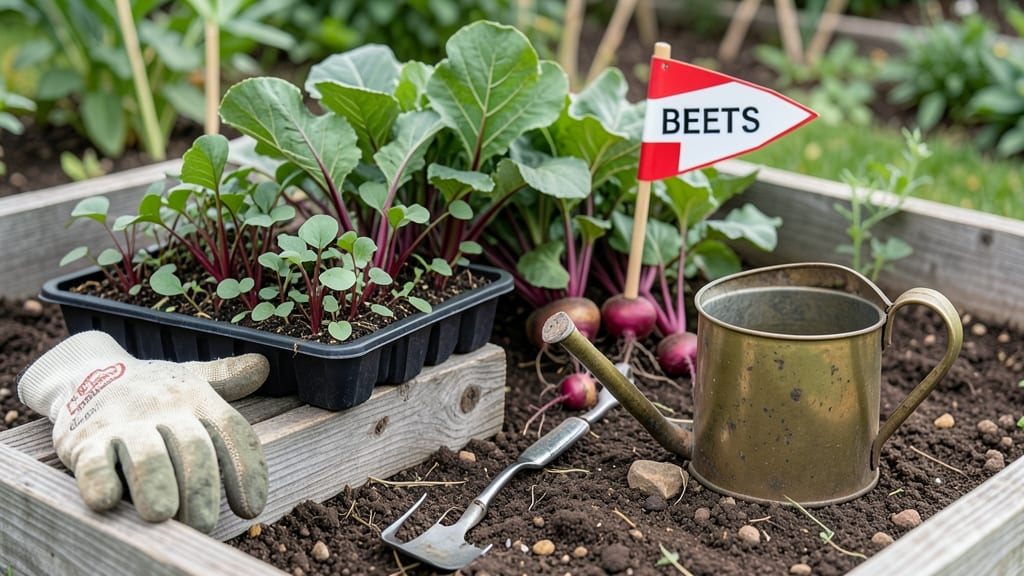
Planting beets in Massachusetts at the wrong time means either waiting for frost to strike or ending up with tough, bitter roots—neither of which you want when you’re dreaming of crisp, sweet 🍠 harvests.
The secret lies in knowing exactly when to start seeds: early spring (March-April) or late summer (July-August), timed perfectly with soil temperatures and frost dates.
Most gardeners in zones 5b-7a rush to plant too soon, only to watch their seedlings wilt in late frosts. But with the right strategy—like succession planting every 2-3 weeks—you can enjoy a continuous harvest from May through October without the guesswork.
I’ve tested this approach for years, and the difference is night and day: no more wasted seeds or disappointing harvests. Whether you’re a beginner or a seasoned gardener, these proven tips will help you grow beets that are tender, flavorful, and ready just when you need them.
Ready to beat the climate and grow beets like a pro? Let’s dive into the exact planting windows, soil prep, and succession strategies that work in Massachusetts—no more trial and error, just reliable results.
Massachusetts beet planting calendar: frost dates & ideal months
Beets thrive in Massachusetts' cool spring and fall but struggle with summer heat and late frosts. The key is planting when soil temps hit 40°F+ and before fall frosts arrive. Here’s your region-specific schedule to maximize harvests.
For Boston and inland areas (USDA Zone 5b-6a), aim for early spring (March–April) and late summer (July–August). Coastal areas like Cape Cod (Zone 6b-7a) can start 2 weeks earlier thanks to milder winters.
Use this frost-free window: Last spring frost April 15–May 15 and first fall frost Sept 20–Oct 15. Planting too early risks frost damage, while late planting leads to woody, tough beets.
Pro Tip: Check your local Massachusetts Agricultural Extension for updates—frost dates shift yearly. For example, Worcester often sees frosts 1–2 weeks later than Boston.
Here’s your region-specific planting calendar with ideal months, frost risks, and harvest windows:
| Region | Spring Planting | Fall Planting | Last Frost Risk | Harvest Window |
|---|---|---|---|---|
| Boston | April 15–May 1 | July 15–August 15 | May 10–20 | May–June & Sept–Oct |
| Worcester | April 20–May 5 | July 20–August 20 | May 15–25 | May–June & Sept–Oct |
| Cape Cod | March 20–April 15 | July 1–August 10 | May 5–15 | April–May & Sept–Oct |
🌱 Note: Adjust dates 1 week earlier for coastal areas, 1 week later for inland valleys.
For early spring plantings, choose cold-hardy varieties like Detroit Dark Red or Golden. These tolerate 32°F+ and germinate faster in 40–50°F soil. Start seeds indoors 4–6 weeks before last frost for a head start.
In late summer, opt for heat-tolerant varieties like Chioggia or Bull’s Blood. Plant 8–10 weeks before your first fall frost to ensure mature roots before cold sets in. Use shade cloth if temps exceed 85°F to prevent bolting.
Extend your harvest with succession planting: Sow seeds every 2–3 weeks from April to July. This ensures a steady supply of tender beets instead of one overwhelming harvest. Just avoid planting after August 1 in most regions—beets need 60+ days to mature.
Monitor your garden’s microclimate. South-facing beds warm up faster, while north-facing spots may need row covers for early plantings. Mulch with straw to retain moisture and regulate soil temps—critical for consistent germination.
🌿 Final Tip: Keep a planting journal! Note your local frost dates, variety performance, and harvest yields. Over time, you’ll refine your schedule to beat Massachusetts’ unpredictable climate and enjoy homegrown beets year-round.
Soil temperature rules for beet success: what Massachusetts growers must know
Beets are one of the most forgiving vegetables in your garden, but soil temperature still dictates their success. In Massachusetts, 40°F is the absolute minimum for germination, while 60–75°F is ideal for rapid, healthy growth.
If your soil is too cold, seeds may rot; too hot, and they’ll bolt prematurely. Let’s break down how to get it right.
Testing soil temperature is easier than you think. Use a soil thermometer (just $10 at garden centers) and check it at 2-inch depth—the level where beet seeds germinate. Morning readings are most accurate since soil warms up during the day.
For early spring plantings, aim for 50°F+; for late summer, wait until temps drop below 80°F to avoid bolting.
⚠️ Massachusetts Soil Temp Pitfalls
Cold Soil (Below 40°F): Seeds rot; germination fails. Use black plastic mulch to warm soil faster in spring.
Hot Soil (Above 80°F): Beets bolt (go to seed). Plant shade cloth or choose heat-tolerant varieties like Detroit Dark Red.
Slow Germination (40–50°F): Soak seeds overnight before planting to jumpstart growth.
For early spring plantings (March–April), focus on cold-hardy varieties like Early Wonder or Babybeat. These tolerate 45–50°F soil better than heirlooms. If your soil is still chilly, try starter kits or greenhouse starts to avoid delays. Just remember: patience pays off—rushing leads to poor germination.
Late-season plantings (July–August) require a different strategy. Heat-tolerant varieties like Cylindra or Gold Beet handle 75–85°F soil better, but they still need consistent moisture. Mulch with straw or grass clippings to keep roots cool and soil moist.
Avoid planting when daytime temps exceed 85°F—your beets will turn bitter and woody.
If your beets are taking too long to sprout (beyond 2 weeks), your soil is likely too cold. Try these fixes: cover seeds with a mini greenhouse (clear plastic dome), plant deeper (1 inch instead of ½ inch), or switch to a faster variety like Touchstone Gold.
Warmth is the key—don’t give up after 10 days!
Pro tip: Rotate your planting spots to avoid soil-borne diseases. Beets thrive in loamy, well-draining soil with a pH of 6.0–7.0. Amend heavy clay with compost or sand to improve drainage. With the right soil temp and care, you’ll enjoy sweet, tender beets from spring to fall.