
Plants
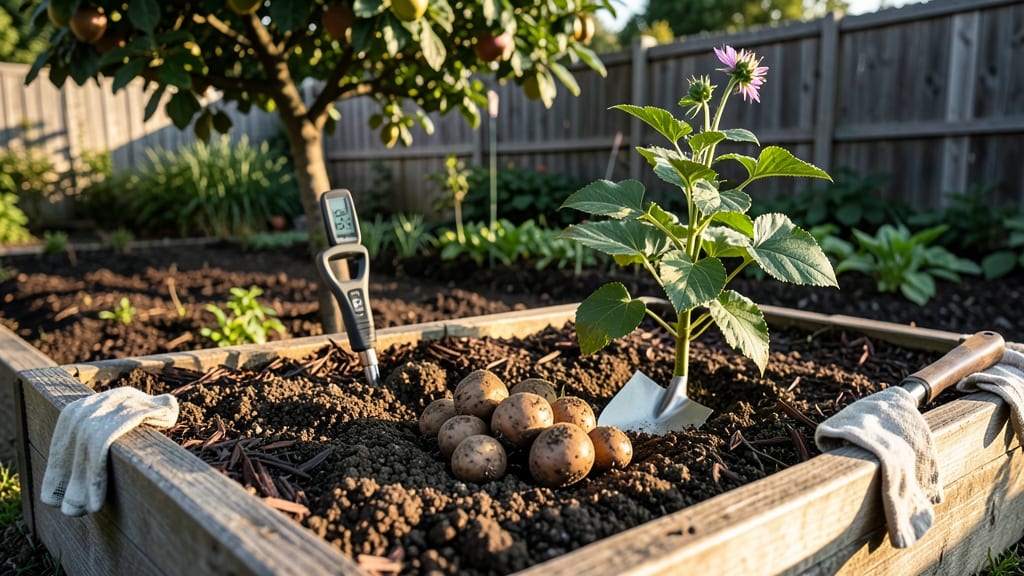
Planting dahlias in Kentucky isn't just about the calendar—it's about waiting for the soil to warm up to 60°F and all danger of frost to pass.
If you get this timing wrong, your stunning 🌼 dahlias might never reach their full potential, leaving you with wilted blooms instead of show-stopping summer displays.
Most Kentucky gardeners know the general rule: wait until after the last frost, which typically lands between April 1 and April 15. But here's the catch—soil temperature matters just as much as the date.
Cold soil can stunt growth, so testing with a soil thermometer is your best friend before breaking ground.
In this guide, I'll walk you through the exact soil warmth and frost-free rules that work for Kentucky's USDA Zone 6a, whether you're in Louisville, Lexington, or a rural patch of the Bluegrass.
You'll learn how to adjust for microclimates and extend your dahlias' season so they bloom from July right through October.
Ready to grow dahlias that steal the show? Let's dive into the secrets of planting them at the perfect moment—so you can enjoy those vibrant blooms all summer long without a single worry about frost or slow starts.
Kentucky’s ideal dahlias planting dates based on soil temperature
Timing your dahlia planting in Kentucky isn’t just about avoiding frost—it’s about waiting for the soil warmth that triggers fast, healthy growth. Dahlias need soil temperatures of at least 50°F to thrive, but 60°F+ is ideal for root establishment.
In Kentucky’s USDA Zones 6-7, this typically means waiting until mid-April to mid-May, but rural areas and higher elevations may need to push planting later.
Kentucky’s last frost dates vary dramatically across regions. Louisville and Lexington usually see their final frost around April 15, while rural areas in the Appalachians can experience late frosts well into May.
Planting too early in these zones risks frost damage to tender dahlia tubers, which can’t withstand temperatures below 40°F. The key is balancing frost risk with soil readiness—neither should be compromised.
To test your soil’s readiness, use a soil thermometer (available at garden centers for under $10). Insert it 4-6 inches deep—the depth where dahlia tubers will sit—and wait for consistent readings of 60°F or warmer for at least 3 days.
This warmth signals that roots can actively grow without shock. If your soil is still cold, hold off planting—even if the air feels spring-like.
Here’s a quick rule of thumb: Count 4-6 weeks after your average last frost date before planting dahlias. This buffer accounts for unpredictable late frosts and gives your tubers time to establish roots before summer heat arrives.
For example, if your last frost is April 15, aim for planting between May 5-15.
| Region | Avg. Last Frost | Ideal Planting Window | Soil Temp Goal | Pro Tip |
|---|---|---|---|---|
| Louisville Metro | April 10-15 | May 1-15 | 60°F+ | Urban heat islands warm soil faster—test daily! |
| Lexington | April 12-18 | May 2-16 | 60°F+ | Add black plastic mulch 1 week before planting to warm soil. |
| Rural KY (Appalachian) | May 1-10 | May 20-June 1 | 60°F+ | Plant in south-facing beds first—they warm up fastest. |
| Northern KY (Henderson) | April 20-25 | May 10-20 | 55°F+ (cold-tolerant varieties) | Use row covers if nights dip below 45°F after planting. |
If you’re eager to get dahlias in the ground but your soil isn’t ready, consider container growing. Pots warm up faster than garden beds, especially if placed on patios or decks where they absorb sunlight all day.
Just ensure containers have drainage holes and use a lightweight potting mix to prevent waterlogging, which dahlias hate.
Another trick for late-planting is to use burlap sacks or black plastic mulch to warm the soil. Lay these over your planting area 2-3 weeks before you plan to plant. The dark material absorbs heat during the day and radiates it back to the soil at night, accelerating warmth.
This can shave 1-2 weeks off your planting timeline in cooler regions.
Once your soil hits the 60°F threshold, plant dahlia tubers 4-6 inches deep with the eyes (growth points) facing upward. Space them 12-18 inches apart for dwarf varieties and 24-36 inches apart for standard or dinner-plate dahlias. Water thoroughly after planting to settle the soil and encourage root contact.
After planting, monitor your dahlias closely for the first 2 weeks. If nighttime temperatures dip below 50°F, use frost cloth or a lightweight row cover to protect tender new growth.
Remove covers during the day to allow sunlight access—dahlias need 6+ hours of sun daily to produce their iconic blooms.
Remember, dahlias are short-season plants in Kentucky’s climate. Planting at the right time ensures you’ll enjoy months of blooms from July through October, when most gardeners are already tired of summer flowers.
With the right soil warmth and a little patience, you’ll have dahlias that outshine every other plant in your garden.
How to extend dahlias season in Kentucky’s unpredictable climate
Kentucky’s unpredictable spring frosts and sweltering summer heat can cut dahlia seasons short if you’re not prepared. The key to longer blooms lies in protective strategies that shield your tubers from temperature swings.
I’ve grown dahlias in Lexington’s Zone 7a for years, and these methods have kept my plants thriving until first frost—or even beyond with a little extra care.
Dahlias are tender perennials, meaning they’ll die back to the ground in winter, but their tubers can survive if insulated properly. The trick is creating a microclimate around your plants—whether through mulching, row covers, or deeper planting.
Let’s break down the most effective tactics to extend your dahlia season by 30-60 days or more.
One of my favorite tricks is combining deep planting with black plastic mulch. I’ve seen dahlias emerge 2 weeks earlier when planted this way, giving them a head start before Kentucky’s unpredictable late frosts.
For example, in 2022, a hard freeze hit Lexington on May 10, but my mulched dahlias survived because their crowns were buried 7 inches deep.
Don’t overlook row covers for fall extensions. I’ve kept dahlias blooming until mid-November by using lightweight frost blankets during cool nights. Just remember to remove covers during the day to prevent heat stress.
Pair this with daily watering (1-2 gallons per plant) to maintain moisture levels under the cover.
For heatwave protection, focus on shade cloth (30-50% shade) during peak afternoon sun. Dahlias wilt quickly in 95°F+ temperatures, but partial shade can buy you extra blooming time.
I also prune lower leaves to improve air circulation and reduce fungal risks like powdery mildew, which thrives in Kentucky’s humid summers.
Finally, choose late-blooming varieties like ‘Café au Lait’ or ‘Thomas Edison’ for extended seasons. These types often bloom 2-3 weeks later than early varieties, giving you more time before frost. Combine this with proper winter storage, and you’ll have show-stopping dahlias year after year.