
Plants
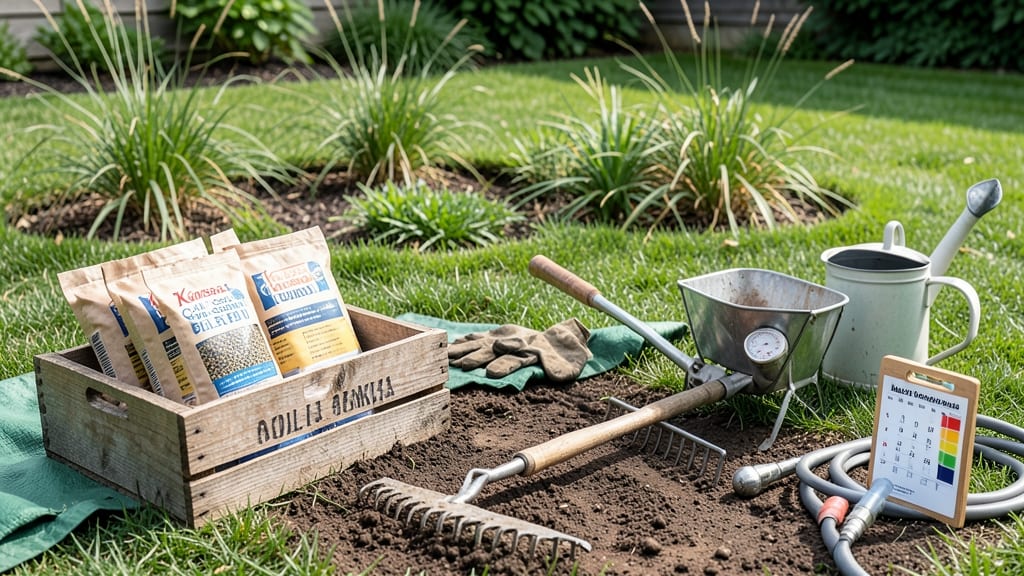
Planting grass in Kansas at the wrong time can turn your dream green lawn into a patchy, weed-filled disappointment—so getting the timing right is the key to success.
With 5b-6b climate zones and unpredictable spring weather, knowing when to plant makes all the difference between a lush yard and wasted effort.
Most Kansas gardeners swear by early spring or fall, but there's more to it than just picking a month. Soil temperature plays a huge role—waiting until it hits 50°F (10°C) ensures your seeds germinate properly, while planting too early risks frost damage.
I'll break down the exact windows, regional differences, and how to prep your soil for the best results.
You'll also discover which grass types thrive in Kansas' seasons—cool-season varieties like tall fescue for spring planting versus warm-season options for summer resilience. Plus, I'll share my top tips for avoiding common mistakes that derail lawn projects before they even begin.
Ready to transform your yard? Let's dive into the perfect planting schedule, soil prep secrets, and care routines that'll have your grass looking its best all year—no guesswork required.
Kansas grass planting timeline: soil temperature and frost-free deadlines
Timing your grass planting in Kansas is all about balancing soil warmth and frost-free windows. The state's climate varies from USDA Zone 5b in the north to Zone 6b in the south, meaning your exact planting dates depend on your region.
Getting this right ensures strong seed germination and rapid root establishment.
For most of Kansas, the ideal planting windows are early spring (March-April) and early fall (September-October). These periods offer moderate soil temperatures (50-65°F) and lower weed competition than summer months. Let's break down what you need to know for your specific area.
🌱
| Region | Last Frost Date | First Frost Date | Spring Planting Window | Fall Planting Window | Soil Temp Threshold |
|---|---|---|---|---|---|
| Northwest (Hays) | April 20 | October 10 | Mid-April to May 15 | September 1-15 | 50-60°F |
| Central (Topeka) | April 15 | October 15 | Late March to April 30 | September 1-30 | 50-65°F |
| Northeast (Kansas City) | April 10 | October 20 | Late March to May 1 | September 15-October 15 | 55-65°F |
| Southwest (Wichita) | April 5 | October 25 | Late February to April 15 | September 15-October 10 | 55-65°F |
| Southeast (Pittsburg) | March 25 | November 1 | Late February to April 30 | September 1-October 15 | 60-65°F |
Use this table as your quick-reference guide when planning your lawn project. For example, if you're in Wichita, aim to plant in late February when soil temperatures consistently reach 55°F. In Topeka, wait until late March to avoid early frost damage.
Soil temperature is more critical than air temperature for successful germination. Use a soil thermometer ($10-$15 at garden centers) to check depths of 2-4 inches. Grass seeds typically need 50-65°F soil temperatures to sprout effectively.
In Kansas, these conditions usually align with mid-March to mid-April in spring and September to early October in fall.
Another key factor is the 4-6 week rule before the first frost. This gives your grass enough time to establish roots before winter dormancy. For instance, if your first frost is October 15, plant by September 1 to ensure proper root development.
In southern Kansas, where frost comes later, you can extend your fall window to mid-October.
🌿
Don't fall for the myth that you can plant anytime the ground is thawed. Early spring planting too soon (before 50°F soil temps) leads to slow germination and seed rot.
Similarly, fall planting too late (within 4 weeks of frost) results in weak roots that struggle to survive winter. Always check your local Kansas State University Extension office for region-specific updates, as weather patterns can shift yearly.
For warm-season grasses like Bermuda or Buffalo grass, you can push the envelope slightly later in spring (May) as they thrive in hotter conditions. But cool-season grasses like Kentucky Bluegrass and Tall Fescue need those 50-65°F soil temperatures for best results
Best grass seed types for Kansas seasons and when to plant them
Choosing the right grass seed for Kansas means balancing cool-season and warm-season varieties with your region’s climate. Western Kansas often leans toward drought-resistant options, while eastern areas thrive with classic cool-season blends. Let’s break down the best choices and their ideal planting windows.
Kansas’ USDA zones 5b-6b create distinct planting seasons. Cool-season grasses like tall fescue and Kentucky bluegrass love the mild spring (March-April) and fall (September-October) temperatures. Meanwhile, warm-season grasses such as Bermuda and buffalo grass prefer late spring (May-June) when soil warms.
Soil temperature is your best guide: aim for 50-65°F for cool-season seeds and 70-75°F for warm-season types. Western Kansas gardeners should prioritize buffalo grass or tall fescue blends, as they handle low rainfall and high heat better than Kentucky bluegrass.
| Grass Type | Best Planting Months | Soil Temp Requirement | Drought Tolerance | Shade Tolerance |
|---|---|---|---|---|
| Tall Fescue (Cool-Season) | March-April, September-October | 50-65°F | Moderate | Good |
| Kentucky Bluegrass (Cool-Season) | March-April, September-October | 50-65°F | Low | Excellent |
| Bermuda (Warm-Season) | May-June | 70-75°F | High | Poor |
| Buffalo Grass (Warm-Season) | April-May | 60-70°F | Very High | Moderate |
For eastern Kansas, Kentucky bluegrass offers a soft, lush lawn but needs regular watering. Tall fescue, however, is a low-maintenance alternative that stays green longer in summer heat.
In western Kansas, buffalo grass is a native drought-resistant champion, while Bermuda excels in high-traffic areas with intense sunlight.
Timing is everything: cool-season grasses should be planted 4-6 weeks before the first frost (typically by October 1), while warm-season grasses need soil warmth—wait until after May 15 in most of Kansas. Spring planting is riskier due to weed competition, so fall is often the safer bet for cool-season types.
Pro tip: Test your soil pH (ideal: 6.0-7.0) and amend with compost before planting. Western Kansas soils may need extra organic matter to retain moisture for drought-prone varieties like buffalo grass. With the right seed and timing, your Kansas lawn can be the envy of the neighborhood! 🌱