
Plants
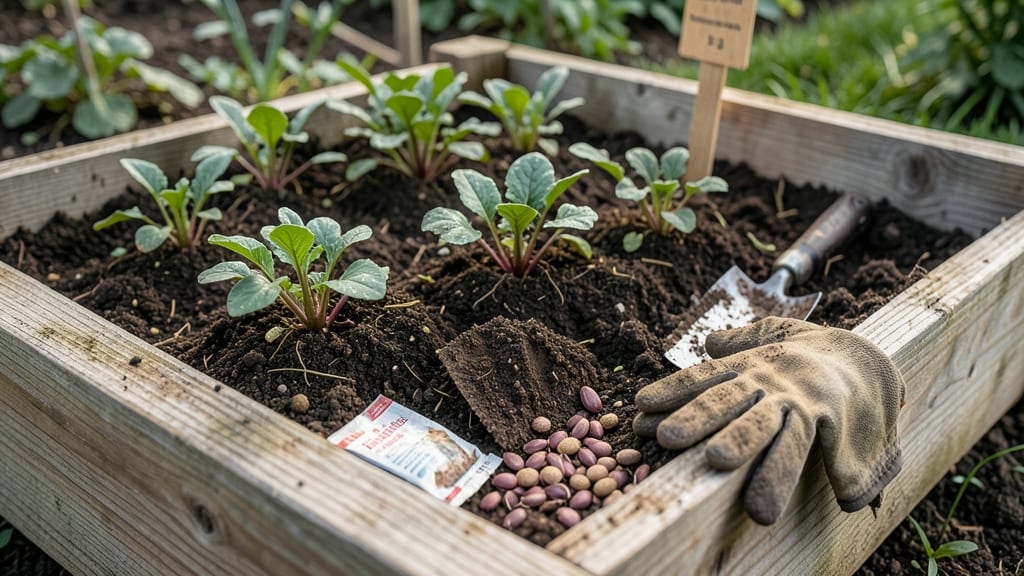
Planting beets in Arizona’s 9b climate isn’t just about timing—it’s about outsmarting the heat and unpredictable monsoons to avoid bitter, bolted greens. The key to sweet, tender 🍠 harvests lies in two narrow windows: late summer for fall crops and early spring before temperatures spike.
Most gardeners in Arizona assume beets are a summer crop, but that’s a recipe for disappointment. Hot soil and long days trigger bolting, turning your beets into leafy stalks before they even form roots.
By planting in September-October or February-March, you’ll beat the worst heat while still enjoying a harvest before winter sets in.
I’ve grown beets in Arizona for years, and the difference between a thriving patch and a failed experiment comes down to soil prep, watering discipline, and choosing the right varieties.
Let me walk you through the exact steps—from seed spacing to harvest timing—to guarantee a steady supply of earthy, homegrown beets all season long.
Ready to skip the store-bought disappointment? These proven techniques will help you grow beets that are bolting-free, sweet, and ready to harvest just as the weather cools. Let’s get started.
Best planting windows for Arizona beets: avoiding bolting in extreme heat
Arizona’s triple-digit summers and sudden monsoon downpours make beet growing tricky—but timing is everything. Beets bolt (flower prematurely) when stressed by heat or drought, turning sweet roots into bitter, woody messes. The key? Plant during cool-season windows when soil temps stay below 75°F and days are shorter.
Beets thrive in Arizona’s fall and winter months when temperatures cooperate. Skip spring planting unless you’re in higher elevations like Flagstaff, where cooler nights delay bolting. Even then, shade cloth becomes your best friend during April’s heat spikes.
| Planting Window | Ideal Soil Temp | Days to Maturity | Key Considerations |
|---|---|---|---|
| Late August - Early September | 60-70°F | 55-65 days | Early fall escape summer heat; use 30% shade cloth if temps rise above 80°F |
| September - October | 55-65°F | 50-60 days | Best window—cool nights, minimal bolting risk; harvest by December |
| February - Early March | 50-60°F | 60-70 days | Spring planting; protect with row covers if frost threatens |
| Avoid April-July | Above 75°F | N/A (bolting risk) | Never plant—beets bolt in 10-14 days at 80°F+ |
For fall planting, start seeds indoors 4-6 weeks before your average first frost date (December 1 in most Arizona zones). Transplant seedlings into loose, well-amended soil when nighttime temps drop below 70°F. In Phoenix or Tucson, this means mid-September—don’t wait until October!
Winter planting in February-March gives beets a head start before spring heat arrives. Use black plastic mulch to warm soil faster, then cover young plants with floating row covers if frost threatens. Beets tolerate light frosts (28°F), but young seedlings may suffer if temps drop below 25°F.
Extend your harvest into late winter by planting successive crops every 2-3 weeks in September and October. Space seeds 1-2 inches apart in rows 12 inches apart for easy thinning. Thin seedlings to 3-4 inches apart when they’re 2 inches tall—this prevents overcrowding and bolting.
Even in ideal windows, heat stress can trigger bolting. Monitor soil temps with a soil thermometer—keep them between 55-65°F for best growth. If temps creep above 70°F, provide 30-50% shade cloth during peak afternoon heat. Water deeply in the morning to keep roots cool and soil moist.
Choose heat-tolerant varieties like ‘Detroit Dark Red’ or ‘Golden’ for Arizona gardens. These handle short heat spells better than standard types. Avoid long-day varieties (like ‘Chioggia’) unless you’re planting in high elevations where days are naturally shorter.
Harvest beets before they bolt by checking for 1-3 inch diameter roots with smooth skin. Pull them when leaves start yellowing—this signals the root is fully developed. In Arizona, fall-planted beets should be harvested by January to avoid woody texture from cold stress.
Save seeds from your best non-bolted beets for next year! Let a few plants flower, then collect seeds when pods turn brown. Store them in a cool, dry place for up to 3 years. This ensures your homegrown beets stay true to your climate’s needs.
How to time beet planting for Arizona’s microclimates: Phoenix vs. Flagstaff vs. Tucson
Arizona’s diverse elevations create dramatic differences in beet-growing conditions. In Phoenix, summer heat can scorch seedlings, while Flagstaff’s cooler climate extends the growing season. Meanwhile, Tucson’s monsoon patterns demand precise timing. Each region requires unique adjustments to avoid bolting or stunted growth.
Elevation plays a critical role—Flagstaff’s 7,000-foot altitude allows planting 2-3 weeks earlier than Phoenix’s low desert. Meanwhile, Tucson’s heat islands create microclimates where shade cloth becomes essential. Let’s break down the ideal planting windows for each region to maximize your harvest.
Key factors to consider include soil temperature (below 85°F for germination), first frost dates, and monsoon timing. Phoenix’s last frost is typically January 15, while Flagstaff can see frost until May in high elevations. Tucson’s monsoons often begin in early July, creating temporary relief from heat.
| Region | Elevation | Best Planting Window | Avoid Planting | Key Consideration |
|---|---|---|---|---|
| Phoenix | 1,100 ft | Late August–September (fall) & February–March (spring) | May–July (extreme heat) | Use shade cloth in summer; water deeply at night |
| Flagstaff | 7,000 ft | July–August (fall) & March–April (spring) | June (unpredictable rains) | Longer growing season; frost risk in May |
| Tucson | 2,400 ft | September–October (fall) & January–February (spring) | June–July (monsoon prep) | Monsoons increase humidity; mulch to retain moisture |
In Phoenix, aim for late August to September plantings to avoid the 100°F+ summer heat. Use shade cloth if extending into early fall, as temperatures can still spike. For spring, February is ideal before heat ramps up. Row covers can protect seedlings from unexpected heat waves.
Flagstaff’s cooler climate lets you plant earlier—July for fall crops and March for spring. However, watch for late frosts in May, which can damage tender seedlings. Choose cold-hardy varieties like ‘Detroit Dark Red’ for extended harvests. Succession planting every 2 weeks ensures continuous yields.
Tucson’s monsoon season (July–September) creates a brief window of relief. Plant September–October for fall harvests, leveraging the increased humidity. For spring, January–February is best before temperatures climb. Mulch heavily to retain moisture during dry spells and prevent bolting from stress.
Regardless of location, soil prep is critical. Amend with compost to improve drainage, and maintain consistent moisture—Arizona’s dry air can cause seedlings to dry out quickly. Drip irrigation is your best friend for efficient watering.
By tailoring your planting schedule to your local microclimate, you’ll avoid common pitfalls like bolting or stunted growth and enjoy a steady supply of sweet, homegrown beets year-round. Happy planting! 🌱