
Plants
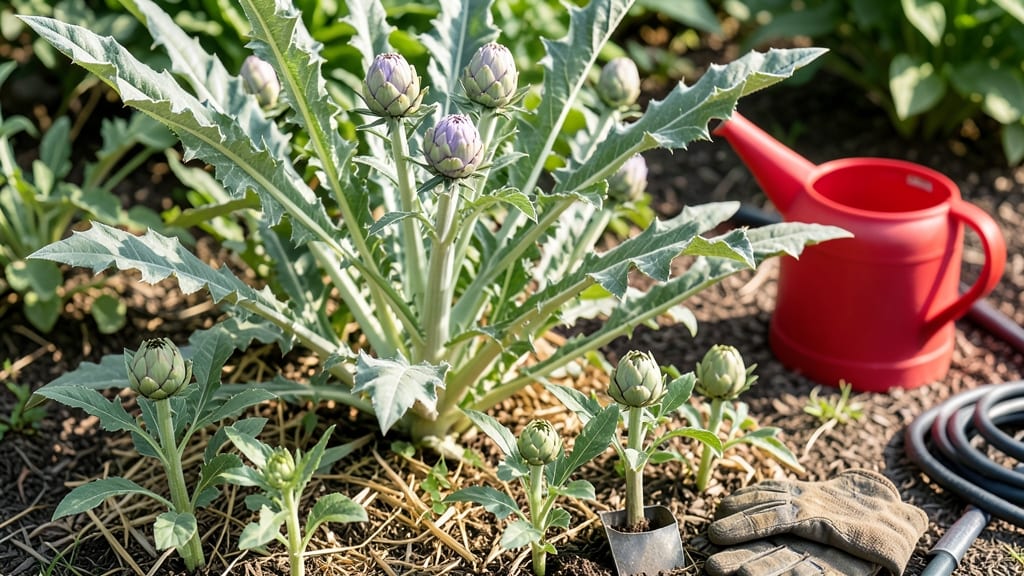
Planting artichokes in Arizona’s desert climate can feel like a gamble—until you know the perfect timing to beat the heat and frost.
The key lies in a narrow window between November and March, when cooler temperatures give your 🌱 artichoke plants the best shot at thriving before summer’s relentless sun.
Most gardeners in USDA Zone 9b miss the mark by planting too early or too late, risking stunted growth or bolting. But with the right strategy—like choosing cold-hardy varieties and prepping soil with compost—you can turn your backyard into a Mediterranean-style harvest zone.
Whether you’re in Phoenix’s low desert or Flagstaff’s high country, I’ll break down exactly when to plant for maximum yields, plus pro tips to keep your artichokes happy through Arizona’s tricky transitions. No more guesswork, just bold harvests.
Ready to grow artichokes that outshine the competition? Let’s dive into the science-backed schedule that’s already working for desert gardeners like you.
Best planting months for artichokes in Arizona’s climate zones
Arizona’s diverse climate zones—from the Low Desert to the High Desert—create unique challenges and opportunities for growing artichokes. Unlike cooler climates, Arizona’s winter months offer the perfect temperature range of 50°F to 70°F for successful germination and growth.
Planting outside these windows risks heat stress or poor establishment, so timing is everything.
Artichokes thrive in Arizona’s cooler winter months when daytime temperatures stay below 75°F. The Low Desert (Phoenix, Tucson) has a longer frost-free window, while the High Desert (Flagstaff, Prescott) experiences earlier frosts. Understanding these microclimate differences ensures you pick the right planting window for your location.
Here’s a breakdown of the optimal planting months for each Arizona climate zone, including temperature thresholds and frost-free timing:
For Low Desert gardeners, October is ideal for early varieties like 'Green Globe,' while March works for late varieties like 'Imperial Star.' In the High Desert, April–June planting aligns with soil warming and avoids late frosts.
Always check your local last frost date—Phoenix averages January 15, while Flagstaff’s last frost can linger until May 1.
Adjust for early vs. late varieties: Early varieties (e.g., 'Green Globe') mature in 120–150 days, making them perfect for fall planting in the Low Desert. Late varieties (e.g., 'Violetto') need 150–180 days and should be planted in late winter for a summer harvest in cooler zones.
If you’re using transplants from nurseries, time them to arrive 4–6 weeks before your target planting month. For example, order Low Desert transplants in September for an October start. Direct sowing is less common but works in well-prepared beds with consistent moisture.
Watch for soil temperature—artichokes need 55°F+ to germinate. Use a soil thermometer to confirm readiness. In High Desert areas, black plastic mulch can warm soil by 5–10°F, extending the planting window by 2–3 weeks.
Pro tip: Succession plant every 2–3 weeks in the Low Desert to stagger harvests. This ensures a continuous supply of fresh artichokes from March through May. Avoid planting in summer heat—artichokes bolting (premature flowering) is a common issue when temperatures exceed 80°F.
🌱
How to time artichoke planting for maximum desert yields
Arizona’s desert climate demands careful timing to grow artichokes successfully. The key is avoiding summer heat stress while maximizing cool-season growth. I’ve found that planting in late fall or early spring gives artichokes the best chance to thrive before temperatures climb above 90°F (32°C).
This approach extends your harvest window and reduces transplant shock.
For nursery starts, aim to plant 6-8 weeks before your last frost date—typically between November and early March in most Arizona zones. Direct sowing seeds works best in October or early November when soil temperatures stay below 75°F (24°C).
The goal is to give young plants time to establish roots before summer’s relentless sun arrives.
- 1 Soil Warming Trick: Use black plastic mulch 2-3 weeks before planting to raise soil temps by 10-15°F. This jumpstarts growth in cooler months and prevents chilling injury from overnight lows.
- 2 Shade Solutions: Protect young plants with 50% shade cloth during 10 AM-3 PM when UV index exceeds 8. Remove cloth by late February to harden off plants for full sun.
- 3 Companion Planting: Pair artichokes with basil or marigolds to repel artichoke plume moths. Avoid planting near potatoes or tomatoes, which compete for nutrients and attract similar pests.
- 4 Transplanting Tips: Harden off nursery starts for 7-10 days before planting. Water deeply 24 hours prior to reduce transplant shock. Bury stems 1 inch deeper than container level to encourage root growth.
- 5 Direct Sowing Secret: Plant seeds ½ inch deep in rows spaced 3 feet apart. Thin seedlings to 18 inches apart once they reach 6 inches tall. This spacing improves airflow and reduces fungal risks.
My top recommendation for Arizona gardeners is to plant Green Globe artichokes—they’re the most heat-tolerant variety and handle our 100°F+ (38°C+) days better than others. Start with transplants in November for an early spring harvest, then follow up with direct sowing in February for a second crop.
Don’t forget to mulch heavily with straw or wood chips to retain moisture and regulate soil temperature. I’ve seen yields double when using this technique in Phoenix’s Zone 9b. Just be sure to keep mulch 3 inches away from stems to prevent rot.
With these strategies, you’ll beat Arizona’s heat and enjoy plump, tender artichokes from March through May. The secret isn’t just timing—it’s giving your plants the right support to thrive in our challenging climate. Happy growing! 🌱