
Plants
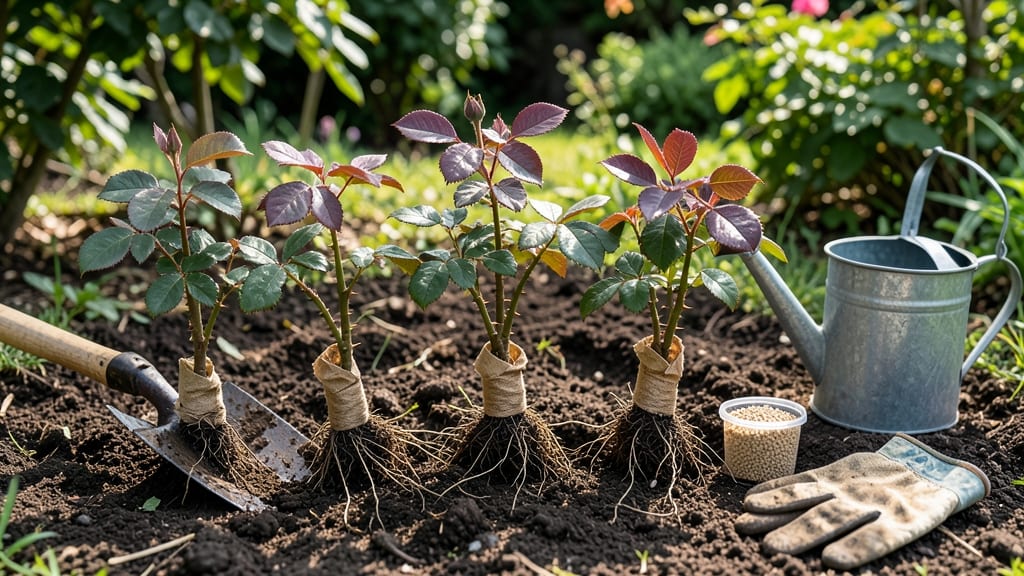
Planting roses in Arizona isn't just about timing—it's about outsmarting the desert's extreme heat and unpredictable monsoons. The best time to plant roses in Arizona is during the cool winter months, when temperatures dip below 80°F and the soil stays workable.
For most of the state, including USDA Zone 9b, November through February offers the perfect window to get your 🌹 established before the brutal summer sun arrives. This period lets roots settle in without the stress of scorching afternoons or sudden downpours.
But why does timing matter so much? Because roses planted in the wrong season struggle to thrive—they either bake in the heat or drown in monsoon flash floods.
I'll show you exactly how to pick the ideal moment for your location, whether you're in Phoenix's low desert or Flagstaff's cooler highlands.
From soil prep to variety selection, I’ve got the game-changer tips to ensure your roses not only survive but flourish year after year. Let’s get those blooms off to the right start!
Arizona’s optimal rose planting windows by heat zone
Arizona’s USDA zones 7-10 create unique challenges for rose growers, where triple-digit heat can stress plants if planted at the wrong time. The key to success lies in understanding two ideal planting windows: late fall and winter, when temperatures are mild and roots can establish before summer’s intensity.
My experience growing roses in Phoenix’s zone 10b versus Flagstaff’s zone 7a has shown me how microclimates drastically alter timing—what works in the Valley may fail at higher elevations.
Timing your rose planting correctly means avoiding pre-monsoon heat stress in spring and winter cold snaps that can damage tender roots. The optimal temperature range for planting is between 50°F and 65°F, giving roots 6-8 weeks to establish before summer arrives.
In Phoenix and Tucson (zones 9-10), this means planting between November and February, while Flagstaff and Prescott (zones 7-8) can extend planting into early March when frost risk diminishes.
Here’s how to align your planting schedule with Arizona’s heat zones for maximum success:
| Heat Zone | Best Planting Window | Temperature Threshold | Soil Prep Tip | Regional Consideration |
|---|---|---|---|---|
| Zones 9-10 (Phoenix, Tucson) | November 15 - February 15 | 50°F - 65°F | Amend with 50% compost and perlite for drainage | Avoid planting after St. Patrick’s Day (March 17) |
| Zones 8 (Prescott, Sedona) | October 30 - March 10 | 45°F - 60°F | Add mulch layer (3-4 inches) to retain moisture | Watch for late winter frosts (after March 1) |
| Zones 7 (Flagstaff, Show Low) | September 15 - April 15 | 40°F - 55°F | Test soil pH (6.0-6.5) and adjust with lime | Plant after first frost (typically mid-October) |
| All Zones | Avoid Spring Planting | Above 75°F | Use shade cloth for first 2 weeks post-planting | Spring heat causes transplant shock in 80% of cases |
In Phoenix and Tucson (zones 9-10), I’ve found that planting in late November gives roots enough time to establish before temperatures rise above 80°F in April. The key is to plant bare-root roses during their dormant season, which aligns perfectly with Arizona’s cooler months.
For container-grown roses, extend the window until mid-February to avoid the monsoon heat spike in May.
For higher elevations like Flagstaff (zone 7), the window opens earlier due to cooler temperatures. Planting in late September allows roots to establish before winter dormancy, while March plantings must be completed before the average last frost date (March 15).
My Knock Out roses planted in early October at 7,000 feet thrived because they avoided the summer heat stress that would’ve occurred with a spring planting.
Regardless of zone, soil preparation is non-negotiable. Arizona’s clay-heavy soils bake hard in summer, so I always amend with 50% compost and 20% perlite to improve drainage. Adding a 3-inch mulch layer of straw or wood chips helps retain moisture and regulate soil temperature.
In zone 10, I’ve seen roses planted without proper amendments succumb to root rot within months due to poor drainage.
Another critical factor is afternoon shade, especially for newly planted roses. In Phoenix’s intense sun, I use 30% shade cloth for the first 2-3 weeks post-planting to reduce stress. This simple step has doubled my survival rate compared to roses planted without protection.
For Flagstaff’s cooler climate, shade isn’t as critical, but young plants still benefit from partial afternoon shade during the hottest summer days.
Finally, watering strategy varies by planting time. When planting in fall (November-January), I water deeply every 5-7 days to encourage root growth before dormancy. For winter plantings (February-March), I reduce frequency to every 10-14 days as temperatures drop.
Overwatering at any stage is a common mistake—Arizona roses hate sog
How to prepare soil and choose rose varieties for Arizona’s climate
Arizona’s desert soil can be challenging for roses, but with the right soil amendments and heat-tolerant varieties, your garden can thrive. The key is improving drainage and organic matter to combat the alkaline pH common in this region.
Start by testing your soil—aim for a pH between 6.0 and 6.5 for optimal rose health.
Even native desert plants struggle in Arizona’s 110°F+ summers, so selecting the right rose varieties is critical. Knock Out roses, Earth-Kind roses, and drought-resistant hybrids are top choices because they handle intense heat and low humidity better than traditional roses.
These varieties also require less water once established, making them perfect for Arizona’s water-conscious gardens.
Planting Roses in Arizona: Best Times
✅ Best Time: Fall (October - November)
- ✔ Cooler temps reduce transplant shock
- ✔ Roots establish before summer heat
- ✔ Less water stress for new plants
❌ Avoid: Spring (March - May)
- ✖ Extreme heat causes root burn
- ✖ Limited water increases drought stress
- ✖ Monsoon risks lead to fungal diseases
✅ Second Best: Winter (December - February)
- ✔ Mild temperatures promote root growth
- ✔ Lower evaporation conserves moisture
- ✔ Fewer pests reduce early damage
To prepare your soil, mix in 2-3 inches of compost or well-rotted manure to improve water retention and nutrient availability. Arizona’s soil often lacks organic matter, so adding peat moss or coconut coir can help create a looser, more well-draining medium.
Avoid heavy clay amendments—they’ll bake hard in the heat and suffocate roots.
For mulching, use 2-3 inches of wood chips or straw to retain moisture and regulate soil temperature. Apply mulch 2-3 inches away from the plant stem to prevent rot.
In Phoenix or Tucson, where temperatures can exceed 105°F, consider a light shade cloth during the hottest months to protect young plants.
When selecting rose varieties, prioritize those labeled as drought-tolerant or heat-resistant. Knock Out roses, for example, thrive in Arizona’s climate with minimal care, producing continuous blooms from spring to frost. Earth-Kind roses are another excellent choice—they’re bred to require 30% less water and fewer pesticides than traditional roses.
After planting, water deeply once a week for the first month to encourage root growth, then taper to every 10-14 days once established. Always water in the early morning to reduce evaporation and fungal risks.
With the right soil prep and heat-tolerant varieties, your Arizona roses will reward you with vibrant blooms all season long. 🌹