
Plants
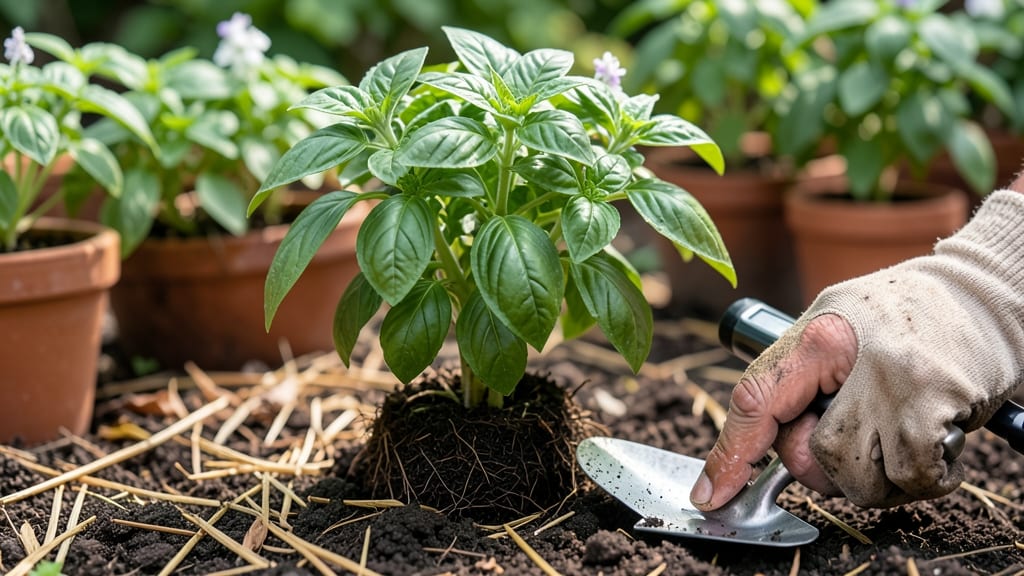
Planting basil in North Carolina at the wrong time means watching your 🌿 dreams wither before summer even arrives.
The key to lush, flavorful harvests from June through September starts with knowing exactly when to get those seeds in the ground - and it's not as simple as waiting for spring.
Most gardeners in zones 7-8 make the mistake of planting too early, only to have cold soil stunt their basil's growth.
The ideal window runs from April 15 through May 15, right after your last frost date - which varies dramatically across the state from the mountains to the coast.
What sets NC apart is how quickly summer heat arrives, turning delicate basil into a sad, leggy shadow if you're not prepared. I'll show you how to time your planting for maximum heat resilience, whether you're growing in containers or directly in the garden bed.
From choosing the right varieties to protecting your plants during those 90°F+ stretches, this guide gives you the exact strategies North Carolina gardeners use to keep their basil thriving when others give up. Let's get those plants growing the right way from day one.
North Carolina heat zones: when to plant basil by last frost dates
North Carolina spans USDA hardiness zones 6a through 8b, but basil thrives best in zones 7b and 8a—where the growing season stretches from late spring through fall. The key to zero-frost success? Planting after the average last frost date, which varies by region.
In the mountains (zone 6a-7a), wait until mid-April, while coastal areas (zone 8a) can start as early as early April. Timing this right ensures your basil avoids cold snaps while maximizing summer harvests.
Basil is a warm-season herb that bolts (goes to seed) when stressed by cold. Even a light frost can damage young plants, so soil temperature matters more than air temperature. Aim to plant when soil reaches at least 50°F.
Use a soil thermometer to check—especially in containers, which heat up faster than in-ground beds. In zone 8a, this typically aligns with mid-April to early May, while zone 7b gardeners should wait until late April to early May.
🌱
For container gardening, basil can be planted 2-4 weeks earlier than in-ground because containers warm up faster. Place pots in south-facing spots and use black fabric to darken the soil, raising temperatures by 5-10°F.
In zone 7b, this lets you start containers by mid-April, while in-ground beds wait until late April. Pro tip: Use 5-gallon pots for each plant—basil has shallow roots but needs room to spread.
Basil’s ideal growing window in NC runs from late spring to early fall, but summer heat can stress plants. To avoid bolting (flowering too soon), plant successive crops every 2 weeks from April through June.
By July, focus on container-grown basil and move pots to partial shade to prevent wilting. In zone 8a, you can even squeeze in a fall crop by planting mid-August for harvests before the first frost.
One common mistake? Planting basil too early in cool soil. Cold soil slows germination and makes seedlings leggy and weak. Always check soil temp with a thermometer—if it’s below 50°F, wait.
Another tip: Hardening off seedlings for 5-7 days before transplanting reduces shock. Acclimate them to outdoor conditions by placing them in partial shade during the day and bringing them in at night.
If you’re in zone 6a (like the highest mountain areas), consider starting basil indoors in March using grow lights. Transplant outdoors only after the last frost date, typically mid-May. Use row covers for extra protection if nights dip below 50°F.
For zone 8a gardeners, you can even direct-sow basil as early as February in a protected microclimate, like a greenhouse or sunny patio.
Remember, basil hates cold feet—even a brief frost can kill young plants. Monitor local forecasts and use frost cloth if an unexpected cold snap hits. In zone 7b, this is especially critical in May, when late frosts can still occur.
For container gardeners, move pots to a protected location (like a garage or under a porch) if frost is forecasted, then return them once temperatures rise.
By following these heat zone guidelines, you’ll ensure your basil gets a strong start and avoids the pitfalls of early planting or summer stress. Whether you’re in the cool mountains or warm coast, timing is the secret to b
How to extend basil's growing season in NC: staggered planting & cold protection
North Carolina's unpredictable spring frosts and sweltering summer heat can sabotage basil harvests if you don't plan ahead. The key to continuous basil production? Staggered planting and smart cold protection.
By starting seeds indoors and using row covers, you can enjoy fresh basil from late spring through early fall, even in NC's USDA zones 7b-8a.
I've learned through trial and error that indoor starts give you a 4-6 week head start on the season. This means your first plants will be ready to harvest just as outdoor conditions become ideal.
Plus, heat-tolerant varieties like Genovese and Thai basil can handle NC's summer heat better than standard types. Let's break down exactly how to make this work for your garden.
- 🌱 Start seeds indoors 6-8 weeks before your last frost date (typically March 15 in NC). Use grow lights for 12-14 hours/day to prevent leggy seedlings.
- 🌡️ Hardening off seedlings 7-10 days before transplanting by placing them outside during mild days (50-60°F) and bringing them in at night.
- 🌿 Use row covers for early outdoor plantings (after last frost) to protect from late spring frosts (common in NC's mountain regions). Remove covers when temps stay above 55°F.
- ☀️ Choose heat-tolerant varieties like Thai basil or Lemon basil for summer planting. These handle NC's 90°F+ temps better than standard Genovese.
- 📅 Stagger plantings every 2 weeks from April through August. This ensures a continuous harvest as older plants bolt in the heat.
For container growing, which works especially well in NC's urban areas, I recommend using 5-gallon pots with well-draining soil. Move containers to shaded areas during peak afternoon heat (1-4 PM) to prevent wilting.
A 50% shade cloth can extend summer production by 2-3 weeks compared to full sun exposure.
Don't overlook mulching—a 2-inch layer of straw or wood chips helps maintain even soil temperatures and reduces watering needs. In my garden, mulched basil plants stay 20% more productive during NC's hot, dry summers because they retain moisture better.
Pair this with drip irrigation set to water in the early morning to avoid fungal issues from evening moisture.
When fall frosts threaten (usually mid-November in NC), you can still salvage your basil harvest. Bring potted plants indoors to a sunny window or under grow lights for indoor winter growing.
With proper care, you might extend your harvest another 6-8 weeks before the plant goes dormant. Just be prepared to reduce watering and stop fertilizing as daylight hours shorten.
Remember, basil's flavor peaks when grown in cool but sunny conditions. By using these strategies, you'll have fresh basil for pesto, salads, and cooking from late spring through early fall—without the disappointment of wilted plants.
The secret? Timing and protection are your best friends in NC's changing climate. 🌿