
Trees
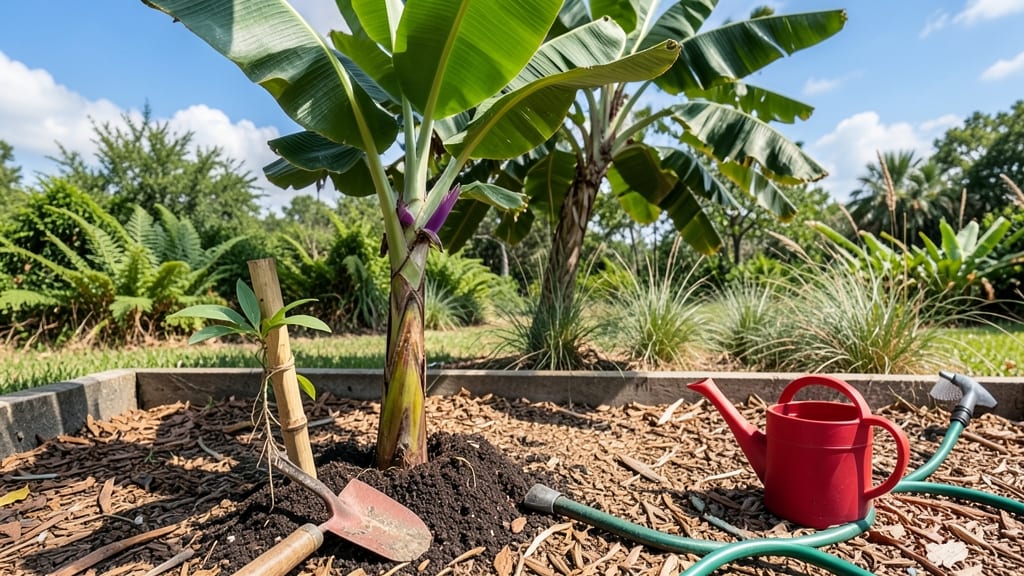
Planting a banana tree 🍌 in Florida isn't just possible—it's a year-round opportunity, but getting the timing right can make all the difference between a lush, fruit-bearing giant and a struggling sapling.
Unlike other states, Florida's frost-free climate means you can start anytime, but regional microclimates create subtle shifts in the best planting windows.
If you're in North Florida, where summer heat can be intense, early spring or late fall gives young plants time to establish roots before peak temperatures. Meanwhile, Central Florida gardeners have more flexibility, with ideal conditions stretching from winter through early summer.
Down south? You're basically planting on a calendar with no off-season—just watch for hurricane season disruptions.
What I’ve learned from growing banana trees in Florida’s diverse zones is that soil prep and sunlight matter just as much as timing. The key is choosing a window when temperatures stay consistently warm—typically after the last cold snap, even if that’s just a rare night in January.
Let me show you exactly how to align your planting schedule with your region’s unique growing rhythm for the healthiest, most productive banana trees.
Whether you're a first-time grower or a seasoned gardener, these microclimate-specific strategies will help you avoid common pitfalls like poor root development or stunted growth. Ready to turn your backyard into a tropical oasis? The best time to plant is now—just follow these regional guidelines for success.
Best planting months for banana trees in Florida’s 3 microclimates
Florida’s frost-free climate makes it one of the best places to grow banana trees year-round, but not all months are equal. The state’s three distinct microclimates—North, Central, and South—create unique growing conditions that affect your planting timeline.
In North Florida, cooler winters and occasional light frosts (rare but possible) demand earlier planting, while South Florida’s tropical heat allows more flexibility. Let’s break down the ideal windows for each region to ensure your banana trees thrive from sapling to harvest.
For North Florida (USDA Zones 8a-9a), the best time to plant is late February through April, when soil temperatures consistently stay above 60°F (15°C).
This window avoids the last frost risk (typically around February 15) and gives young plants time to establish before summer’s peak heat. Central Florida (Zones 9a-9b) offers a wider window from January to May, while South Florida (Zones 10a-11) can plant year-round, though spring and fall are ideal for avoiding hurricane season disruptions.
Soil temperature is the most critical factor. Banana trees need warm roots to grow, so wait until soil reaches at least 65°F (18°C) at a depth of 4 inches. In North Florida, this usually happens by mid-March, while South Florida’s soil stays warm year-round. Use a soil thermometer to check—planting too early in cool soil leads to root rot and poor establishment.
| Region | Best Planting Window | Soil Temp Threshold | Key Considerations |
|---|---|---|---|
| North Florida | Late February–April | 60°F+ (15°C) | Avoid frost risk; mulch for winter protection |
| Central Florida | January–May | 65°F+ (18°C) | Balanced humidity; watch for summer storms |
| South Florida | Year-round (peak: spring/fall) | 70°F+ (21°C) | Hurricane season (June–Nov) may delay planting |
In North Florida, focus on dwarf varieties like ‘Dwarf Cavendish’ or ‘Red Dacca’ for easier management. These varieties tolerate cooler temperatures better than tropical types and produce fruit faster, often within 9-12 months.
Plant in well-draining soil with a slightly acidic pH (5.5-6.5) and amend with compost to improve fertility. Mulch heavily in winter to protect roots from temperature fluctuations.
For Central Florida, the January-May window aligns with the dry season, reducing fungal diseases like banana wilt. This region’s higher humidity means you’ll need to monitor for pests like banana aphids and sigatoka leaf spot.
Choose a sheltered location to protect young plants from afternoon thunderstorms, which can uproot shallow roots. Varieties like ‘Ice Cream’ or ‘Bluggoe’ thrive here and offer year-round fruiting with proper care.
South Florida’s tropical climate allows planting at any time, but spring (March-May) and fall (September-November) are ideal. Avoid planting during hurricane season (June-October), as young trees are vulnerable to wind damage and flooding. If you plant in summer, provide extra shade for the first month to reduce transplant shock. Varieties like ‘Lady Finger’ or ‘Mysore’ excel here, producing smaller but sweeter fruit in 6-9 months.
No matter where you plant, water deeply after planting to settle soil around roots, then maintain 1-2 inches of water weekly. Banana trees in containers dry out faster—check soil moisture daily in summer.
Fertilize lightly with a balanced 6-6-6 formula 4-6 weeks after planting, then every 2 months during growing season. In North Florida, reduce fertilization in winter to avoid overstimulating growth before dormancy.
Timing your planting by microclimate isn’t just about avoiding frost—it’s about aligning growth cycles with Florida’s seasonal patterns. In North Florida, planting in spring ensures bananas mature before summer’s heat stress, while South Florida’s fall planting lets trees establish before winter rains.
Central Florida’s extended window gives flexibility, but avoid planting in peak summer when intense heat can cause leaf scorch.
Pro tip: Use mulch 3-4 inches deep around the base of your banana tree to retain moisture and regulate soil temperature. In North Florida, use straw or pine needles; in South Florida, opt for shredded bark to prevent fungal growth.
This simple step can double your success rate by protecting roots from extreme temperatures and reducing weeds.
Remember, banana trees are fast growers—some varieties reach 10 feet in a year! But rushing planting in cool months leads to stunted growth and poor fruiting.
Follow your microclimate’s ideal window, and you’ll enjoy homegrown bananas within a year, whether you’re in Pensacola, Orlando, or Miami. 🍌
How Florida’s microclimates affect banana tree growth and fruit production
Florida’s diverse microclimates create distinct growing conditions for banana trees, where humidity levels, temperature fluctuations, and seasonal rainfall play critical roles in fruit production. In North Florida, cooler winters and higher humidity can slow growth, while Central Florida offers ideal year-round warmth with occasional dry spells.
Meanwhile, South Florida’s tropical climate accelerates growth but demands extra care during hurricane season.
Each banana variety responds differently to these conditions.
The Cavendish variety thrives in Central Florida’s balanced climate, producing fruit year-round with minimal dormancy. Red Dacca bananas prefer South Florida’s heat but need protection from salt spray near coastlines. Ice Cream bananas adapt well to North Florida’s cooler winters but require extra mulching to retain warmth.
Temperature swings are the biggest challenge across all regions. In North Florida, temperatures can dip below 50°F in winter, causing leaf yellowing and slowed growth. Central Florida stays above 60°F year-round, perfect for consistent flowering. Meanwhile, South Florida’s summer heat above 90°F can stress trees without proper shade and irrigation.
| Microclimate | Key Conditions | Best Varieties | Growth Impact |
|---|---|---|---|
| North Florida | Cooler winters (50-60°F), high humidity | Ice Cream, Red Dacca | Slower growth; needs winter mulch |
| Central Florida | Warm year-round (60-85°F), moderate rain | Cavendish, Bluggoe | Consistent growth; ideal for year-round harvests |
| South Florida | Hot summers (85-95°F), hurricane risks | Red Dacca, Monthan | Fast growth; needs shade and wind protection |
Humidity levels also influence fruit production timing. In South Florida’s 80-90% humidity, bananas ripen 30-50% faster than in drier Central Florida.
This means harvest windows shift—South Florida gardeners may see multiple harvests per year, while Central Florida enjoys staggered production. North Florida’s lower humidity can delay ripening, extending the growing season but reducing yield per cycle.
Seasonal patterns further complicate planting. In North Florida, plant Cavendish varieties in March to avoid winter chills, while South Florida allows year-round planting but prioritizes June-July for hurricane-resistant root establishment. Central Florida’s ideal window is February-April, aligning with natural rainfall increases that reduce irrigation needs.
Understanding these microclimate effects lets you time planting and harvesting for maximum success. For example, Red Dacca bananas in South Florida may produce fruit 6-8 months after planting, while the same variety in North Florida takes 8-10 months.
Adjust your fertilizer schedule and watering frequency based on your region’s unique patterns to keep trees thriving year-round.
By matching your banana variety to your local microclimate, you’ll enjoy healthier plants, bigger yields, and longer harvest seasons—no matter where in Florida you garden. 🌱🍌