
Flowers
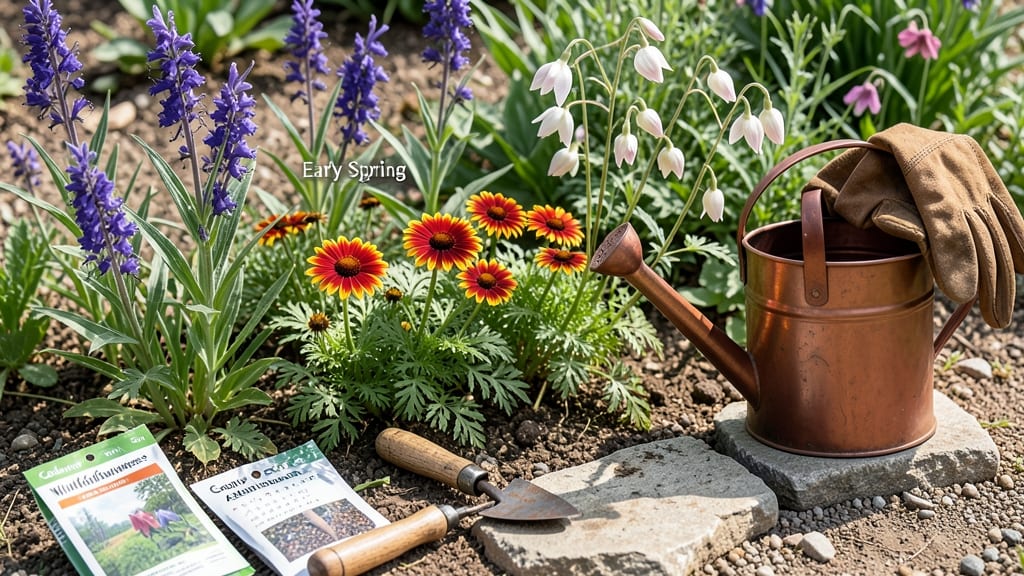
Timing your flower planting in Colorado isn’t just about the calendar—it’s about outsmarting frost, altitude shifts, and those sudden spring storms that can turn your garden dreams into a frozen mess.
With USDA zones 4-7 across the state, what works in Denver’s 5b might fail in Colorado Springs’ 5a—or even your neighbor’s backyard just a few miles away.
Most gardeners wait until April 15 to May 30 for spring planting, but that’s a one-size-fits-none rule here. The best time depends on your microclimate, soil temperature, and whether you’re growing frost-sensitive annuals like petunias or hardy perennials like coneflowers.
Miss the mark, and you’ll either have wilting seedlings or blooms that never materialize.
I’ll break down the exact months to plant based on your region—plus how to use soil thermometers and frost prediction tools to fine-tune your schedule. No more guessing whether your 🌸 marigolds will survive the next cold snap.
Ready to turn your Colorado garden into a year-round showstopper? Let’s get into the zero-frost planting windows that actually work for your corner of the state.
Colorado’s frost-free planting zones by region: when to plant annuals for maximum bloom success
Colorado’s diverse geography means your last frost date can vary by 1000+ feet in elevation—even within the same city. For frost-sensitive annuals like petunias, marigolds, and zinnias, planting too early risks freezing seedlings, while waiting too long shortens your bloom season.
Let’s break down the four key regions and their ideal planting windows.
Each Colorado microclimate has distinct frost-free periods. The Front Range (Denver, Boulder) typically sees its last frost around April 15-20, while the Western Slope (Grand Junction, Aspen) warms up 2-3 weeks earlier.
Meanwhile, the Eastern Plains (Lamar, Sterling) can plant 1-2 weeks later due to later frost dates, and the High Country (Leadville, Vail) often waits until May 15 or later.
| Region | Last Frost Date | First Frost Date | Spring Planting Window | Fall Planting Window |
|---|---|---|---|---|
| Front Range (Denver, Boulder, Fort Collins) | April 15-20 | October 10-15 | April 25 - May 15 | September 1 - September 20 |
| Western Slope (Grand Junction, Durango, Aspen) | April 1-10 | October 20-30 | April 15 - May 10 | September 15 - October 10 |
| Eastern Plains (Lamar, Sterling, Greeley) | April 25 - May 5 | October 5-10 | May 10 - May 25 | August 20 - September 10 |
| High Country (Leadville, Vail, Steamboat Springs) | May 15-30 | September 15-25 | June 1 - June 15 | August 1 - August 15 |
For the Front Range, aim to plant after April 25—this gives your zinnias and cosmos time to establish roots before potential late frosts.
In Denver’s USDA Zone 5b, I’ve found that marigolds planted by May 1 consistently bloom by early June, while petunias need until May 15 to avoid frost damage.
The Western Slope enjoys earlier planting due to its warmer microclimate. Here, geraniums and snapdragons can often handle April 15 plantings, especially in Grand Junction’s Zone 6a. However, high-desert areas like Durango may still experience late May frosts, so monitor local forecasts.
On the Eastern Plains, where nights stay chilly longer, I recommend waiting until May 10 for heat-loving annuals like sunflowers and lantanas. The drier climate here means you’ll also need to water deeply 2-3 times per week once planted to prevent transplant shock.
The High Country presents unique challenges with its shorter growing season. Focus on cold-hardy annuals like pansies and sweet alyssum, which can tolerate brief frosts. For most other annuals, wait until June 1 to ensure 60+ frost-free days before the first frost hits in mid-September.
Pro tip: Use Colorado State University’s frost probability maps to fine-tune your dates. I always check the 10% frost risk threshold—this gives me confidence that my marigolds won’t get nipped by surprise frost. Pair this with a soil thermometer to confirm temperatures are above 50°F at 4-inch depth.
For fall planting, the rules reverse. The Western Slope can plant zinnias until October 10, while the Front Range should finish by September 20.
In the High Country, limit fall plantings to hardy varieties like stock or calendula, and plant by August 15 at the latest.
Remember: Elevation matters more than latitude in Colorado. A garden at 5,280 feet (Denver) will have different frost dates than one at 7,500 feet (just 20 miles away). Always adjust your planting calendar based on your specific elevation and recent weather patterns.
🌱 Start with
How to adjust planting times for Colorado’s unpredictable weather: using soil temperature and frost probability tools
Colorado’s last frost dates can swing by weeks, leaving gardeners guessing whether to plant marigolds or petunias in April or wait until May.
Instead of relying on averages, I use three key tools to fine-tune my planting schedule: Colorado State University’s frost probability maps, soil thermometers, and local weather station alerts. These tools help me avoid late-spring freezes that can devastate tender seedlings.
First, I check the CSU Frost Probability Tool (available on their [Colorado Climate Center](https://climate.colostate.edu)) to get a 10-day frost forecast for my specific zip code. This tells me exactly when the risk drops below 10%.
For Denver (Zone 5b), this often lands in late April, but in Grand Junction (Zone 7a), I can plant two weeks earlier. Pairing this with a soil thermometer ensures I’m not planting too soon—60°F soil is the magic number for most annuals.
- Step 1: Check CSU’s frost probability for your exact location—aim for ≤10% risk of frost in 10 days.
- Step 2: Use a soil thermometer to confirm 60°F+ soil at 4-inch depth (critical for seed germination).
- Step 3: Monitor nighttime lows via local weather stations (e.g., NOAA or Weather Underground)—wait until 50°F+ consistently.
- Step 4: For high-altitude gardens (e.g., Aspen, 8,000+ ft), delay planting by 2–3 weeks or use row covers to extend the season.
- Step 5: If frost threatens after planting, cover tender seedlings with frost blankets or cold frames (can add 4–6°F protection).
For fall planting, I reverse the process. I start by checking the first frost date (typically October 15 in Denver but September 20 in Montrose) and then count backward. Most cool-season flowers like pansies or snapdragons need 6–8 weeks to mature before frost hits.
I also use a minimum/maximum thermometer to track nighttime temperatures—if they dip below 40°F, I delay planting or opt for hardier varieties like stocks or calendulas.
Pro tip: I’ve found that row covers (like Reemay fabric) can push my planting window 2–3 weeks earlier in spring or 2 weeks later in fall.
For example, I planted geraniums under a cover in mid-April in Fort Collins and had blooms by June 1—a full month ahead of schedule! Just remember to secure edges with bricks or soil to prevent wind damage.
Don’t forget to calibrate your tools annually. Soil thermometers can drift, and frost models update with new data. I cross-check my CSU predictions with local gardener reports (like those on GardenWeb forums) to refine my timing.
Last year, a neighbor in Colorado Springs warned me about a late-May freeze—her tip saved my begonias from damage.
With these tools, I’ve turned Colorado’s unpredictable weather into an advantage. Instead of guessing, I plant with confidence, knowing my zinnias and cosmos will thrive—no matter what Mother Nature throws at us. 🌸