
Trees
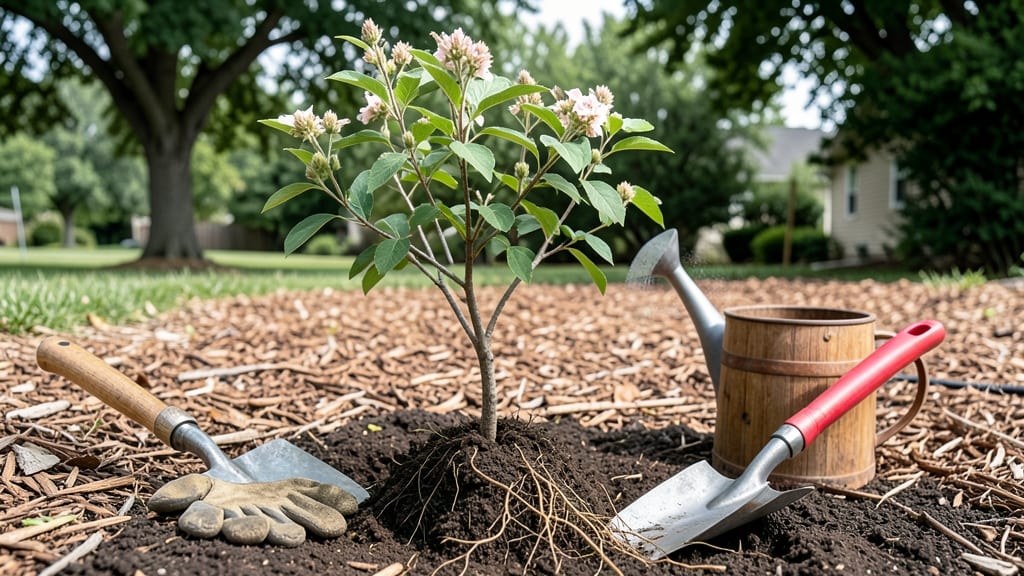
If you’re dreaming of a Dogwood Tree 🌳 gracing your Texas yard with its stunning spring blooms, timing your planting could make all the difference between a thriving shade provider and a struggling underperformer.
Texas’s unpredictable climate—from scorching summers to occasional winter freezes—means planting too early or too late can stress your tree before it even takes root.
The best window for planting in most of Texas is late fall to early spring, when cooler temperatures and consistent moisture give young roots the ideal conditions to establish.
But not all regions are created equal. Whether you’re in the humid East, the drought-prone West, or the variable Central or North Texas zones, the optimal months shift slightly.
Let’s break down the exact timing and tips to ensure your Dogwood Tree gets off to the strongest start possible.
From soil prep to watering strategies, I’ll share the critical factors that separate a healthy, long-lived tree from one that fades before it reaches its full potential. Ready to plant with confidence?
Best planting months for dogwood trees in Texas by region
Texas gardeners know timing is everything when planting dogwood trees (Cornus florida), especially with our diverse climates from arid West Texas to humid East Texas. Planting too early risks frost damage, while late planting exposes young roots to summer heat stress.
I’ve broken down the ideal planting windows by region to help you choose the perfect time for your dogwood’s success.
Dogwoods thrive when planted during cooler months when soil temperatures stay below 70°F. This gives roots time to establish before Texas’s intense summer heat arrives. Each region has unique frost patterns and soil conditions, so let’s dive into what works best for your area.
North Texas (Dallas/Fort Worth) gardeners have a wider planting window thanks to milder winters. Central Texas (Austin/San Antonio) faces moderate drought risks in winter, while West Texas (Lubbock/Abilene) demands early planting to avoid summer’s brutal heat. Let’s compare these regions in detail.
| Region | USDA Hardiness Zones | Optimal Planting Window | Key Considerations | Average First Frost Date |
|---|---|---|---|---|
| North Texas (Dallas/Fort Worth) | 7b-8a | November–February | Cool soils, minimal drought risk | Mid-November |
| East Texas (Houston/Tyler) | 8a-9a | December–February | Higher humidity, watch for early spring warmth | Late December |
| Central Texas (Austin/San Antonio) | 8a-8b | November–January | Moderate drought risk in winter | Mid-November |
| West Texas (Lubbock/Abilene) | 7a-7b | September–October | Avoid summer heat; irrigate carefully | Mid-November |
In North Texas, planting between November and February gives dogwoods time to establish roots before spring warmth arrives. The cool soil temperatures reduce drought stress, making this window ideal. East Texas gardeners should aim for December to February due to higher humidity and earlier spring warmth.
Central Texas offers a November to January window, but be mindful of winter droughts. Watering consistently during these months is key. West Texas stands out with its September to October window—planting earlier avoids summer heat stress, which can be deadly for young dogwoods.
If you’re in USDA Zone 8a or warmer, like East or Central Texas, avoid planting in late winter. Early spring warmth can trick dogwoods into premature growth, only to be damaged by unexpected late frosts.
I recommend checking local frost date averages and planting at least 6 weeks before the last expected frost.
For container-grown dogwoods, you have more flexibility—plant anytime during the recommended windows. However, bare-root trees must be planted immediately after purchase to prevent root desiccation. Always water deeply after planting to encourage root growth into the surrounding soil.
One common mistake I see is planting dogwoods in summer or late spring. The intense Texas sun and heat can cause transplant shock, leading to wilting or even death.
If you miss the ideal window, wait until the next fall—your dogwood will thank you with vibrant blooms and healthy growth.
Pro tip: If you’re unsure about your local frost dates, check the Texas A&M AgriLife Extension website or contact your county extension office. They provide hyper-localized advice tailored to your specific area’s microclimate. With the right timing, your dogwood will grow into a stunning shade tree for decades.
Critical factors that determine dogwood planting success in Texas
Timing your dogwood tree planting isn't just about picking a month—it's about preparing your Texas soil and understanding the unique challenges our climate throws at these delicate trees. Dogwoods thrive in cool-season planting when roots can establish before summer's brutal heat or winter freezes.
But Texas offers more than just seasonal hurdles—clay soil compaction, deer browsing, and fungal diseases all demand special attention.
I've planted dogwoods across three Texas regions, and the difference between a flourishing specimen and a struggling underperformer often comes down to these critical factors. Let's break down what truly matters beyond just choosing a planting month.
The right preparation can mean the difference between a tree that needs constant babying and one that grows into a low-maintenance shade provider for decades.
🌱 Critical Success Factors
Amend heavy Texas clay with 30% organic matter (compost or peat moss) and ensure well-draining soil. Dogwoods hate soggy roots—they'll rot if water pools.
Deep water 2-3 times per week for the first year. Use drip irrigation or soaker hoses to avoid fungal diseases from overhead watering.
Containers let you plant fall or winter but need 15+ gallon pots. Bare-root is cheaper but must be planted immediately—don't let roots dry out.
Deer will munch young dogwoods—use repellent sprays. Prune for airflow to prevent fungal diseases. Provide afternoon shade first year to protect from heat.
One mistake I see Texas gardeners make is skipping soil amendments for their native clay. Dogwoods need well-aerated soil, and Texas clay is notorious for compacting. Before planting, mix in 3-4 inches of compost and consider adding gypsum if your soil tests show high sodium levels.
I've seen dogwoods planted in unamended clay struggle for years—roots can't penetrate properly, leading to stunted growth and poor drought tolerance.
The watering schedule is another area where Texas gardeners often go wrong. New dogwoods need consistent moisture but will rot if overwatered. My rule is deep watering 2-3 times per week during establishment, then tapering to weekly deep soaks once established.
Always water in the morning to prevent fungal diseases that thrive in damp evening conditions. Mulching with 3 inches of organic mulch helps retain moisture while keeping roots cool.
Choosing between container-grown and bare-root dogwoods affects your planting flexibility. Container-grown trees give you a longer planting window (fall through early spring) but require larger pots (minimum 15 gallons). Bare-root options are more budget-friendly but must be planted immediately—don't let those roots dry out!
I've had success with both methods, but container-grown trees often transplant more easily in our heavy Texas soils.
Texas-specific challenges like deer browsing and fungal diseases can derail even the best-planted dogwood. Deer love young dogwoods, so I recommend using commercial repellents or planting near deer-resistant companions like boxwoods.
For fungal diseases, proper pruning techniques (removing crossing branches) and airflow circulation are key. And remember—first-year dogwoods need afternoon shade to survive our brutal summers!
When I planted my Texas native dogwood in Central Texas last November, I focused on these critical factors: amended soil, morning watering, container planting for flexibility, and protective shading.
The result? A healthy 4-foot tree this spring with no signs of stress. The difference between success and failure often comes down to these details—don't skip them!