
Plants
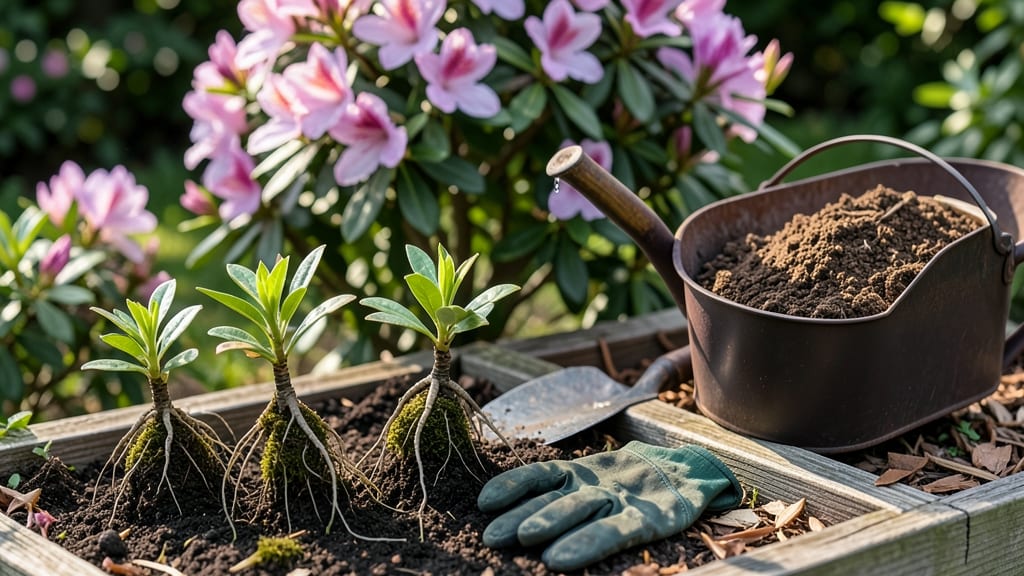
Planting azaleas in Zone 9 feels like a gamble—too early, and the heat zaps their roots; too late, and they miss their bloom window. The real trick isn’t just picking a season but matching your variety to chill hours, the secret ingredient for vibrant 🌸 blooms in warm climates.
Most gardeners in Zone 9 default to spring planting, but that’s where things go wrong. Azaleas need a cool-down period to set buds, and skipping that step means fewer flowers—or none at all.
I’ve learned the hard way that timing isn’t one-size-fits-all; it’s about understanding your microclimate and the specific needs of your azalea type.
In this guide, I’ll break down the best planting windows for Zone 9, from late fall to early spring, and how to choose varieties that thrive without freezing.
You’ll also discover how to prep your soil and protect your plants from heat stress, so your azaleas don’t just survive—they thrive.
Ready to transform your garden into a year-round azalea paradise? Let’s dive into the strategies that actually work for Zone 9’s unique challenges.
Optimal planting windows for azaleas in Zone 9 by chill-hour needs
Zone 9’s warm winters make planting azaleas tricky—most varieties need chill hours to bloom properly. Unlike cooler zones, you can’t just plant in fall or spring. High-chill azaleas (450+ hours) need precise timing, while low-chill types (under 300 hours) offer more flexibility.
Let’s break down the best windows based on your azalea’s needs.
First, understand that chill hours are the number of hours below 45°F (7°C) your azalea experiences. Zone 9 typically has 200-500 chill hours, but coastal areas may get as few as 100-200 hours.
This means high-chill varieties (like Rhododendron 'Birkdale') might struggle unless planted in high-elevation microclimates or coastal areas with cooler nights.
Comparison Table: Optimal Planting Windows by Chill-Hour Needs
For high-chill azaleas, planting in late fall (October-November) gives roots time to establish before Zone 9’s unpredictable winters. I’ve seen 'George L. Taber' thrive when planted in December in inland areas, but coastal growers should push to November to avoid winter heat waves that can shock roots.
If you’re planting low-chill varieties like 'Southern Indica', spring planting (February-April) works best. These azaleas bloom on new wood, so they don’t need dormancy. I’ve had success planting 'Hino Crimson Beauty' in March—just make sure to mulch heavily to retain moisture during Zone 9’s dry springs.
One mistake I see often is planting high-chill azaleas in spring. They’ll grow leaves but skip blooming because they didn’t get enough chill hours. Always check your local chill-hour map (available from your Cooperative Extension Service) before choosing varieties.
For example, Los Angeles (Zone 9b) averages 300 chill hours, while Phoenix (Zone 9a) gets only 150-200 hours.
Pro tip: Use shade cloth (30-50%) during the first 60 days after planting to protect delicate new growth from intense Zone 9 sun. I’ve also had luck with container-grown azaleas planted in late winter—they establish faster because their roots aren’t disturbed by summer heat.
Remember, soil pH matters just as much as timing. Azaleas need acidic soil (pH 4.5-6.0). Before planting, mix in peat moss or sulfur to adjust your soil.
In Zone 9’s alkaline soils, this step is non-negotiable—otherwise, your azalea’s roots won’t absorb nutrients properly, leading to poor blooming or leaf yellowing.
Finally, water deeply after planting and keep the soil consistently moist for the first
How to calculate chill hours for your Zone 9 location
Zone 9’s mild winters can trick you into thinking azaleas thrive year-round—but they still need chill hours to bloom properly. These hours represent periods when temperatures drop between 32°F and 45°F, signaling dormancy.
Without enough chill, your azaleas may leaf out but refuse to flower. Let’s break down how to calculate your local chill hours accurately.
Start by checking the USDA Plant Hardiness Zone Map for your exact location. While Zone 9 generally has 300-900 chill hours, microclimates like coastal areas (e.g., San Diego) may only reach 200-400 hours, while inland valleys (e.g., Phoenix) can exceed 600 hours.
Use tools like the USDA Chill Hour Calculator or local weather station data for precise numbers.
📌 STYLED LIST: KEY STEPS TO CALCULATE CHILL HOURS
- Step 1: Gather 10-year temperature data from your local weather station (NOAA or Weather Underground are great sources). Focus on December-February averages.
- Step 2: Use the formula: Chill Hours = Hours where temps are 32°F–45°F. For example, if temps hit 40°F for 5 hours daily over 30 days, that’s 150 chill hours.
- Step 3: Compare your total to azalea chill-hour needs. Low-chill varieties (200-300 hours) work for coastal Zone 9, while medium-chill (300-450 hours) suits inland areas.
- Step 4: Adjust planting timing: Fall (Oct-Nov) for high-chill azaleas; Winter (Dec-Feb) for low-chill types to align with natural chill accumulation.
Microclimates play a huge role in Zone 9. A coastal garden might only accumulate 250 chill hours, while a mountain foothill could hit 500+ hours just a few miles away.
Test your microclimate by placing a minimum-maximum thermometer near your planting spot for a full winter season. This data will help you pick the right azalea variety and timing.
Once you’ve calculated your chill hours, match them to azalea varieties. High-chill azaleas (e.g., ‘George L. Taber’) need 600+ hours and may struggle in low-chill areas, while low-chill types (e.g., ‘Southern Indica’) thrive with 200-300 hours.
Plant bare-root azaleas in late fall to give roots time to establish before winter chills arrive.
Pro tip: If your chill hours are below 300, consider artificial chilling for potted azaleas. Store them in a garage or shaded patio during winter nights (40°F–50°F) for 4–6 weeks before spring planting.
This mimics natural chill and triggers blooming. Just avoid frost exposure—Zone 9’s rare freezes can damage tender new growth.
By mastering chill-hour calculations, you’ll unlock the secret to reliable azalea blooms in Zone 9. Start with your local data, adjust for microclimates, and choose varieties that match your chill totals. With the right timing, your azaleas will reward you with vibrant spring flowers—even in warm winters. 🌸