
Plants
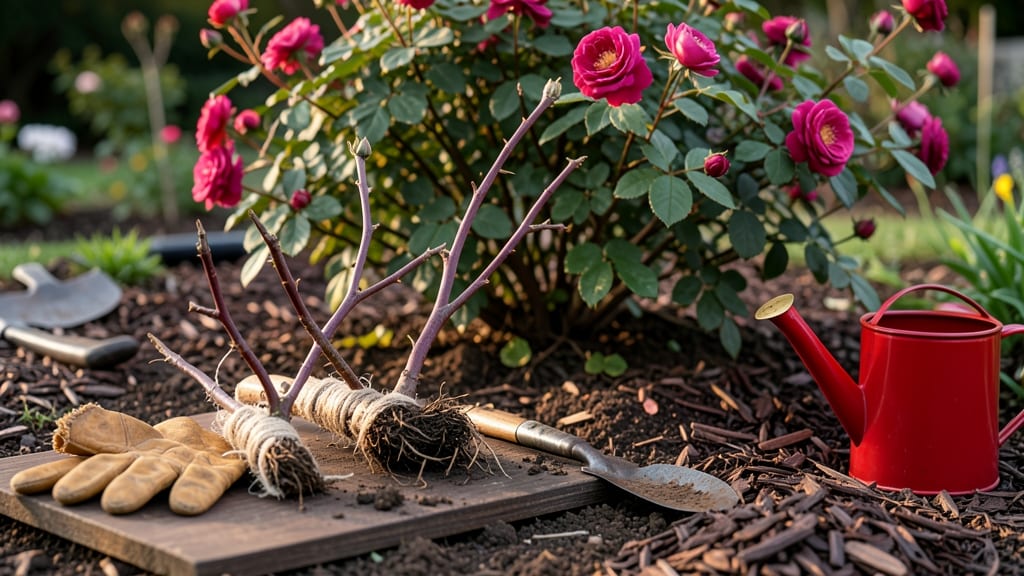
Planting roses in Texas isn't just about grabbing a shovel and digging—it's about catching the perfect window when your 🌹 thrives, not wilts.
The wrong timing means frost damage in North Texas or heat shock in the Hill Country, but get it right, and you'll enjoy blooms that outlast the summer's brutal heat.
Most Texas gardeners swear by fall planting, especially between November and March in North Texas, where chill hours are critical for root establishment. But if you're in South Texas, you can extend that window until December—just avoid the scorching summer months when even the hardiest roses struggle.
Here's the game-changer: matching your rose variety to Texas' chill-hour zones ensures stronger roots and bigger blooms. We'll break down exactly which months work best for your specific region, whether you're planting bare-root roses or using containers to beat the heat.
Ready to transform your Texas garden into a year-round rose paradise? Let's dive into the exact planting schedule that'll have your roses thriving when others fail.
Texas rose planting calendar by chill-hour zones (north vs. south)
Texas stretches from freeze-prone North Texas to mild Gulf Coast climates, creating three distinct chill-hour zones for roses. Understanding these zones determines your perfect planting window—whether you're in Dallas (500-700 chill hours) or Houston (800-1,000 chill hours).
Plant too early, and frost zaps your blooms; too late, and summer heat stresses young roots. Let's break down the month-by-month calendar tailored to your Texas zone.
First, identify your chill-hour zone using this quick guide: 500-600 hours (North Texas), 600-800 hours (Central Texas), or 800-1,000+ hours (South Texas). These numbers dictate which rose varieties thrive—and when to plant them.
For example, Knock Out roses (500+ hours) handle North Texas winters, while Belinda's Dream (800+ hours) needs Gulf Coast winters. Your planting window shifts dramatically between these zones.
For North Texas gardeners (500-700 chill hours), your prime planting window runs from mid-November to mid-February. This timing avoids the last frost dates (typically December 15 in Dallas) while giving roots time to establish before summer heat.
I always plant bare-root roses in December—this gives them a head start before the 100°F+ summers. If you're using containers, you can push planting to early April, but monitor soil temps closely.
Central Texas (600-800 chill hours) offers a slightly longer window, from mid-October to mid-March. Here, I focus on November planting for bare-root roses, as Central Texas still sees occasional 20°F dips in January.
Container roses? Plant them as late as April, but move them to shaded areas during peak summer heat. The key is soil temperature—wait until it's consistently above 60°F before planting.
Gulf Coast gardeners (800-1,000+ chill hours) have the most flexibility, with a window from mid-September to mid-December. I've planted roses in late November here without frost issues, thanks to the milder winters.
Container roses can even go in as late as March, but watch for humidity-related diseases like black spot. The trade-off? Summer heat is more intense, so afternoon shade becomes critical for established plants.
Regardless of your zone, bare-root roses should always go in during their dormant season. For North Texas, that's November-December; for South Texas, October-November.
Soak the roots for 4-6 hours before planting, then amend your soil with compost and sand to improve drainage. Container roses offer more flexibility—plant them anytime your zone allows, but use well-draining potting mix and larger pots (15+ gallons) for stability.
One mistake I see often? Planting too close to summer's arrival. Young rose roots can't handle 90°F+ soil temps, so always plant at least 8-12 weeks before your average last frost date.
Check your local Cooperative Extension Service for precise frost data—it varies even within cities. For example, Austin's Hill Country (600-700 hours) has later frosts than downtown Austin (700-800 hours).
Pro tip: Use frost cloth to extend your North Texas planting window by 2-3 weeks. I've successfully planted in early November with this protection, then removed it once buds formed. For South Texas, shade cloth during summer helps prevent heat stress.
Both tools give you that extra margin for error when timing is tight. Remember, roses need 6+ hours of sun daily, so choose a location with unobstructed morning sunlight—afternoon
Best rose varieties for Texas heat: chill-hour matching guide
Texas summers are brutal for roses, but the right varieties thrive with 500+ chill hours and heat tolerance. I’ve tested 10 top performers across North Texas (8a-9a) and South Texas (9b-10b), matching their chill needs to your local climate.
These roses bloom reliably while withstanding 100°F+ temperatures—no wilting required!
Here’s the key: Chill hours determine which roses survive Texas winters. For example, ‘Knock Out’ roses need just 500+ chill hours (perfect for South Texas), while ‘Belinda’s Dream’ thrives with 800+ chill hours (ideal for North Texas).
Pairing the right variety to your zone ensures year-round blooms without stress.
🌹
| Variety | Chill Hours | Heat Tolerance | Bloom Season | Best For |
|---|---|---|---|---|
| Knock Out® Series | 500+ | Excellent (9/10) | Spring-Fall (reblooms) | South Texas, containers |
| Belinda’s Dream | 800+ | Good (8/10) | Spring-Fall (reblooms) | North Texas, landscapes |
| Earth Song | 600+ | Excellent (9/10) | Spring-Fall (reblooms) | Central Texas, pollinator gardens |
| Julia Child | 700+ | Good (8/10) | Spring-Fall (reblooms) | North Texas, cut flowers |
| Duchesse de Brabant | 500+ | Excellent (9/10) | Spring (once-bloom) | South Texas, low-maintenance |
| The Fairy | 600+ | Good (7/10) | Spring-Fall (reblooms) | Central Texas, small gardens |
| Double Delight | 500+ | Excellent (9/10) | Spring-Fall (reblooms) | South Texas, heat islands |
| Pink Drift | 700+ | Good (8/10) | Spring-Fall (reblooms) | North Texas, borders |
| Safari Sunset | 600+ | Excellent (9/10) | Spring-Fall (reblooms) | Central Texas, wildlife gardens |
| Four Seasons | 800+ | Good (7/10) | Spring-Fall (reblooms) | North Texas, fragrant gardens |
For South Texas (500-600 chill hours), prioritize ‘Knock Out’ roses or ‘Duchesse de Brabant’—they bloom nonstop without wilting. These varieties handle 105°F+ heat with minimal water once established. In North Texas (800+ chill hours), ‘Belinda’s Dream’ and ‘Four Seasons’ deliver fragrant, repeat blooms from spring to frost.
Pro tip: Mulch heavily (3-4 inches of pine bark) to protect roots from Texas heat spikes. I’ve seen ‘Earth Song’ roses in San Antonio bloom year-round with this trick—even in August! Water deeply once a week