
Trees
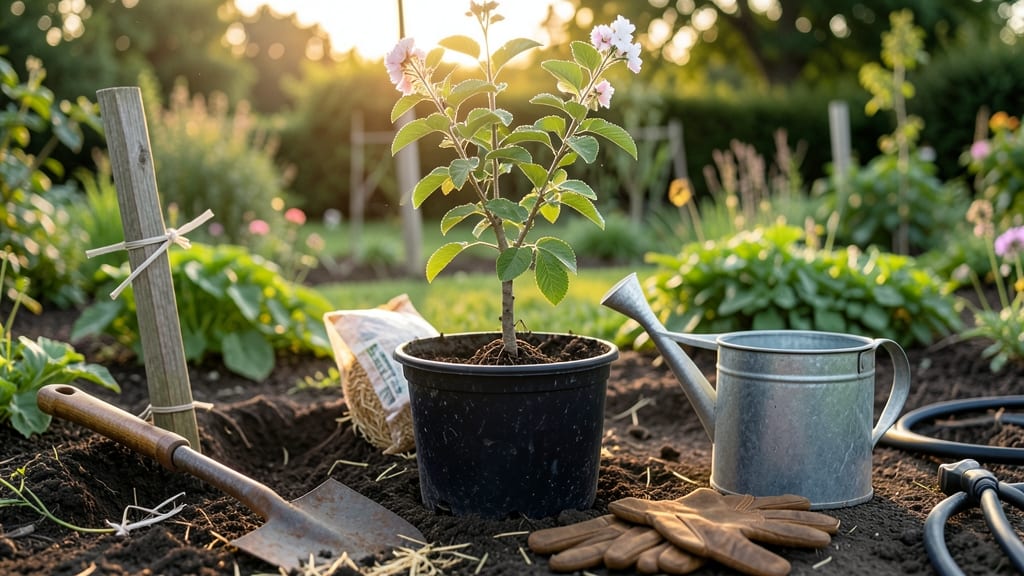
Planting an apple tree 🍎 in New Jersey’s Zone 6-7 climate can feel like a gamble—get the timing wrong, and your tree might never thrive.
The key isn’t just when you plant, but how you match varieties to NJ’s chill-hour needs, which range from 600 to 900 hours of winter cold.
Most gardeners assume spring is the only option, but fall planting actually gives roots a head start before winter dormancy.
I’ve learned the hard way that rushing too late in spring (after April 15) risks frost damage, while planting too early in fall (before October) leaves trees vulnerable to cold snaps.
What if you could plant once and enjoy decades of harvests? The secret lies in choosing the right variety—like disease-resistant Liberty or sweet Honeycrisp—and preparing your soil to the perfect 6.0-6.5 pH before the first shovel hits the ground.
Let’s break down the exact months that work best, how to protect your tree from NJ’s unpredictable frosts, and the 3 biggest mistakes that kill apple trees before they even bear fruit. Your future orchard starts here.
Best planting months for apple trees in NJ’s zone 6-7 climate
New Jersey’s Zone 6-7 climate offers two prime windows for planting apple trees: late winter to early spring and early fall. Each season has unique advantages, but timing directly impacts root establishment, winter survival, and fruit production.
For best results, align planting with soil temperatures and chill-hour requirements of your chosen variety.
Spring planting (March–April) is ideal for bare-root trees because cool soil prevents root desiccation, while fall planting (October–November) gives roots time to establish before winter dormancy. However, late fall plantings risk frost damage, especially in northern NJ where first frosts arrive by November 1.
Always check your last frost date—typically April 15 in most of NJ.
Soil temperature plays a critical role. Roots need 40–50°F soil to grow actively, which occurs in March–April. Planting too early (February) risks cold soil stress, while waiting until May delays root development.
In southern NJ (Zone 7), the window extends slightly later than northern counties like Bergen or Passaic.
Here’s how to match your planting timeline to NJ’s microclimates and variety needs:
| Planting Window | Best Months (NJ) | Soil Temp Requirement | Chill-Hour Compatibility | Frost Risk | Root Establishment Time |
|---|---|---|---|---|---|
| Spring Planting | March–April | 40–50°F | 600–900 hours | Low (post-last frost) | 6–8 weeks |
| Early Fall Planting | October (first 2 weeks) | 50–60°F | 600–900 hours | Moderate (northern NJ) | 4–6 weeks |
| Late Fall Planting | November (avoid) | <40°F | N/A | High (frost damage) | Minimal |
| Spring Bare-Root | February–March | 35–45°F | 600–900 hours | Low (dormant) | 8–10 weeks |
For spring planting, aim for March 1–April 15 to allow roots to establish before summer heat. In northern NJ, where frosts linger longer, prioritize March plantings. Use burlap-wrapped bare-root trees—they’re cheaper and establish faster than container-grown trees.
Fall planting is riskier but can work if done by mid-October. Choose container-grown trees for better root integrity, and water deeply
How to match apple tree varieties to NJ’s chill-hour zones
New Jersey’s Zone 6-7 climate requires careful apple tree selection based on chill hours—the number of hours below 45°F needed for fruit production. Most NJ regions fall within 600-900 chill hours, so choosing the right variety ensures a successful harvest.
Let’s explore top picks and how to match them to your microclimate.
Start by checking your specific chill-hour zone using the Chill Hour Calculator. Northern NJ typically ranges from 700-900 hours, while southern areas often see 600-800 hours. Varieties like Honeycrisp and McIntosh thrive in these ranges, but Gala may struggle in colder pockets.
Summary of NJ-Friendly Apple Varieties
| Variety | Chill Hours | Best NJ Zones | Notes |
|---|---|---|---|
| Honeycrisp | 600-800 | 6a-7a | Sweet-tart, disease-resistant |
| McIntosh | 700-900 | 6b-7b | Juicy, great for baking |
| Gala | 500-700 | 7a-7b (southern NJ) | Crisp, low chill needs |
| Liberty | 600-800 | 6a-7a | Fire blight-resistant |
| Fuji | 700-900 | 6b-7b | Large, sweet, needs cross-pollination |
For northern NJ, prioritize varieties like Honeycrisp or Liberty, which tolerate 800+ chill hours. In southern NJ, Gala or Envy (500-650 hours) work well. Always plant two compatible varieties for cross-pollination—most apples are not self-fertile. Pair Honeycrisp with McIntosh, for example.
If you’re unsure about your chill hours, consider dwarf apple trees on M.9 rootstock. They’re easier to manage and often adapt better to edge-of-zone conditions.
Just ensure they’re planted in full sun and well-draining soil to maximize chill-hour efficiency. Mulch with wood chips to protect roots during winter’s cold snaps.
Pro tip: Use a minimum chill-hour variety like Cosmic Crisp (600 hours) if you’re in a warmer microclimate, such as near the Delaware River. These trees still produce high-quality fruit while adapting to shorter winters. Always verify with your local Cooperative Extension Service for hyper-local advice.
Once planted, monitor your tree’s flowering patterns in spring. If blooms appear late (after May 15), your variety may be pushing its chill-hour limit. In that case, consider pruning to redirect energy or switching to a lower-chill variety next season. 🍏