
Plants
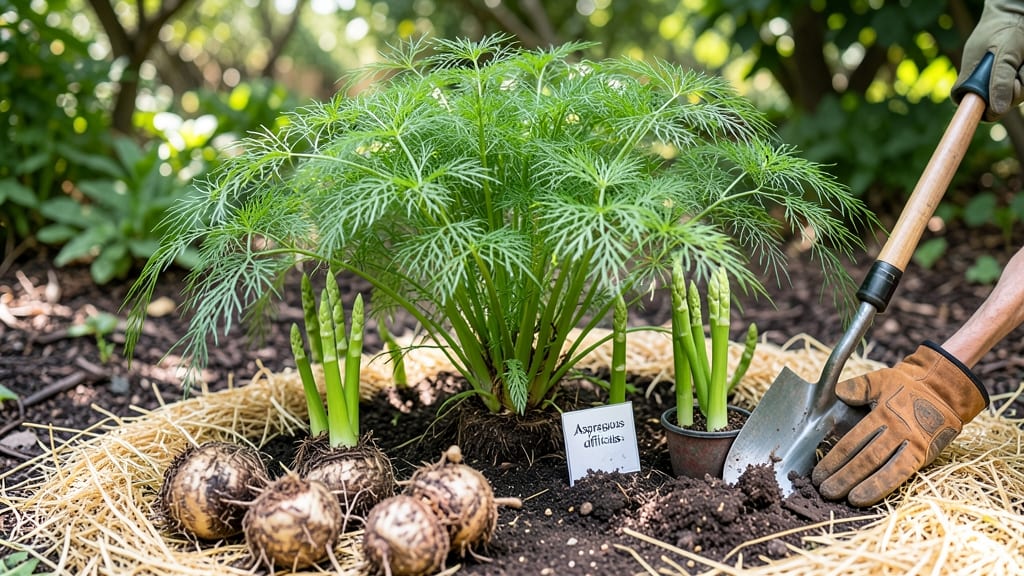
Planting asparagus in Maine feels like a high-stakes game of timing—get it right, and you’ll enjoy fresh spears for years; get it wrong, and you might wait another three years for a decent harvest.
The key isn’t just about the calendar but understanding your region’s chill-hour requirements and frost dates, especially in USDA zones 5b-6b where winters can be unpredictable.
Most Maine gardeners know asparagus crowns need to go in the ground early, but the exact window—6-8 weeks before your last frost—varies by whether you’re in coastal Portland or inland Bangor.
I’ve learned the hard way that planting too late can leave your crowns vulnerable to frost heave, while planting too early means they’ll just sit in cold soil waiting for spring.
What you can control is soil prep: rich, well-draining earth with plenty of compost to help those roots establish before the first spears even think about poking through. And here’s the secret Maine gardeners swear by—mulching heavily in fall to protect those tender crowns from winter’s worst.
Ready to turn your yard into an asparagus powerhouse? I’ll walk you through the exact steps—from choosing the right variety for your microclimate to mastering the 3-year wait (yes, it’s real) before your first real harvest. Let’s get those crowns in the ground the right way.
Maine’s asparagus planting timeline: chill-hours and frost dates explained
Maine’s short growing season and variable frost dates make asparagus planting a precision task. Unlike warmer climates, asparagus in Maine requires 300-400 chill-hours to break dormancy—meaning you must plant at the right time to ensure those cold hours are met before spring warmth arrives.
Miss the window, and your crowns may rot before sprouting.
Asparagus thrives in USDA zones 5b-6b, but Maine’s coastal vs. inland microclimates create dramatic differences. Southern Maine (e.g., Portland) averages 400 chill-hours, while Northern Maine (e.g., Bangor) can exceed 500 chill-hours. This means your planting timeline should shift based on whether you’re near the coast or inland.
Here’s the critical rule: Plant asparagus crowns 6-8 weeks before your last spring frost. For most of Maine, this lands in late March to early April. Seeds, however, need 2-3 years to mature—so they’re rarely worth the wait unless you’re experimenting with heirloom varieties.
Southern Maine’s last frost dates typically fall between mid-April and early May, while Northern Maine sees frosts lingering until late May. Coastal areas (like Bar Harbor) warm up faster due to maritime influence, while inland zones (like Augusta) hold onto cold longer.
| Region | Avg. Chill-Hours | Last Frost Date | Ideal Planting Window | Crown Depth |
|---|---|---|---|---|
| Southern Maine (Portland) | 350-400 | Mid-April to early May | Late March | 4-6 inches |
| Central Maine (Augusta) | 400-450 | Early to mid-May | Early April | 4-6 inches |
| Northern Maine (Bangor) | 450-500 | Late May | Mid-April | 4-6 inches |
| Coastal (Bar Harbor) | 300-350 | Early April | Late February to March | 4-6 inches |
*Adjust for microclimates—elevated areas frost later than valleys.
Fall planting is not recommended in Maine due to the risk of winter heaving—when soil freezes and thaws, dislodging crowns.
If you must plant in fall, do so 8-10 weeks before first frost (typically late August to early September) and use heavy mulch (6+ inches of straw) to insulate roots.
For coastal gardeners, the earlier window (late February to March) works because maritime air moderates temperatures. Inland gardeners should wait until soil temps reach 50°F—usually mid-April—to avoid crown rot. Use a soil thermometer to confirm.
Pro tip: Pre-chill crowns if planting early. Store them in a cool, dark place (32-40°F) for 2-3 weeks before planting to mimic Maine’s natural chill-hours. This jumpstarts growth in warmer-than-average springs, which Maine occasionally delivers.
First-year asparagus won’t produce spears—it’s all about root establishment. But years 2-3 will reward your patience with 3-5 ft tall ferns and, eventually, harvestable spears in June-July. The key? Timing your chill-hours right ensures your asparagus survives Maine’s unpredictable transitions from winter to spring.
🌱
Step-by-step asparagus planting guide for Maine’s climate
Maine’s short growing season and cool temperatures demand precise timing and preparation when planting asparagus. The key to success lies in well-drained, phosphorus-rich soil and protecting young plants from late frosts.
Unlike many vegetables, asparagus crowns take 2-3 years to establish before producing spears, so getting it right from the start is critical.
Start by testing your soil’s pH (6.5-7.5)—Maine’s acidic soils often need lime amendments. Mix in compost or aged manure to improve fertility, and avoid heavy clay that holds moisture too long.
Since asparagus thrives in full sun (6+ hours daily), choose a south-facing bed where spears won’t be shaded by trees or structures.
🌱 Step-by-Step Asparagus Planting in Maine
- Step 1: Prepare the soil 2-3 weeks before planting. Till to a depth of 12 inches, removing rocks and weeds. Amend with 1 cup of 5-10-10 fertilizer per 10 sq ft and 2 inches of compost.
- Step 2: Plant crowns in early spring (March-April) or late summer (August), 6-8 weeks before Maine’s last frost date (mid-April). Dig trenches 6 inches deep and 12 inches wide, spacing crowns 12-18 inches apart.
- Step 3: Place crowns with roots spread out in the trench, ensuring the crown sits 2 inches below soil level. Cover with 2 inches of soil, leaving the top visible for now. This gradual burial prevents rot from Maine’s wet springs.
- Step 4: Water deeply after planting to settle the soil, then apply 3 inches of mulch (straw or wood chips). Mulch insulates roots from late frosts (May in Northern Maine) and retains moisture during dry spells.
- Step 5: Gradually mound soil around crowns as ferns grow in Year 2, burying the base by 6 inches by harvest time. This encourages thicker spears in future years.
Maine gardeners often struggle with soil erosion after heavy rains, so consider raised beds for better drainage. If planting in USDA Zone 5b (coastal Maine), opt for ‘Mary Washington’ asparagus, which tolerates salt spray and cooler summers.
Avoid planting in soggy areas—waterlogged soil causes crown rot, a common issue in Maine’s humid climate.
After planting, water deeply once a week (1-2 inches per session) during Maine’s dry summers. Skip fertilizing in Year 1—roots need to establish without competing for nutrients.
In Year 2, apply a low-nitrogen fertilizer (5-10-10) in early spring to support fern growth, which stores energy for next year’s spears.
Protect young plants from late spring frosts (common until early June in Northern Maine) by covering beds with frost cloth or row covers. Once established, asparagus is drought-tolerant, but Maine’s variable rainfall means monitoring soil moisture is key.
With proper care, your asparagus bed will reward you with spears for 15+ years—a true Maine garden legacy. 🌿