
Plants
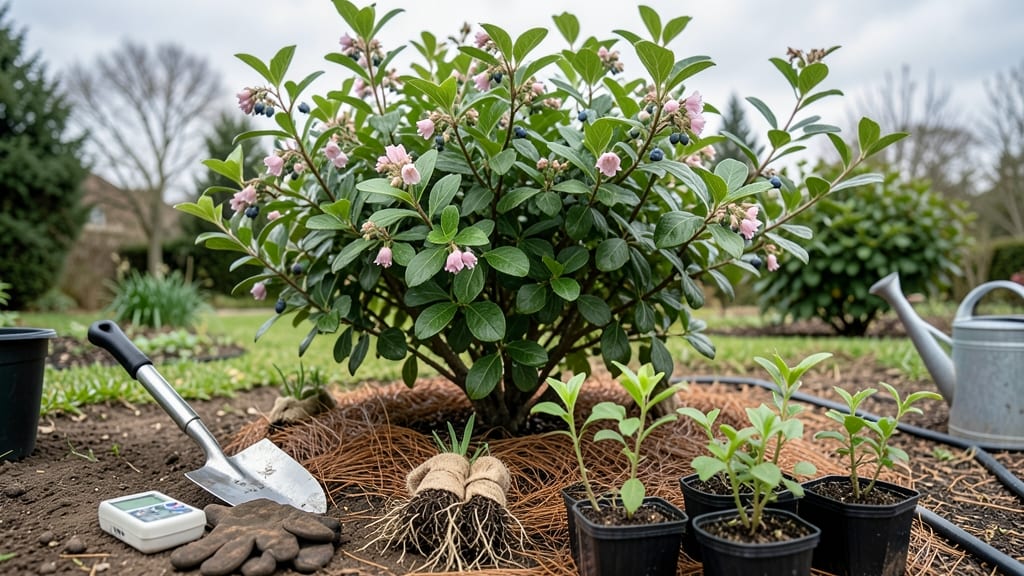
Planting your 🫐 blueberries at the wrong time in South Carolina could mean the difference between a bountiful harvest and years of frustration. The key isn't just picking a season—it's understanding your local chill-hour zone and avoiding the deadly late frost risks that hit Zone 7b-9a hard.
Most gardeners in South Carolina rush to plant in spring without checking their frost-free deadlines, only to watch their young bushes struggle. But with the right timing—whether you're planting bare-root bushes in fall or container-grown varieties in early spring—you can set your blueberries up for success from day one.
I'll walk you through the exact windows that work best in your area, from the humid subtropical challenges of Charleston to the cooler microclimates of Greenville. You'll learn how to prepare your soil, choose the right varieties, and avoid the costly mistakes that trip up even experienced growers.
By the end, you'll know exactly when to get those blueberry plants in the ground—so you can start enjoying homegrown berries by May or June instead of waiting years for your bushes to mature. Let's get started.
South Carolina chill-hour zones: matching blueberry varieties to your location
South Carolina’s diverse climate—from coastal Zone 8 in Charleston to inland Zone 7b in Greenville—means not all blueberry varieties thrive equally. Chill hours (the number of hours below 45°F) determine which Southern Highbush, Rabbiteye, or Half-High varieties will produce fruit.
In Charleston’s milder winters (300-500 chill hours), for example, you’ll need low-chill varieties like ‘Emerald’, while Greenville’s 600-800 chill hours support classic ‘Tifblue’ Rabbiteye bushes.
First, check your USDA Hardiness Zone and average winter chill hours using the SC State Climatology Office or local Cooperative Extension Service.
Most of South Carolina falls between Zone 7b and Zone 8a, with 300-900 chill hours annually. Rabbiteye varieties (like ‘Climax’) need 500+ chill hours, while Southern Highbush (e.g., ‘Premier’) adapt to 200-400 hours—perfect for coastal areas.
Here’s how to match your location to the best varieties:
For Zone 8 gardeners like those in Charleston, Southern Highbush varieties are your best bet—they bloom later, avoiding late frosts that can damage flowers. In contrast, Greenville’s Zone 7b supports Rabbiteye varieties, which handle the cooler winters better.
If you’re unsure about your chill hours, ask your local Cooperative Extension Service for a microclimate analysis—urban areas can be 5-10°F warmer than rural zones, affecting chill accumulation.
Pro tip: Half-High varieties (e.g., ‘Chandler’) are a great compromise for Zone 7a-8a, offering 5-6 ft height with moderate chill needs (400-700 hours). They’re also self-pollinating, reducing the need for multiple bushes.
Plant them in well-amended soil with a pH of 4.5-5.5—blueberries are acid-lovers, and lime-free soil is critical.
In coastal SC, where humidity is high, choose disease-resistant varieties like ‘Jewel’ or ‘Premier’. These handle fungal pressures better than traditional Rabbiteye types. For inland areas, prioritize drought-tolerant varieties like ‘Centurion’, which thrives with less frequent watering once established.
When selecting a nursery, ask about local trials—some varieties perform better in specific microclimates. For example, ‘Tifblue’ may struggle in Zone 8 due to heat stress, while ‘Emerald’ might not get enough chill hours in Zone 7a.
Always buy from reputable SC nurseries like Blueberry Fields Nursery or Johnny’s Selected Seeds for regionally adapted stock.
Once you’ve chosen your variety, plant in late fall (October-November) or early spring (February-March) to give roots time to establish before summer heat. In Zone 8, avoid planting in late winter—late frosts can damage new growth.
Mulch with pine straw to maintain soil acidity and retain moisture, especially in
Frost-free deadlines & planting windows: when to start for maximum success
South Carolina’s humid subtropical climate creates two prime windows for planting blueberries: fall (October-November) and early spring (February-March). Timing matters because blueberries need 6-8 weeks to establish roots before summer heat arrives. Planting too early risks frost damage, while planting too late delays root growth—critical for next year’s harvest.
Your local frost-free date is the golden rule. In SC, this typically falls between mid-March (Zone 7b) and late February (Zone 8a). Check the USDA Plant Hardiness Zone Map for your exact location—Charleston gardeners have a 2-3 week head start compared to Upstate areas like Greenville.
- 📅 Fall Planting (Best Option): October 15–November 15 – Soil stays warm for root growth, and winter chill hours are satisfied.
- ⏰ Early Spring Planting: February 1–March 15 – Plant 4-6 weeks before last frost (Zone 7b: March 15; Zone 8a: Feb 28).
- 🌡️ Soil Temp Check: Wait until soil temps are above 40°F (4°C)—use a soil thermometer to avoid cold shock.
- 🪴 Container Planting: Can plant year-round in SC, but avoid extreme heat (90°F+) or frost. Use 5-gallon pots for mature bushes.
- ⚠️ Avoid Late Spring: Planting after April 1 risks summer drought stress before roots establish.
For in-ground planting, focus on fall (October)—this gives roots time to grow before winter dormancy. If you choose spring planting, prioritize February to avoid the peak frost risk in March.
In-ground bushes need 3-4 feet of space between plants for airflow, which helps prevent fungal diseases common in SC’s humidity.
Container-grown blueberries offer flexibility—you can plant them year-round in SC, but avoid peak summer heat (June-August) when temperatures exceed 90°F (32°C). Use acidic potting mix (pH 4.5-5.5) and 5-gallon containers for mature bushes. Containers also let you move plants to shadier spots during summer if needed.
Pro tip: Mulch heavily (3-4 inches of pine straw) after planting to retain moisture and regulate soil temperature. In Zone 7b (Upstate SC), add a light frost cloth if planting in late March—late frosts can still occur. Monitor your local National Weather Service alerts for unexpected cold snaps.
Remember, blueberries need chill hours (300-900 hours below 45°F (7°C)) to produce fruit. SC’s winter typically provides enough chill, but Zone 8a (coastal areas) may need Southern Highbush varieties like ‘Peach Sorbet’ or ‘Premier’ for reliable yields.