
Plants
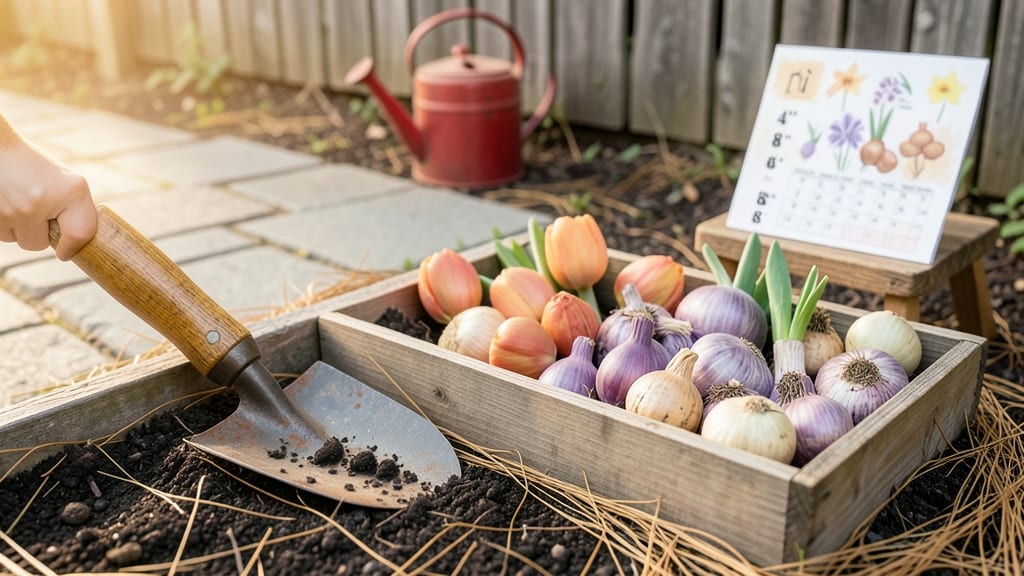
Planting bulbs in Houston might seem tricky with our mild winters, but the right timing can make all the difference between a weak spring display and a showstopping garden.
Unlike colder climates, Houston’s Zone 9a means you’ve got a narrow window to plant 🌱 bulbs—typically between September and November—so you don’t miss out on those crucial chill hours that trigger blooms.
Most gardeners here focus on classic spring bloomers like tulips and daffodils, but Houston’s climate also lets you experiment with fall-planted varieties that thrive in our warm winters.
The key is understanding which bulbs need just a light chill (like daylilies) versus those that demand deeper dormancy (like crocuses), and how to adjust for Houston’s humidity and occasional heat spikes.
I’ve learned the hard way that planting too late can leave bulbs struggling to establish roots before winter sets in, while going too early risks rot in Houston’s damp soil.
Whether you’re a first-time planter or a seasoned gardener, mastering these timing tricks will help you avoid common mistakes and get the most vibrant blooms come spring.
Let’s break down exactly when and how to plant for Houston’s unique conditions—so you can enjoy a garden that pops with color year after year, no matter how mild our winters get.
Houston’s Zone 8b chill-hour requirements for bulb success
Houston’s mild winters create a unique challenge for bulb gardeners. Unlike colder climates, Zone 8b’s chill hours (typically 300-500 hours below 45°F) are just enough to coax spring blooms from bulbs like tulips and daffodils.
Planting too early risks rotting, while waiting too late may starve bulbs of their critical cold exposure. The key? Timing your fall planting window to align with Houston’s natural chill accumulation.
Most bulbs need 6-8 weeks of chill hours before spring growth. In Houston, this translates to planting between mid-October and early November, when soil temps drop to 60-65°F. This schedule ensures bulbs get their required cold snap before Houston’s warm spells return.
For example, tulips (400-600 chill hours) thrive here, while crocuses (200-300 chill hours) offer more forgiving options for late plantings.
Here’s how to calculate your local chill hours: Use a minimum-maximum thermometer to track temps below 45°F. Houston’s average winter chill falls between 350-450 hours, but urban areas may see slightly fewer hours due to the heat island effect.
Adjust planting dates 1-2 weeks later if you’re in a warmer microclimate.
Soil prep is just as critical as timing. Houston’s clay-heavy soil drains poorly, which can suffocate bulbs. Amend with compost or sand to improve drainage, and plant bulbs in well-draining beds or raised areas.
Aim for a depth of 6-8 inches (twice the bulb’s height) to protect them from temperature fluctuations and drought stress.
Not all bulbs are created equal in Houston’s climate. Daffodils and hyacinths are top performers, thanks to their moderate chill requirements (300-500 hours). Tulips, especially Darwin Hybrid varieties, also excel but may need extra mulch to retain moisture during Houston’s dry spells.
Avoid high-chill bulbs like lilacs or peony varieties, which require 600+ chill hours.
🌱
Layered planting is a Houston gardener’s secret weapon. By planting bulbs in successive waves—starting with crocuses in late November and ending with tulips in early November—you extend your spring bloom season from January through May.
This technique also helps offset chill-hour variability year to year. For example, if December is unusually warm, your early-planted crocuses will still bloom, while later bulbs wait for cooler temps.
After planting, protect bulbs with a 2-3 inch layer of mulch to insulate them from temperature swings and drought stress. Avoid organic mulches like leaves, which can mat and trap moisture. Instead, use pine straw or shredded bark for better airflow.
In urban Houston, where sidewalks radiate heat, plant bulbs in shadier spots or use light-colored mulch to reflect heat away from the soil.
Monitor your bulbs’ progress by checking for sprouts in late winter. If you see green shoots in December, your bulbs are <
Best bulbs to plant in Houston by seasonal timeline
Houston’s mild winters demand precise timing for bulb planting—fall-planted bulbs need 6-8 weeks before first frost (mid-December), while spring-blooming varieties like daffodils thrive with early January planting. The key? Soil temperatures between 50-65°F trigger root growth without premature sprouting in Houston’s heat.
For spring bloomers (tulips, hyacinths, crocuses), aim for October-November when daytime temps drop below 80°F. Fall bloomers like rain lilies or spider lilies wait until January-February when soil cools post-winter. Houston’s Zone 8b climate lets you stretch planting windows, but rushing risks rot or weak blooms.
- 1 October-November: Plant spring bloomers (tulips, daffodils) when soil hits 60°F—6-8 weeks before frost.
- 2 January-February: Plant fall bloomers (rain lilies) as soil cools to 55°F—avoid summer heat stress.
- 3 Soil Prep: Amend clay-heavy Houston soil with compost to improve drainage—bulbs rot in soggy conditions.
- 4 Depth Rule: Plant bulbs 3x their height deep (e.g., 6-inch depth for 2-inch bulbs) to protect from Houston’s heat.
- 5 Watering: Deep water after planting, then reduce to weekly—Houston’s humidity keeps roots moist.
Spring bloomers like tulips and hyacinths need 300-500 chill hours (Houston’s winters provide 400-600), so October planting ensures they meet requirements. Daffodils, however, are more forgiving—plant them November-December for March blooms.
Houston’s humidity and clay soil can stall bulb growth, so amend planting beds with sand or perlite for drainage. Layered planting (e.g., tulips + crocuses) extends bloom time from February to April, creating a sequential color show.
For fall bloomers, rain lilies (Zantedeschia) and spider lilies (Hymenocallis) thrive when planted in January—their heat tolerance makes them Houston’s best late-season picks. Wait until soil temps drop below 65°F to avoid premature sprouting.
Pro tip: Use mulch after planting to insulate bulbs from Houston’s wild temperature swings. Straw or pine needles work best—just remove them when shoots emerge in late winter.