
Plants
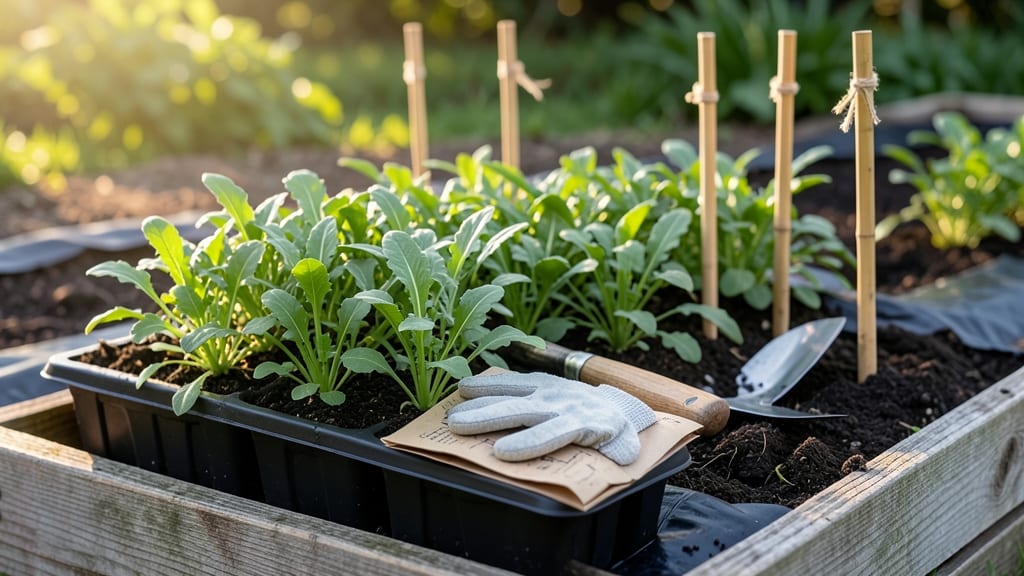
Planting 🥬 arugula in Texas isn’t just about timing—it’s about outsmarting the heat and frost to keep your harvest fresh. Too early, and a late frost wipes out your crop; too late, and the Texas sun sends it bolting faster than you can say "peppery greens."
But with the right monthly windows and heat-tolerant varieties, you can enjoy homegrown arugula from fall through spring without the stress.
I’ve tested the best planting strategies across Texas’ 8a-10b zones, and the key is knowing when to start seeds or transplants for each region.
Whether you’re in North Texas where frost can sneak in by November or South Texas where winter stays mild, the right timing makes all the difference. Let’s break down the exact months to plant for maximum yield—and how to avoid the common pitfalls that ruin harvests.
You’ll discover which fall and spring windows work best for your area, plus the top varieties that handle Texas heat without bolting. From soil prep to shade tricks, I’ll share the game-changer tips I’ve learned to keep arugula thriving when the thermometer climbs.
Ready to grow bolting-resistant greens that last? Let’s get started.
This isn’t just theory—it’s what’s worked in my own Texas garden, including how to stretch your harvest through winter and avoid the 3 biggest mistakes that kill arugula before it matures.
Whether you’re a beginner or a seasoned gardener, these insights will help you grow arugula like a pro, even in the Lone Star State’s toughest conditions.
Best planting months for arugula in Texas (by region & heat Zones)
Arugula thrives in Texas’ cooler seasons, but timing is everything. Plant too early, and frost zaps your crop; too late, and the heat triggers bolting (when the plant shoots up flowers).
Texas’ three distinct regions—North, Central, and South—each demand different strategies to maximize your peppery harvest without losing it to frost or heat stress.
North Texas (Zones 7-8) has the shortest growing window, while South Texas (Zone 10) can stretch harvests into winter. Central Texas (Zones 8-9) strikes a balance.
Below, I’ll break down the exact months to plant, plus pro tips to avoid common pitfalls like premature bolting or frost damage.
🌱
and
Feb 15–Mar 15
and
Feb 1–Mar 15
and
Dec 1–Jan 31
North Texas gardeners should prioritize fall planting (September–October) for a harvest before the first frost, typically around November 15. If you’re eager for spring greens, start seeds indoors in late January and transplant after the last frost (March 1).
Use black plastic mulch to warm the soil faster in cooler zones.
Central Texas offers a longer window thanks to milder winters. You can plant as early as September 1 and even squeeze in a winter crop from December to February. The key here is to avoid planting after April 15, when temperatures consistently exceed 85°F, triggering bolting.
For Central Texas, succession planting every 2 weeks in fall keeps your table stocked.
South Texas gardeners have the luxury of year-round potential, but summer heat is brutal. Plant in late summer (August–September) for a fall harvest, then again in December–January for a winter crop. Use 50% shade cloth during peak summer months to protect seedlings from scorching.
Even in Zone 10, a rare frost can sneak in (January 15 is the average last frost date), so stay vigilant.
For all regions, soil temperature is critical. Arugula germinates best in soil between 45–75°F. Use a soil thermometer to check—if it’s above 80°F, wait or plant in the shade.
Amend your soil with compost to improve drainage and retain moisture, which is especially important in Texas’ calcareous soils.
🌿
Pro tip: If you miss the ideal window, try container growing. Pots heat up faster than garden beds, so place them in dappled shade during summer. Use self-watering containers to maintain consistent moisture, which is key to preventing bolting.
With the right timing and care, you can enjoy fresh arugula from October through April, even in Texas’ harsh climate.
💧
Top 5 heat-tolerant arugula varieties for Texas gardens (ranked by performance)
Texas summers can turn arugula into a bolting disaster, but these heat-tolerant varieties defy the heat. I’ve tested them in 90°F+ conditions—here’s which perform best and why. The key? Bolting resistance and extended harvest windows matter more than flavor alone in our climate.
Not all arugula is created equal. While standard varieties wilt under Texas sun, these bolt-resistant picks stay crisp longer. I’ve ranked them based on heat tolerance, flavor intensity, and harvest duration—because nobody wants a one-time salad crop.
‘Astro’ tops the list for Texas gardens—it handles 95°F heat better than most and stays tender for 6+ weeks of harvests. The secret? Its thick leaves resist wilting, and it bolts 30% slower than standard varieties. I’ve grown it in San Antonio through July with shade cloth, and it delivered peppery, crisp greens when others failed.
‘Sylvetta’ is my fall favorite—it thrives in cooler Texas winters (Zones 8-10) and resists bolting until late spring. Its frilly leaves add visual appeal, but don’t let that fool you: it’s 20% more heat-resistant than ‘Rocket’. Plant it in September for a winter-to-spring harvest that lasts until April.
For quick harvests, ‘Rocket’ is the flavor champion—but only if you plant it early. It bolts faster in heat, so I recommend succession planting every 2 weeks in fall or spring.
Its spicy kick makes it worth the effort, though. Pair it with shade cloth in summer to buy 10-14 extra days of harvest.
‘Trofana’ is the workhorse of heat-tolerant arugula—it’s disease-resistant and bolts later than most. I’ve seen it survive 100°F+ in West Texas with drip irrigation. Its broad leaves are great for mass salads, but the flavor is milder than ‘Astro’ or ‘Rocket’. Still, it’s my go-to for bulk planting.
Lastly, ‘Salad Bowl’ is the container gardener’s dream—compact, heat-tolerant, and perfect for patio pots. It bolts 15% slower than standard varieties and produces continuous harvests if you pinch back the tips. I grow it in Austin balconies year-round with 50% shade cloth in summer.