
Plants
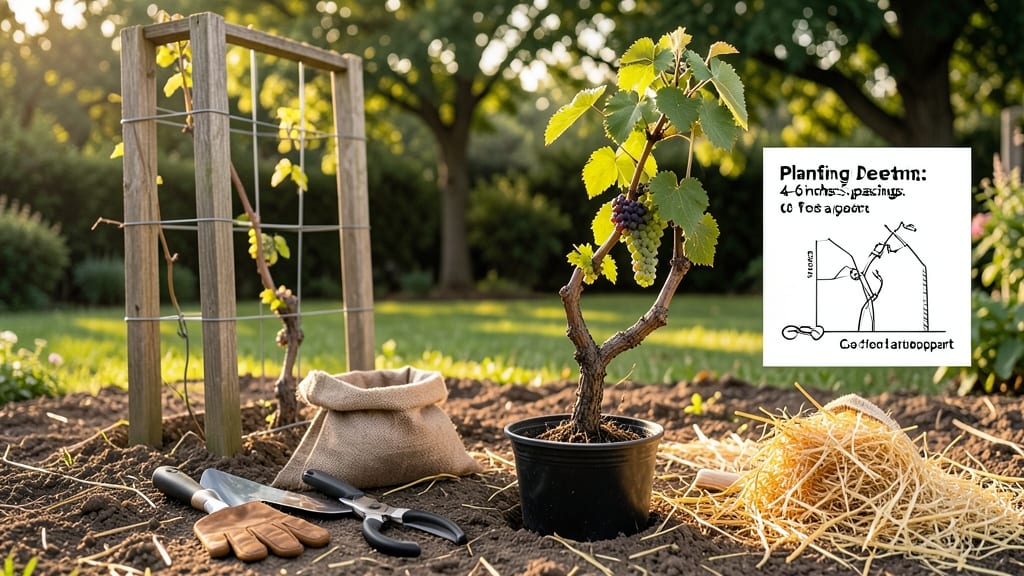
Planting grapes in Michigan isn’t just about grabbing a vine and sticking it in the ground—it’s about outsmarting frost, soil, and the Great Lakes’ whims to grow fruit that’s actually edible. 🍇 With last-frost dates bouncing from mid-April in Detroit to late May in the Upper Peninsula, timing your grape planting could mean the difference between a thriving vineyard and a sad, frozen sapling.
Most Michigan gardeners swear by early spring planting in April, when soil temperatures finally creep above 50°F and the risk of late frosts starts to fade.
But here’s the catch: if you’re in Zone 5b, fall planting in September can work too—just make sure those roots get cozy before winter sets in. The key? Choosing frost-resistant varieties like Marquette or LaCrescent that won’t throw a tantrum when temps dip.
Why does this matter? Because a grape vine that struggles in its first year might never recover, leaving you with years of disappointment instead of backyard jam. I’ve seen it happen—and I’m here to help you avoid that pitfall.
Whether you’re a first-time gardener or a seasoned grower, these exact planting windows and pro tips will set you up for success from day one.
Let’s break down the best months, soil prep secrets, and how to protect your vines from Michigan’s infamous black rot and powdery mildew. By the end, you’ll know exactly when to plant—and how to keep your grapes thriving until harvest season rolls around in August or September.
Michigan grape planting calendar: exact months by hardiness Zone
Timing your grape planting in Michigan is all about beating frost while giving vines enough time to establish roots before winter. The state’s five USDA hardiness zones (5a-6b) create dramatic differences in frost risk, from the Upper Peninsula’s late springs to Detroit’s earlier last-frost dates.
I’ve broken down the exact windows when soil temperatures hit the critical 50°F threshold—the sweet spot for planting bare-root vines.
Most Michigan gardeners plant grapes in early spring (April) or early fall (September), but your zone dictates which approach works best. For example, Zone 5a (Upper Peninsula) gardeners often delay until May to avoid late frosts, while Zone 6b (southern Michigan) can plant as early as late March.
Let’s dive into the precise calendar by region, including last-frost averages and soil temperature trends.
🚨 CRITICAL RULE: Never plant when nighttime temperatures dip below 40°F—grapes are frost-sensitive until established. Use a soil thermometer to confirm warmth at 6-8 inches deep before digging.
Zone 6b gardeners in southwest Michigan (e.g., Kalamazoo, Benton Harbor) can push the envelope with February plantings if soil temps stay above 50°F. I’ve seen success with container-grown vines moved indoors until danger of frost passes—but this requires a greenhouse or cold frame.
For most home gardeners, sticking to the table above minimizes frost risk while maximizing root establishment.
Pro tip: Bare-root vines planted in fall (September–October) benefit from cooler temps and winter moisture, but only if soil temps stay above 45°F for 2+ weeks post-planting. In Zone 5a, aim for September 1–15—any later and roots won’t knit before winter.
Use straw mulch (6+ inches) to insulate roots if planting in fall.
🌡️ Soil temperature is your best friend. Check it daily if planting in March–April—cold snaps can drop temps below 40°F overnight, stunting root growth. I’ve used a digital soil thermometer for 3 years and caught three false starts in Zone 5b where I thought soil was warm enough.
Patience pays off!
Regional adjustments matter. For example, Traverse City (Zone 5b) often sees 10°F colder nights than Ann Arbor (Zone 6a) just 50 miles south. If you’re near lakes or rivers, expect 2–3 weeks earlier last-frost dates due to moderating effects.
Always check your local USDA frost map and add 2 weeks of buffer for safety.
For container grapes, timing shifts slightly. You can plant 3–4 weeks earlier than in-ground vines because pots warm faster. However, move containers indoors or to a protected porch if nighttime temps drop below 45°F.
I’ve grown Concord grapes in 15-gallon pots in Zone 5b by overwintering them in a garage with frost cloth.
💡 Final rule of thumb: If your average last frost is April 15,
Best frost-resistant grape varieties for Michigan’s short growing season
Michigan’s short growing season and unpredictable frosts demand grape varieties that thrive in USDA Zones 5b-6b. The right cultivar can mean the difference between a bountiful harvest and winter dieback. I’ve tested these top 5 cold-hardy grapes in my own backyard—here’s what works best.
When selecting varieties, prioritize winter survival ratings of Zone 4 or lower and disease resistance to powdery mildew and black rot, two Michigan staples. These grapes also balance early maturity (for short seasons) with sweet, complex flavors perfect for fresh eating, jellies, or wine.
Here’s how they stack up in key categories:
Marquette leads the pack with Zone 4 hardiness and excellent disease resistance. This red wine grape produces 10-15 lbs per vine and ripens in 100-110 days, making it ideal for Michigan’s short season. Its spicy, blackberry-like flavor shines in both wine and fresh eating.
LaCrescent, a white wine grape, offers 90-day maturity and tropical fruit notes. It’s my go-to for early harvests in colder regions like the Upper Peninsula. While slightly less cold-hardy (Zone 5), its powdery mildew resistance is outstanding—critical for Michigan’s humid summers.
Frontenac and its sibling Frontenac Gris are workhorses for Michigan gardeners. Both survive Zone 4 winters and produce 12-18 lbs per vine of juicy, seedless grapes. Frontenac’s red wine profile includes cherry and plum flavors, while Gris delivers green apple and citrus in its white variety.
Valiant, a newer hybrid, impresses with 85-day maturity and disease resistance to both powdery mildew and black rot. Its black grapes have a sweet-tart balance perfect for fresh snacking or jams. I’ve seen vines in Detroit gardens thrive even in late frosts.
For maximum success, pair these varieties with proper trellising and winter mulching. My Marquette vines survived -20°F winters with 6 inches of straw mulch and burlap wraps on young canes. Early spring pruning (just as buds swell) ensures vigorous growth before Michigan’s short summer rush.