
Trees
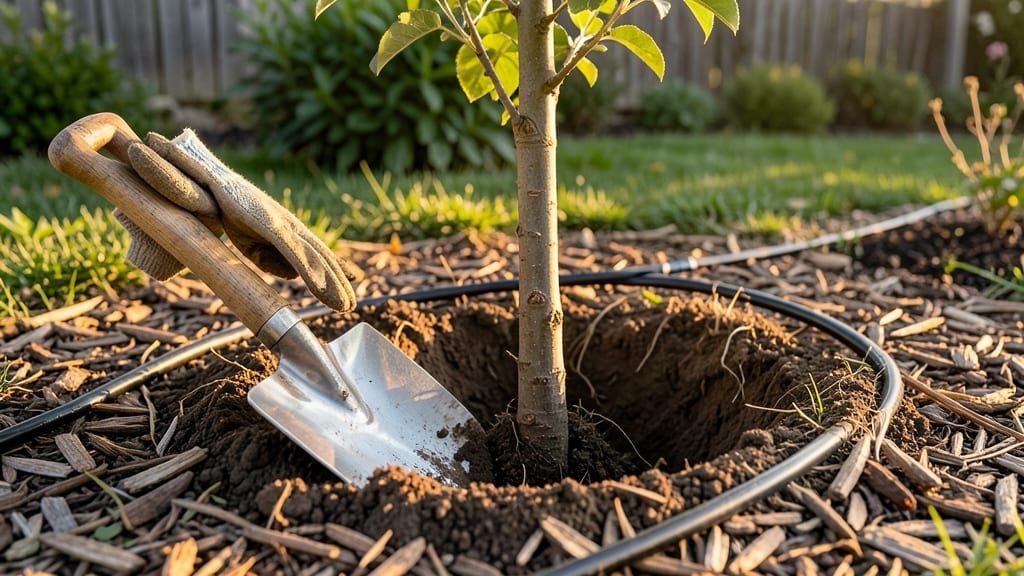
Planting an apple tree 🍎 in South Carolina at the wrong time could mean watching your investment struggle—or worse, fail—before it even takes root. The key to success isn’t just picking the right variety, but matching your planting window to your USDA zone’s chill hours and frost dates.
If you’re in zones 7b-8a, timing matters more than you might think. Planting too early risks frost damage, while waiting too long can delay root establishment. The sweet spot?
Late winter to early spring, when the soil is workable but buds haven’t yet swollen—typically February to April—giving your tree the best chance to thrive.
I’ve seen firsthand how a well-timed planting can transform a struggling orchard into a productive one. Whether you’re starting with bare-root saplings or container-grown trees, understanding your local microclimate—like humidity levels or pest risks—will help you avoid common mistakes and set your tree up for years of harvests.
Let’s break down exactly when to plant in your specific zone, which varieties work best, and how to prep your soil for maximum success—so you can enjoy that first crisp, homegrown apple in late summer or fall.
South Carolina apple tree planting calendar by USDA zone and chill hours
South Carolina's mild winters make apple tree planting a balancing act between chill-hour requirements and frost-free windows. In zones 7A-8B, your success hinges on matching varieties to your specific chill-hour range—typically 300-1000+ hours—while avoiding late frosts that can damage young trees.
For example, Charleston's Zone 8B needs low-chill varieties, while Upstate's Zone 7A can handle slightly higher chill demands.
Timing matters most in late winter to early spring (February-April), when soil is workable but bud break hasn't occurred. This window ensures roots establish before summer heat arrives.
Container-grown trees offer more flexibility, allowing planting in fall or early spring, but bare-root trees thrive best when planted before buds swell—usually by March 15 across most of the state.
Chill hours measure winter cold exposure needed to trigger flowering. Most SC growers need varieties with 300-600 chill hours, but some Upstate areas can support 700-1000 hours. Always check your last frost date (typically March 15 in coastal areas, March 1 inland) to avoid frost damage to emerging shoots.
In Zone 7A (Upstate), plant February-March for varieties like 'Golden Delicious' (800 chill hours) or 'Jonathan' (900 hours). These areas benefit from slightly cooler winters, allowing higher-chill varieties. Amend clay-heavy soils with compost to improve drainage—critical for young roots.
For Zone 7B (Piedmont), aim for March-April planting with 500-700 chill hour varieties like 'Gala' or 'Fuji'. This zone's moderate frost risk makes early spring planting ideal—wait until after March 15 to avoid frost damage to emerging shoots.
Test soil pH (6.0-6.5 ideal) and adjust with lime or sulfur if needed.
Zone 8A (Coastal) gardeners should focus on 300-500 chill hour varieties like 'Anna' or 'Dorsett Golden'. Plant in March-April when soil warms to 50°F+. Coastal humidity demands well-draining soil—consider raised beds if your yard has compacted clay. Mulch heavily to retain moisture during SC's hot summers.
Lowcountry's Zone 8B requires the most low-chill varieties (200-400 hours), such as 'Ein Shemer' or 'Tropsky'. Plant container-grown trees in April to avoid late frosts entirely.
These areas often have poor drainage, so elevate plantings or use sandy loam mixes. Choose dwarf varieties to simplify care in humid conditions.
Regardless of zone, always water deeply after planting (10-15 gallons) and mulch 3 inches thick to retain moisture. Stake young trees if needed, especially in Zone 8B's occasional summer storms. Prune in late winter to shape the tree before new growth begins.
Monitor your tree's chill-hour accumulation using a local weather station or extension service data. Some years, SC's winters may be warmer than average, requiring artificial chill treatments (like anti-transpirants) for varieties near the edge of your zone's range.
Always plant two compatible varieties for pollination—even self-pollinating types produce better yields with a partner.
🌱
Best low-chill apple varieties for South Carolina gardens
South Carolina's mild winters make it tricky to grow traditional apple varieties that need hundreds of chill hours. But don't worry—there are perfectly suited low-chill varieties that thrive in our USDA zones 7b-8a.
These apples produce fruit even with fewer than 500 chill hours, making them ideal for home gardeners in Charleston, Columbia, and beyond.
I’ve grown several of these varieties myself, and the results have been exceptionally rewarding. Whether you're a first-time fruit grower or a seasoned gardener, these low-maintenance apple trees deliver sweet rewards with minimal fuss. Let’s explore the top 5 varieties that consistently perform well in South Carolina’s climate.
The 'Ein Shemer' variety is my personal favorite for South Carolina gardens. This Israeli-developed apple requires only 300-400 chill hours, making it perfect for our warm winters.
It produces crisp, sweet-tart fruit that ripens in late summer, and the tree itself is disease-resistant, which is a huge plus in our humid climate.
Another standout is the 'Anna' apple, which needs 400-500 chill hours. I planted one in my backyard last year, and it’s already showing promising growth. This variety is known for its early maturity—you can expect fruit as early as 2-3 years after planting.
The apples are small but packed with flavor, and they’re great for fresh eating or baking.
If you're looking for a golden delicious alternative, the 'Dorsett Golden' is an excellent choice. With 450-550 chill hours, it’s well-suited for most of South Carolina.
The fruit is juicy and sweet, and the tree is self-pollinating, which means you don’t need to plant a second variety for a good harvest.
For those who love tart apples, the 'Tropsky' variety is a game-changer. It requires 400-500 chill hours and produces bright red, crisp apples that are perfect for eating fresh or making cider.
This variety also has the added benefit of being highly resistant to fire blight, a common issue in our region.
Lastly, don’t overlook the 'GoldRush' apple, which needs slightly more chill hours (500-600) but still performs well in cooler microclimates like the Upstate. It’s a fast-growing tree with large, golden-yellow apples that are ideal for fresh eating or salads.
Many gardeners in Greenville and Spartanburg swear by this variety for its reliable yields.
When choosing your apple trees, always check the chill-hour requirements against your specific location. For example, Charleston (Zone 8a) has fewer chill hours than Greenville (Zone 7b), so opt for varieties like 'Ein Shemer' or 'Anna' if you're in the coastal area.
Happy planting—your future harvests will thank you! 🍏🌳