
Plants
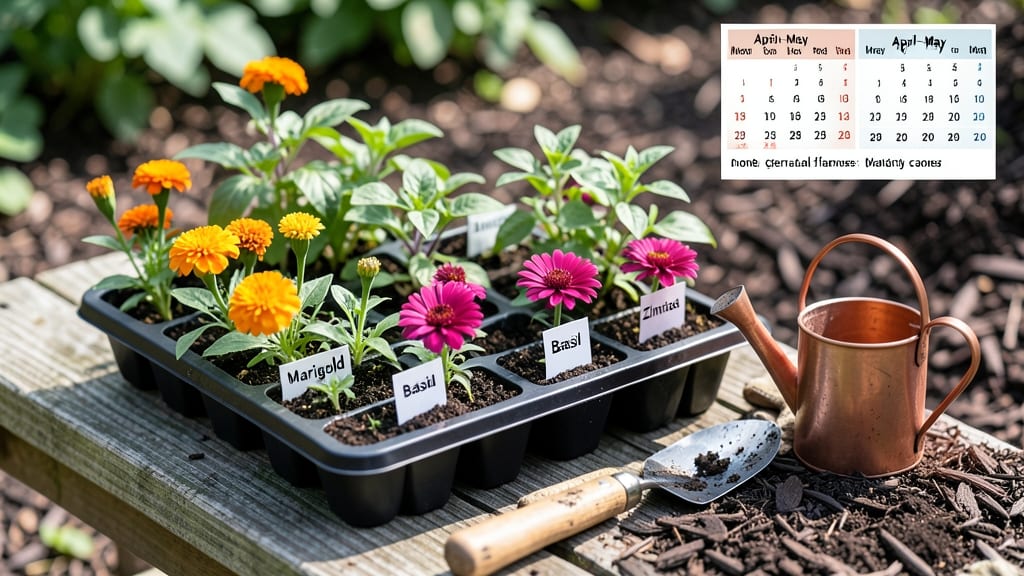
Planting annuals in NJ at the wrong time can turn your dream garden into a frost-killed disappointment—especially when last frost dates vary from Zone 6b in the north to Zone 7a in the south.
The key to vibrant blooms and thriving veggies lies in knowing exactly when to tuck those 🌱 seedlings into the ground, whether you're in coastal areas or inland regions.
I’ve spent years testing planting windows, and what I’ve learned will save you from common mistakes like rushing tender annuals before Memorial Day or waiting too long for summer heat-lovers. With NJ’s unpredictable spring weather, timing isn’t just about dates—it’s about soil temperature, microclimates, and even your specific annual varieties.
In this guide, I’ll break down the perfect planting schedule for your region, from cool-season favorites like pansies to heat-tolerant marigolds. You’ll discover how to extend your growing season with row covers, avoid costly errors, and keep your garden flourishing from early spring through fall harvests.
Ready to transform your garden into a year-round showstopper? Let’s dive into the exact planting timeline that works for NJ’s climate—so you can enjoy blooms and bounty without the guesswork.
NJ annual planting calendar: last frost dates by region (2024 guide)
New Jersey’s USDA Zones 6b and 7a create distinct planting windows, especially when comparing North Jersey’s cooler climate to South Jersey’s milder temperatures.
The average last spring frost in North Jersey (Zone 6b) typically occurs around April 15-May 1, while South Jersey (Zone 7a) sees frost-free conditions by March 25-April 15. These dates shift 1-2 weeks earlier in coastal areas like Cape May or Atlantic City.
For warm-season annuals like tomatoes, peppers, and marigolds, wait until 2 weeks after your region’s last frost—this ensures soil temperatures stay above 55°F.
In North Jersey, that’s usually mid-May, while South Jersey gardeners can start as early as late April. Cool-season annuals, such as pansies, snapdragons, and lettuce, thrive when planted 4-6 weeks before the last frost, often by March in South Jersey and April in North Jersey.
Microclimates add complexity—urban areas like Newark or Jersey City may experience 2-3°F warmer soil temperatures than rural spots, delaying frost dates by 5-7 days. Coastal regions benefit from moderating ocean breezes, pushing planting windows 10-14 days earlier than inland zones.
Always check local weather forecasts and use frost-sensitive plants as natural indicators.
Here’s a quick reference for NJ’s frost-free planting zones, including adjustments for heat zones and microclimates:
In North Jersey (Zone 6b), prioritize hardy annuals like pansies, calendula, and sweet alyssum for early spring. These tolerate light frosts down to 25°F and bloom 6-8 weeks after planting.
For tomatoes, basil, and marigolds, wait until soil temperatures reach 60°F, typically late May. Use black plastic mulch to warm soil faster in cooler microclimates.
South Jersey gardeners enjoy a longer growing season, allowing for two rounds of warm-season crops.
Plant early varieties of tomatoes and peppers in late April, then succession plant heat-tolerant varieties like Okra or sweet potatoes in July-August. Fall planting for kale, spinach, and radishes can start as early as August 15, with first frost risks after October 15.
Adjust for heat zones too—areas like Morris or Sussex counties may experience hotter summers, making shade-loving annuals like coleus or impatiens better choices. Coastal regions, meanwhile, benefit from humidity-loving plants such as fuchsias or lobelias.
Always monitor soil moisture in Zone 7a, as summer droughts can stress annuals.
Pro tip: Use frost cloth to protect tender annuals in Zone 6b until Memorial Day. For South Jersey, succession plant every 2 weeks from May through July to ensure continuous blooms. Track your garden’s performance with a planting journal to refine timing each year.
Remember, NJ’s weather is unpredictable—always have row covers or a greenhouse on hand for late frosts. With these adjustments, your annuals will thrive from spring to fall! 🌱
How to extend your NJ planting season: cold frames, row covers, and succession planting
New Jersey’s USDA Zone 6b-7a climate means we can’t always rely on the traditional planting windows. But with the right tools and techniques, you can extend your growing season by weeks—even months!
Whether you’re eager to plant sweet alyssum earlier or keep your marigolds blooming later, these strategies will help you maximize your garden’s potential.
One of my favorite ways to push back frost is by using cold frames or row covers. These simple tools create a microclimate that protects tender plants from late spring frosts or early fall chills.
For example, a low tunnel row cover can add 4-6°F of warmth, allowing you to plant cool-season annuals like pansies or snapdragons as early as mid-March in North Jersey.
Commercial Row Covers vs. DIY Options
- Pros: Lightweight, breathable, and reusable
- Cons: Can be expensive upfront
- Pros: Budget-friendly (use old bedsheets or frost cloth)
- Cons: May require more maintenance (e.g., securing edges)
Tip: For Zone 6b, opt for floating row covers to avoid smothering plants. Secure with bricks or stakes to prevent wind damage.
Succession planting is another game-changer for NJ gardeners. Instead of planting all your annual flowers at once, stagger your plantings every 2-3 weeks. This ensures a continuous bloom from early summer through fall. For instance, plant cosmos in late May, then again in early July—you’ll enjoy fresh blooms when the first batch starts to fade.
For late-season extensions, consider cold frames made from repurposed windows or plastic bins. These work wonders for hardy annuals like calendula or stock, which can survive light frosts. Place them in a south-facing location to capture maximum sunlight. I’ve kept pansies blooming until mid-December using this method!
Don’t forget about soil temperature—it’s just as critical as air temperature. Use a soil thermometer to ensure your soil is at least 50°F before planting cool-season annuals or 60°F for warm-season varieties like begonias.
In Zone 7a, you might even squeeze in a second planting of zinnias in early September for fall color.
With these strategies, you’ll turn NJ’s short growing season into a year-round garden adventure. Start small—try a row cover over a single bed or a succession planting trial—and watch your garden thrive beyond the traditional limits! 🌱