
Plants
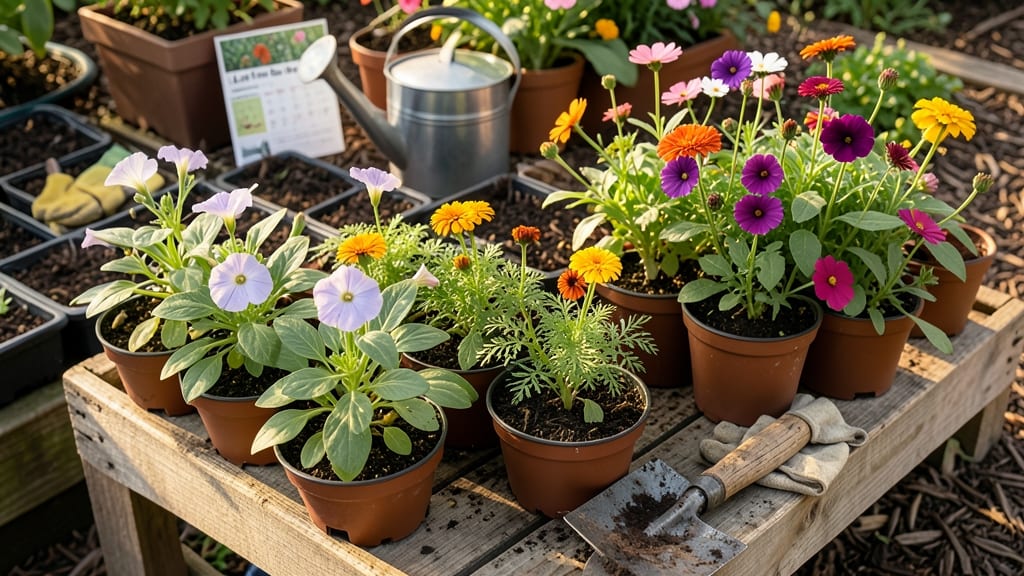
Planting annuals in Colorado isn’t just about the calendar—it’s about beating frost at every elevation. Whether you're in the Front Range or the Western Slope, getting your 🌱 in the ground too early or too late can mean the difference between a vibrant garden and a sad, frost-killed disappointment.
The key is knowing your last frost date, which can vary by 1,000 feet or more across the state. In Denver, you might be ready by mid-May, while high-altitude areas like Aspen could still see frost in June.
I’ll break down the exact windows so you can time your planting perfectly for blooms that last all summer.
Beyond dates, Colorado’s variable weather demands smart prep—whether you’re sowing petunias in containers or marigolds in raised beds. We’ll cover soil warmth, microclimates, and how to stretch your growing season with simple tricks. Let’s make sure your annuals thrive, not just survive.
Ready to transform your yard into a burst of color? The right timing isn’t just about luck—it’s about strategy. I’ll share the exact steps to ensure your annuals take root strong and bloom bold, no matter where you garden in the Centennial State.
Colorado’s frost-free planting zones: exact dates by elevation
Colorado’s dramatic elevation shifts create three distinct planting zones that dictate when you can safely tuck annual seeds into the soil. The Front Range (4,000-6,000 ft) enjoys the longest growing season, while high mountain areas (8,000+ ft) face frost risks well into June.
Even within these zones, urban heat islands can push last frost dates 1-2 weeks earlier than rural areas.
For accurate timing, Colorado State University Extension recommends using 30-year average frost data—not your neighbor’s experience. A low desert garden in Pueblo might see frost-free conditions by March 15, while a Denver suburb at 5,500 ft typically waits until April 20.
At 7,000 ft in Summit County, gardeners often don’t plant until May 10 or later.
Here’s how to match your elevation to the right planting window, plus microclimate adjustments that could save your marigolds or petunias from a late frost:
| Elevation Zone | Last Frost Date (Avg) | First Frost Date (Avg) | Planting Window | Microclimate Adjustments |
|---|---|---|---|---|
| Low Desert (4,000-6,000 ft) | March 15 - April 5 | October 10 - November 5 | March 20 - April 15 | Urban areas: 1 week earlier; rural: 1 week later |
| Mid-Elevation (6,000-8,000 ft) | April 10 - May 10 | September 20 - October 15 | April 25 - May 15 | South-facing slopes: 10 days earlier; valleys: 10 days later |
| High Mountain (8,000+ ft) | May 10 - June 1 | September 5 - September 20 | May 20 - June 10 | Sun-exposed areas: 1 week earlier; shaded: 2 weeks later |
If you’re gardening in Denver or Boulder (5,000-6,000 ft), aim to plant heat-loving annuals like zinnias after April 20, but start cool-season crops like snapdragons as early as March 25 in protected microclimates.
For Fort Collins or Colorado Springs, wait until April 25 for most annuals, but petunias can handle a light frost—so test soil temps first.
In Western Slope towns like Grand Junction (4,500 ft), the desert climate means you can plant marigolds and sunflowers as early as March 10, but watch for late spring frosts that can linger into April 15.
Use row covers for extra protection if you’re eager to start early.
For high-altitude gardens above 8,000 ft, like those in Leadville or Breckenridge, focus on short-season annuals like cosmos or bachelor’s buttons. These varieties thrive with just 60-75 days of warmth, so plant them after May 20 for the best results.
Pro tip: Urban gardens often warm up faster than rural areas due to concrete and pavement absorbing heat. If you’re in Aurora or Lakewood, you might safely plant 10-14 days earlier than the average last frost date.
Conversely, wind-exposed rural sites can delay planting by up to 2 weeks.
To extend your growing season, monitor soil temperatures—most annuals need 50°F+ for consistent germination. Use a soil thermometer to confirm readiness, especially in high-elevation zones where cold nights linger. For container gardening, you can plant 2-3 weeks earlier since pots warm up faster.
Remember: First frost dates are just as critical as last frost. In Pueblo (4,700 ft), expect frost by October 10, while Steamboat Springs (6,700 ft) sees its first frost around September 25. Plan your succ
Best annual flowers for Colorado’s short growing season
Colorado’s short growing season demands smart choices for annual flowers that thrive despite variable frost dates. The key is selecting cold-hardy early bloomers and heat-tolerant late-season performers that stretch your garden’s vibrancy from spring to fall.
My top picks balance quick germination with long bloom times, ensuring your garden stays lively even when days grow shorter.
For early spring color, I swear by sweet peas—plant them 4-6 weeks before last frost (around March-April in most zones) for fragrant blooms by late spring. Pair them with pansies, which handle light frosts and bloom until summer heat arrives.
These cool-season champions give you instant curb appeal while protecting your soil from erosion.
When to Plant Annuals in Colorado
Pros
- Early Planting: Sweet peas (4-6 wks before frost)
- Post-Frost Planting: Zinnias & cosmos (after last frost)
- Heat Tolerance: Lantana & portulaca thrive in summer
- Drought Resistance: Cosmos & marigolds need less water
Cons
- Short Season: Fast-bloomers (like snapdragons) fade quickly
- Frost Risk: Late plantings may get nipped in high zones
- Water Needs: Petunias wilt in Colorado’s dry heat
- Soil Prep: Rocky soil limits root growth for some varieties
Pro Tip: Use row covers to extend early/late seasons by 2-3 weeks 🌱
Once your last frost date passes (typically May-June depending on elevation), switch to heat-loving annuals like zinnias and cosmos. These fast-growing beauties shoot up in weeks and keep blooming until first frost.
Zinnias, in particular, are disease-resistant and attract pollinators—perfect for Colorado’s dry, sunny summers. I direct-sow them in May for nonstop color through September.
Don’t overlook drought-tolerant workhorses like portulaca and lantana, which thrive in poor soil and scorching heat. These low-maintenance stars need minimal water once established, making them ideal for Colorado’s water-wise gardens.
For containers or small spaces, try geraniums—their long bloom cycles and fragrant foliage add year-round interest with minimal effort.
To maximize your bloom duration, practice succession planting. Sow fast-maturing varieties like bachelor’s buttons every 3-4 weeks from May through July. This staggered approach ensures your garden never goes bare.
I also recommend deadheading spent blooms regularly—this simple trick can double your zinnias’ bloom time by encouraging new flowers.
For high-altitude gardens (7,000+ ft), prioritize cold-hardy annuals like stock flowers and calendulas. These frost-tolerant beauties handle cooler nights and shorter days better than tropical varieties. Even in Denver’s urban heat islands, these plants deliver bold color without demanding constant care.
Just remember: amend your soil with compost before planting to help roots establish quickly in Colorado’s thin, rocky soil.