
Planting
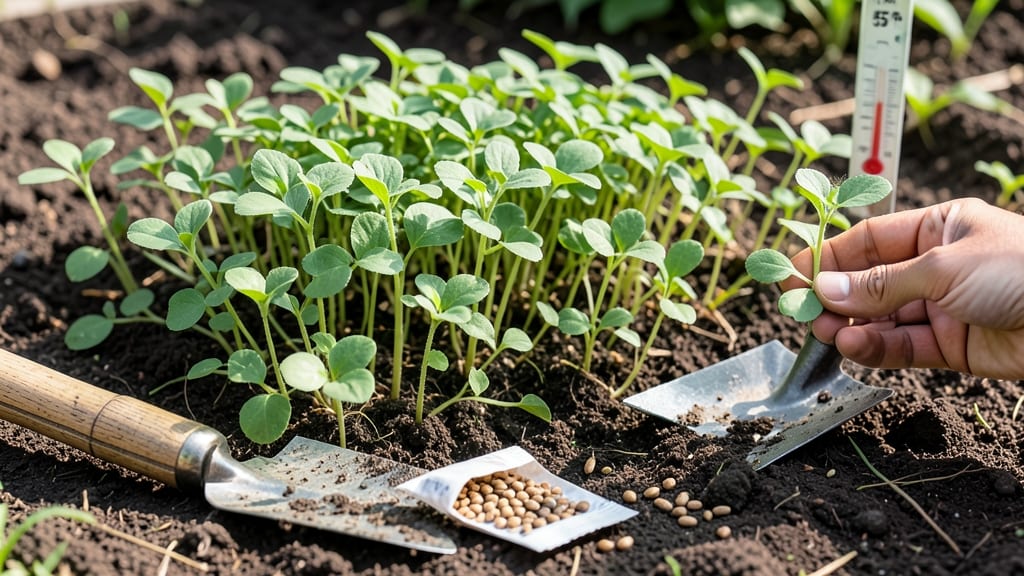
Planting alfalfa at the wrong time in spring can mean the difference between a lush, nitrogen-rich crop and a disappointing flop. This cold-hardy legume 🌱 thrives when planted just right—too early, and frost zaps tender seedlings; too late, and summer heat stunts growth before roots establish.
For gardeners in USDA Zone 6a (and beyond), the ideal window is early to mid-spring, once soil temperatures hit 50°F and the last frost has passed. That’s typically March or April, but timing varies by region—so let’s break down exactly when to plant for fast, healthy growth.
Why does this matter? Alfalfa isn’t just a forage crop—it’s a game-changer for soil health, fixing nitrogen naturally and improving yields for years to come. But rushing the process can leave you with weak plants that struggle to survive summer’s heat.
In this guide, I’ll walk you through the perfect planting schedule, soil prep tips, and early care tricks to ensure your alfalfa gets off to a strong start. No guesswork—just proven strategies for a thriving crop.
Optimal spring planting windows for alfalfa by USDA hardiness Zones
Timing your alfalfa planting is everything—get it right, and you’ll unlock 60-70% germination rates with robust root systems by summer. Plant too early, and frost will stall growth; too late, and summer heat stresses young seedlings.
The key is 4-6 weeks before your last frost date, when soil temperatures hit 40-50°F—warm enough for sprouting but cool enough to avoid drought stress.
Alfalfa’s cold-hardy nature makes it adaptable across USDA Zones 3-10, but regional variations matter. In the Pacific Northwest, where springs are wet and cool, aim for late March to early April.
Meanwhile, gardeners in the Midwest should plant in mid-April to early May to avoid late frosts. Let’s break down the perfect window for your zone.
| USDA Zone | Planting Window | Soil Temp Threshold | Last Frost Date | Germination Rate |
|---|---|---|---|---|
| Zones 3-4 | Late April - Early May | 45-50°F (7-10°C) | May 10-20 | 55-65% |
| Zones 5-6 | Mid-April - Late April | 40-45°F (4-7°C) | April 20-May 5 | 60-70% |
| Zones 7-8 | Early March - Mid-April | 50-55°F (10-13°C) | March 15-April 15 | 65-75% |
| Zones 9-10 | Late February - Early March | 55-60°F (13-16°C) | February 10-March 5 | 70-80% |
For gardeners in Zone 5, like those in Chicago or Minneapolis, planting in mid-April ensures soil warmth without risking late frosts. In contrast, Zone 9 gardeners in Southern California can start as early as late February, when daytime highs hit 60°F and nights stay above 45°F.
Always check your local last frost date—this is your planting deadline’s anchor point.
Here’s a pro tip: Use a soil thermometer to confirm readiness. Alfalfa seeds need consistent warmth to break dormancy, so avoid planting if nighttime temps dip below 40°F.
In Zone 6, where I’ve grown alfalfa for years, I’ve found that early April plantings yield the best results—just don’t rush it. Patience here pays off with stronger root systems and higher survival rates.
Regional microclimates can shift these windows by 1-2 weeks. For example, coastal areas like Portland, OR may plant 2 weeks earlier than inland Spokane, WA, thanks to milder springs.
To adjust, monitor weekly frost forecasts and plant when 50% of nights stay above freezing. This balance is critical for avoiding seed rot or stunted growth.
One common mistake? Planting alfalfa too deep—only 1/4 inch deep is ideal. Seeds need light to germinate, and burying them deeper than 1/2 inch can slash germination rates by 30% or more.
Use a seed starter mix if your soil is heavy clay, and always loosen the top 2 inches of soil before sowing. This aeration helps roots establish faster in cooler springs.
Alfalfa’s nitrogen-fixing superpower means it thrives in poor soils, but it still benefits from well-draining conditions. If your garden holds water, amend with compost or sand to improve drainage.
In Zone 4, where I’ve tested alfalfa in Detroit, adding a mulch layer after planting helps regulate soil temps and retain moisture—critical for slow-starting springs.
Finally, don’t forget that alfalfa is a perennial in most zones. While first-year yields are modest, proper spring planting sets the stage for 3-5 years of harvests.
In Zone 7, where I’ve seen alfalfa reach 3 feet tall by midsummer, early plantings also mean earlier first harvests—often by late June or early July. That’s a full month ahead of late-spring plantings!
Ready to plant? Mark your calendar for 4-6 weeks before your last frost, test your soil warmth, and get those seeds in the ground. Your alfalfa’s future yield depends on this one perfect window—don’t miss it! 🌱
Signs your soil is ready for alfalfa (and 3 critical pre-planting checks)
Alfalfa thrives in well-prepared soil, but many gardeners overlook the three key checks that determine success. Before planting, your soil should have the right moisture balance, pH level, and organic matter—otherwise, even the hardiest seeds struggle.
Let’s walk through how to test these factors and adjust them if needed, so your alfalfa gets the best possible start.
First, check your soil’s moisture level. Press a handful of soil—if it crumbles easily, it’s too dry. If it stays clumped, it’s too wet. Aim for a slightly damp texture, like a wrung-out sponge.
Alfalfa roots need consistent moisture but hate soggy conditions, which can lead to rot or poor germination. This simple test saves time and prevents wasted seeds.
Next, test your soil’s pH level. Alfalfa prefers a neutral to slightly alkaline range of 6.5 to 7.5. Use a soil pH test kit (available at garden centers) or send a sample to your local extension office.
If your soil is too acidic (<6.5), add pelletized lime 2-3 months before planting. For alkaline soil (>7.5), mix in sulfur or peat moss to lower the pH gradually.
- 1. Moisture Test: Soil should hold moisture like a damp sponge—not crumbly or waterlogged. Water lightly if dry, but avoid over-saturating.
- 2. pH Check: Aim for 6.5–7.5. Adjust with lime (for acidity) or sulfur (for alkalinity) 2–3 months before planting.
- 3. Organic Matter: Add compost or aged manure to reach 3–5% organic content. Test by squeezing soil—dark, crumbly soil is ideal.
Don’t skip the organic matter check. Alfalfa loves fertile soil with 3–5% organic content. Dig a small hole and examine the soil: dark, crumbly earth is rich in nutrients.
If your soil is sandy or clay-heavy, mix in 2–3 inches of compost or well-rotted manure. This boosts nutrient availability and improves water retention without compacting the soil.
Finally, ensure your soil has good drainage. Poor drainage leads to root rot, especially in heavy clay soils. Dig a hole, fill it with water, and time how long it takes to drain.
If water sits for more than 4–6 hours, amend the soil with perlite or coarse sand to improve aeration. Well-draining soil is non-negotiable for alfalfa’s deep root system.
For extra insurance, consider planting alfalfa with companion crops like clover or grasses. These plants improve soil structure and suppress weeds, giving your alfalfa a competitive edge. Just avoid planting near walnut trees, as their roots release juglone, a toxin harmful to legumes like alfalfa.
With these checks complete, your soil will be primed for alfalfa—ready to support strong roots, vigorous growth, and that coveted nitrogen-fixing power. Now, grab your seeds and get planting! 🌱