
Plants
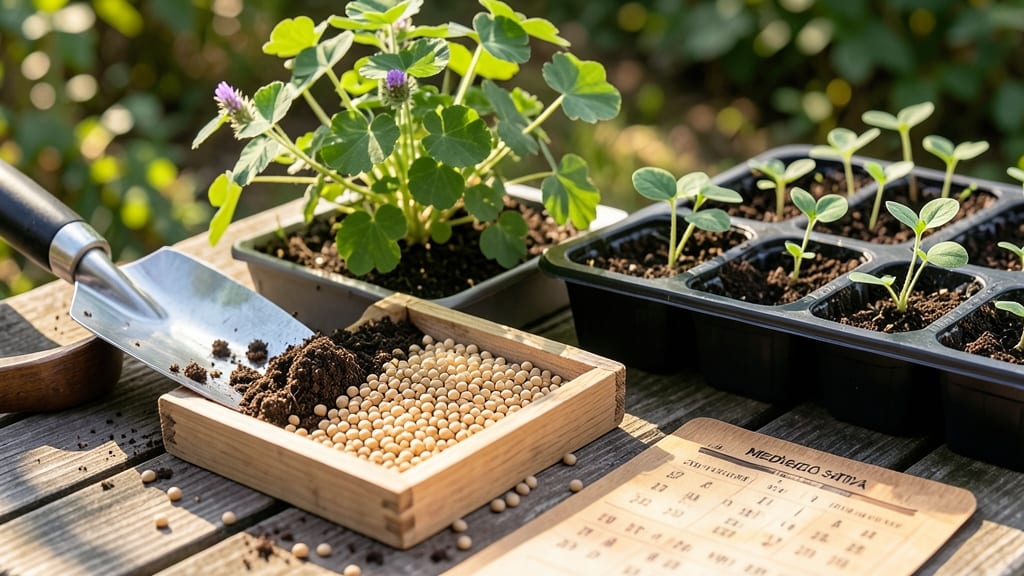
Timing your alfalfa 🌱 planting in Kentucky just right can make all the difference between a lush, productive crop and months of frustration. The key window—early spring or late summer—aligns perfectly with Kentucky’s 6a-7b climate, ensuring strong root establishment before winter or summer heat sets in.
If you’ve ever wondered why some gardeners swear by March planting while others prefer August, it all comes down to soil temperatures and frost risks. Kentucky’s unpredictable weather means getting the timing wrong could leave your alfalfa struggling—or worse, failing entirely.
Let’s break down the best months to plant for maximum success, so you can avoid common pitfalls and set your crop up for a thriving second year.
Most gardeners in Kentucky focus on March-April for early spring planting, but late summer (August-September) offers a second chance. The secret? Waiting until the soil warms to at least 50°F—a critical step for germination.
We’ll cover how to check soil temps, adjust for your specific region, and even handle unexpected rain delays without sacrificing your alfalfa’s potential.
Ready to turn your Kentucky garden into a high-yield alfalfa patch? I’ll walk you through the exact steps to prepare your soil, choose the right variety, and time your planting for peak growth—so you can harvest confidently in late summer or fall of next year. Let’s get started.
Best months to plant alfalfa in Kentucky for optimal growth
Alfalfa thrives in Kentucky’s climate when planted during two key windows: early spring and late summer. These periods align with soil temperatures and rainfall patterns that give alfalfa seedlings the best chance to establish deep roots before Kentucky’s harsh winters or summer droughts.
As someone who’s grown alfalfa for years in USDA Zones 6a-7b, I’ve learned timing is everything—plant too early, and frost will kill tender sprouts; too late, and summer heat stresses young plants.
For most of Kentucky, the ideal planting months are March through April and August through September. These windows balance warm soil, adequate moisture, and reduced competition from weeds.
In northern Kentucky (like Lexington or Louisville), aim for late March to early April to avoid late frosts, while southern regions (such as Bowling Green) can start as early as mid-February for early spring plantings.
Soil temperature is your best indicator: alfalfa seeds need soil temps above 50°F (10°C) to germinate consistently. Use a soil thermometer to check—if temps dip below this, wait until conditions improve. I’ve found that late August plantings often outperform September ones because they give roots time to establish before Kentucky’s first frost, typically hitting mid-October.
Here’s a quick reference for Kentucky-specific planting windows based on region and season:
If you’re planting in early spring, prioritize well-drained soil and full sun exposure—alfalfa needs 6+ hours of sunlight daily to thrive. I’ve seen first-year yields double when seedlings get consistent morning sun.
For late summer plantings, focus on irrigation to combat Kentucky’s dry spells in August and September. A drip irrigation system keeps moisture consistent without wetting foliage, which reduces fungal risks like leaf spot.
One common mistake I see is planting alfalfa in late spring (May). While the weather seems ideal, Kentucky’s competitive weeds (like crabgrass) outcompete young alfalfa seedlings for nutrients.
To avoid this, I recommend pre-emergent herbicides in late April or early May if you’re planting in May—just apply them before alfalfa emerges. For fall plantings in October, only attempt this in southern Kentucky where first frosts arrive after October 15.
Alfalfa’s deep taproot system makes it drought-tolerant once established, but seedlings need consistent moisture for the first 6–8 weeks. In Kentucky’s Bluegrass Region, where clay soils dominate, I recommend raising beds slightly to improve drainage.
For Pennyrile Plateau areas with sandy soils, add organic matter like compost to retain moisture. Both adjustments help alfalfa establish faster, which is critical for surviving Kentucky’s winter temperatures that can drop below 10°F (-12°C).
Pro tip: If you’re growing alfalfa for hay or forage, aim for a second-year harvest. First-year plants focus on root growth, while second-year plants produce high-protein forage. In Kentucky, this means planting in spring 2024 for a summer 2025 harvest.
For seed production, stagger plantings in late summer to extend the flowering window—Kentucky’s humid summers are perfect for alfalfa blooms if moisture is managed.
Finally, don’t overlook soil pH. Alfalfa prefers a neutral pH (6.5–7.5), and Kentucky’s acidic soils (common in the Cumberland Plateau) often need lime amendments before planting.
Test your soil in late winter and adjust 2–3 months before planting—this gives lime time to integrate into the soil profile. I’ve seen alfalfa yields increase by 30% in amended soils compared to untested beds.
Timing your alfalfa planting right in Kentucky isn’t just about months
How Kentucky’s climate affects alfalfa planting success
Kentucky’s diverse climate creates unique challenges and opportunities for growing alfalfa. The state’s USDA zones 6a-7b mean frost dates and rainfall patterns vary dramatically between regions, forcing gardeners to adapt planting strategies.
In the Bluegrass Region, milder winters and consistent rainfall create ideal conditions, while the Pennyrile Plateau faces harsher winters and drier spells that demand precise timing.
Understanding these regional differences is critical because alfalfa requires 60-70 frost-free days to establish strong roots before winter dormancy. A late planting in northern Kentucky could leave young plants vulnerable to early frosts, while southern areas might struggle with summer drought stress if planted too early.
The key lies in balancing soil warmth, moisture, and daylight hours—all influenced by Kentucky’s microclimates.
🌱
⚠️ Critical Timing Alert for Kentucky Alfalfa
Planting alfalfa outside these windows risks poor establishment:
- Bluegrass Region: March 20-April 15 (spring) or August 15-September 10 (fall)
- Pennyrile Plateau: April 1-May 1 (spring) or September 1-15 (fall)
Why? Soil temps below 50°F slow germination, while summer planting after September 15 risks frost damage before root establishment.
Kentucky’s rainfall patterns create another layer of complexity. The Bluegrass Region averages 45-50 inches annually, providing consistent moisture for alfalfa’s deep root system, while the Pennyrile Plateau sees 35-40 inches, requiring irrigation during dry spells.
Alfalfa’s drought tolerance kicks in after establishment, but seedlings need 1-1.5 inches of water weekly during germination—something northern Kentucky’s wet springs can provide, while southern areas might need supplemental watering.
Microclimates within these regions further complicate timing. For example, Lexington’s urban heat island effect can push last frost dates 1-2 weeks later than rural areas, while Paducah’s river valley experiences earlier springs.
Always check your local Cooperative Extension Service frost data—Kentucky’s last spring frost ranges from March 15 (north) to April 1 (south), while first fall frosts arrive October 15-30.
One often-overlooked factor is alfalfa’s biennial growth cycle. Plants establish roots in their first year but won’t produce meaningful forage until their second spring. This means fall-planted alfalfa must survive Kentucky’s winters—something easier in the Bluegrass Region (zone 7a) than the Pennyrile Plateau (zone 6b).
A September planting gives roots time to harden off before winter, while an October planting risks winterkill in colder microclimates.
For maximum success, align your planting with Kentucky’s two optimal windows: early spring when soil reaches 50°F+ and late summer when daytime temps stay above 70°F but nights cool below 80°F. Monitor your local weather forecasts and adjust—Kentucky’s climate rewards precise timing more than most crops.
The difference between a 50% survival rate and 90% establishment often comes down to planting just 10-14 days earlier in the spring or 7-10 days later in the fall.
🌿