
Plants
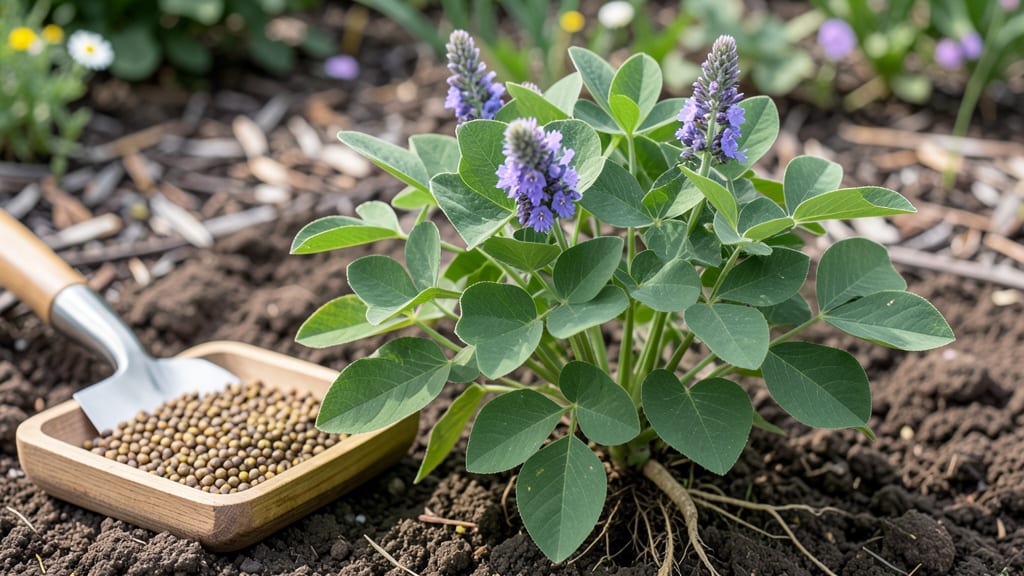
Planting alfalfa at the wrong time in Alabama can mean wasted seeds and stunted growth—even if your soil looks perfect. The key isn’t just avoiding frost; it’s catching that sweet spot when soil temperatures hit 55–65°F, right after your region’s last frost date.
For most of Alabama’s 7a-8b zones, that means early March in the north or even late February in the south. But timing varies by microclimate—Huntsville’s chill delays planting longer than Mobile’s milder winters.
I’ll break down exactly when to plant where, plus how to prep your soil for optimal germination.
You might think late summer’s heat is the worst enemy of alfalfa, but it’s actually a second planting window in August that many farmers swear by. The trick? Balancing moisture and heat stress. I’ll show you how to adjust for Alabama’s clay-heavy soils and unpredictable rain patterns.
Whether you’re growing alfalfa for forage, cover crops, or soil health, getting the timing right saves you money and effort. Let’s dive into the frost-free calendar, soil tests, and regional tweaks that’ll set your alfalfa up for success from day one.
Alabama alfalfa planting dates by region: frost-free Zone breakdown
Alabama’s diverse climate means alfalfa planting dates vary dramatically from North Alabama’s cooler mountains to South Alabama’s humid coastal plains. Getting the timing right ensures strong germination and maximum yields. The key factors are last-frost dates, soil temperatures (ideal: 55–65°F), and regional USDA hardiness zones 7a–8b.
Plant too early, and cold soils stall growth; too late, and summer heat stresses seedlings.
For North Alabama (e.g., Huntsville in Zone 7a), the last average frost typically falls around March 15–April 1. This region’s cooler springs demand patience—wait until soil warms to 55°F+ (usually mid-April) before sowing.
In Central Alabama (e.g., Birmingham in Zone 7b/8a), the window opens earlier: February 28–March 15 for soil temps of 55–60°F, with ideal germination by March 15–April 1.
Meanwhile, South Alabama (e.g., Mobile in Zone 8a/b) enjoys a longer growing season—plant as early as February 15 when soil hits 50°F, but aim for March 1–March 15 for optimal conditions.
The region’s mild winters even allow fall planting (August–September) in some areas, though yields may lag compared to spring.
Here’s how Alabama’s three regions compare for alfalfa planting success, including soil temp thresholds and ideal germination windows:
Notice how South Alabama’s earlier frost-free dates allow for faster germination (4–8 days vs. 7–14 in the North). This region’s warmer soils also reduce the risk of seed rot, a common issue in cooler zones.
However, summer heat (June–August) can stress alfalfa, so late-summer planting (August) is riskier unless you’re in Zone 8b with irrigation.
For North Alabama growers, the April 1–May 1 window is critical. Delaying past May risks heat stress before seedlings establish roots. Use black plastic mulch to warm soils faster if needed.
In Central Alabama, aim for March 15–April 1—this aligns with peak rainfall (March–April) to support germination without overwatering.
Pro tip: Use a soil thermometer to confirm temps before planting. Alfalfa seeds won’t germinate below 50°F, and cold soils (below 55°F) slow growth by up to 50%.
In Zone 7a, wait until soil hits 60°F for reliable results. Pair this with 1–1.5 inches of water weekly during germination to prevent crusting.
Regional microclimates add another layer. For example, Huntsville’s plateau can be 5–10°F cooler than nearby valleys, while Mobile’s coastal influence keeps soils 5–8°F warmer year-round. Adjust your planting date 1–2 weeks earlier in warmer microclimates (e.g., south-facing slopes) and 1–2 weeks later in cooler pockets (e.g., shaded valleys).
Finally, consider oversowing in late summer (August) for a fall harvest, especially in Zones 8a/b. While yields may be 20–30% lower than spring plantings, this strategy extends your forage
Soil temperature and moisture: critical factors for alfalfa success in Alabama
Alabama’s clay-heavy soils and humid climate create unique challenges for growing alfalfa. Unlike northern states, your soil rarely freezes solid, but moisture retention and temperature stability are everything. Alfalfa seeds need soil temps between 55–65°F to germinate properly—any cooler, and you’ll face slow sprouting or rot.
Meanwhile, Alabama’s high rainfall can turn compacted clay into a suffocating barrier if not managed.
Testing your soil’s readiness isn’t just about timing—it’s about preventing waterlogging and ensuring proper drainage. Start by checking soil moisture at a 2-inch depth; it should feel like a damp sponge, not a soggy sponge.
Use a soil thermometer to confirm temps before planting, especially in North Alabama where nights stay chilly into April. Skip the guesswork: cold soils = failed germination.
When to Plant Alfalfa in Alabama
- 🌡️ Soil Temp: Wait until soil reaches 55–65°F (use a thermometer!)
- 📅 Ideal Window: Mid-March to early April (after last frost)
- 💧 Moisture: Soil should be damp but not waterlogged (clay soils need aeration)
- ⚠️ Avoid: Planting before March 15 in North AL or after April 15 in South AL
Alabama’s clay soils are notorious for poor drainage, which can drown alfalfa roots if not addressed. Before planting, amend your soil with organic matter like compost or aged manure to loosen compaction. Aim for 1–2 inches mixed into the top 6 inches of soil.
If your land sits in a low spot, consider raising beds slightly to prevent water pooling during Alabama’s spring rains.
One of the biggest mistakes I see is planting alfalfa too early in cold, wet soils. Seeds left in below-55°F soil for more than a week risk fungal diseases like Pythium, which can kill seedlings before they sprout.
In South Alabama, where frost is rare, focus on soil moisture—alfalfa needs consistent water but hates soggy conditions. Use a moisture meter to track levels; aim for 40–60% moisture at planting.
To prepare your soil, follow this quick pre-planting checklist:
- Adjust pH to 6.5–7.5 (test with a soil kit)
- Till in 2–3 inches of compost to improve drainage
- Level the planting area to avoid water pooling
- Irrigate lightly 24 hours before planting to settle soil
- Plant seeds ¼–½ inch deep in rows 6–12 inches apart
Remember, alfalfa is a long-term investment—proper soil prep now means healthier stands and higher yields for years. Don’t rush planting; wait for the perfect combo of warm soil and dry conditions. Patience pays off when your alfalfa stands strong through Alabama’s summer heat and fall rains.