
Companion Plants
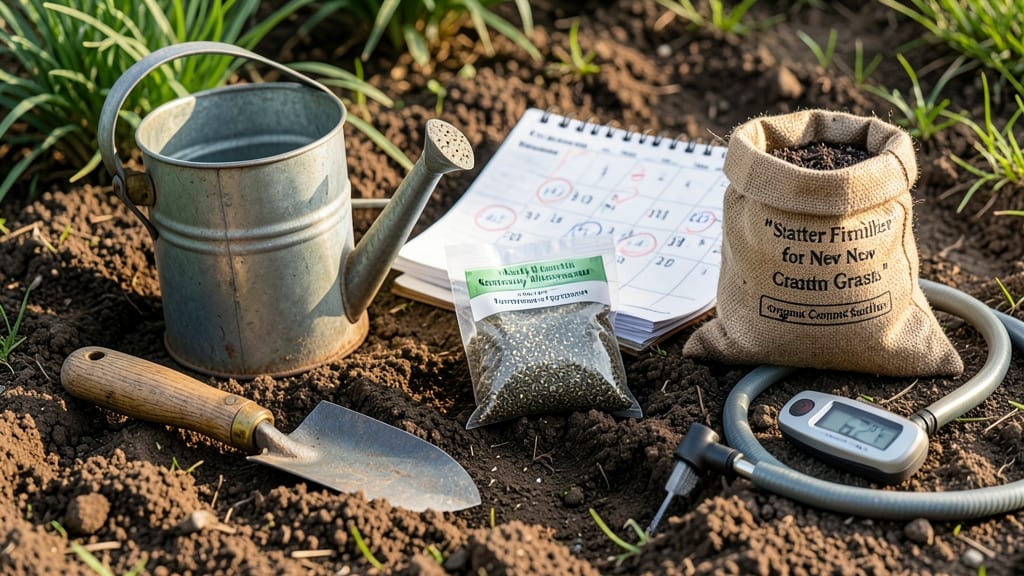
Planting grass seed in Michigan at the wrong time can mean the difference between a lush, green lawn and a patchy, struggling mess. With frost dates shifting yearly and soil temperatures varying by region, knowing the perfect window to plant your 🌱 grass seed is crucial for success.
Most gardeners in Michigan’s 5b-6b zones assume spring is the only option, but early fall can actually be even better for root establishment. The key is understanding soil temperature thresholds—cool-season grasses like Kentucky bluegrass thrive when the ground reaches 50°F, signaling it’s time to act.
Whether you’re in Detroit, Traverse City, or the Upper Peninsula, timing matters. I’ll break down the exact frost-free deadlines and soil prep tips tailored to your region, so you can avoid common mistakes and get that perfect lawn started right.
Ready to transform your yard? Let’s dive into the best planting windows, soil prep secrets, and how to handle Michigan’s unpredictable weather—so you can enjoy a vibrant lawn all season long.
Michigan’s frost-free deadlines & soil temperature rules for grass seed planting
Michigan’s cool-season climate makes timing critical for grass seed success. Unlike warm-season plants, cool-season grasses like Kentucky bluegrass and tall fescue thrive when soil temperatures stay below 65°F. Planting too early risks frost damage, while waiting too long can lead to summer heat stress.
The key is understanding your region-specific frost dates and soil temperature thresholds—both of which vary dramatically across Michigan’s three main zones.
For optimal germination, Michigan’s soil temperature should consistently reach 50°F at 2-inch depth. This threshold ensures seeds sprout quickly before summer heat arrives. However, Michigan’s frost-free dates shift yearly, so relying on last year’s schedule can backfire.
The Upper Peninsula often faces frost until May 15, while Southern Michigan may see its last frost as early as April 15. Below, we break down the planting windows and soil temperature rules for each region.
🌱 Pro Tip: Use a soil thermometer ($10–$15) to verify temperatures before planting. Morning readings (9–11 AM) are most accurate for cool-season grasses.
| Region | Avg. Last Frost | Soil Temp Threshold | Optimal Planting Window | Fall Alternative |
|---|---|---|---|---|
| Upper Peninsula | May 15–20 | 50°F (consistent) | Late May–early June | Mid-Sept–early Oct |
| Northern Lower Peninsula | April 25–May 5 | 50°F (consistent) | Mid-April–mid-May | Late Aug–mid-Sept |
| Southern Lower Peninsula | April 10–20 | 50°F (consistent) | Early April–early May | Early Sept–early Oct |
🌡️ Note: Soil temps lag behind air temps—wait for 3 consecutive days above 50°F.
In the Upper Peninsula, where winters linger longer, aim for late May to early June planting. This window ensures seeds germinate before summer’s 75°F+ soil temperatures stifle growth.
For Northern Lower Peninsula gardeners, the mid-April to mid-May window aligns with rising soil temps, but monitor forecasts for late frosts—especially in traverse city or petoskey, where cold pockets persist.
Southern Michigan’s earlier frost-free dates (as early as April 10 in detroit or ann arbor) allow for early April planting, but don’t rush. Test soil temps daily—40°F soils will delay germination by weeks.
If temps dip below 45°F at night, cover seeds with straw mulch (1/4-inch thick) to insulate them until roots establish.
Fall planting is Michigan’s secret weapon for lush lawns. In early September, soil temps drop to 60–65°F, ideal for cool-season grasses. Seeds germinate slowly in cool weather, avoiding summer pests and drought.
By mid-October, grass roots are 2–3 inches deep, ready to withstand winter’s chill. Southern regions can extend planting until early November, while the UP should finish by late September.
⚠️ Common Mistake: Planting in late May or June when soil temps exceed 65°F. Seeds dry out before germinating, leading to bare patches. Always check the National Weather Service or local Michigan State University Extension for updated frost dates.
For high-altitude areas (e.g., traverse city hills or upper peninsula mountains), frost dates can shift 1–2 weeks later due to cooler microclimates. Add 10–14 days to the frost-free deadlines listed above.
Conversely, urban heat islands (like detroit or grand rapids) may see soil warm 5–7 days earlier—adjust planting 1 week sooner if your yard is paved-heavy.
To maximize success, pair planting with proper soil prep. Loosen soil to 4 inches deep, mix in compost, and rake seed into 1/4-inch contact with soil.
Water lightly twice daily (morning/evening) until germination (7–14 days). Once grass reaches 3 inches tall, reduce watering to 1 inch per week to encourage deep roots.
Remember: Cool-season grasses grow best when planted 4–6 weeks before the first hard frost. In Michigan, that means early September for fall planting or late April–early May for spring.
With these soil temperature rules and frost-free deadlines in hand, your lawn will be the envy of the neighborhood—year after year.
How to adjust your planting timeline for Michigan’s microclimates & unpredictable weather
Michigan’s diverse landscapes—from the Upper Peninsula’s rugged terrain to Detroit’s urban heat islands—create wildly different planting conditions. Even within 50 miles, your neighbor’s frost-free date might be 2 weeks earlier than yours. The key to success? Local adjustments based on elevation, urban density, and historical weather patterns.
Start by checking your USDA Hardiness Zone (Michigan spans 5b to 6b) and cross-reference it with your local frost dates. The Michigan State University Extension provides updated averages, but I’ve found that high-altitude areas (like Traverse City) often see frost 10 days later than lowland cities like Kalamazoo.
Use these as baseline guidelines, not rules.
⚠️ Warning: Early Frost Risks in Michigan’s Microclimates
Urban areas (like Grand Rapids) can be 5°F warmer than rural zones at night, delaying frost—but valleys and low spots (common in the UP) may experience frost 2-3 weeks earlier than surrounding areas. High-altitude gardens (e.g., Houghton) often have shorter growing seasons due to cooler temps. Always monitor soil temperatures (aim for 50°F+) and use row covers if frost threatens within 10 days of planting.
For urban gardeners, heat-retaining surfaces like concrete or asphalt can raise soil temps by 3-5°F, making early spring planting viable. Test your soil with a thermometer—if it’s below 50°F, wait. Meanwhile, rural areas with loamy soil (common in Southern Michigan) warm faster, allowing earlier seeding.
I’ve planted tall fescue in late April in my Ann Arbor garden with success, but my friend in Marquette waits until mid-May.
Extended cold snaps? Don’t panic. Cool-season grasses (like Kentucky bluegrass) can handle light frosts after germination. If temps drop below 32°F within 7 days of planting, cover seeds with straw or a frost blanket.
For late-summer planting (August-September), focus on soil moisture—dry spells are common, and seeds need consistent dampness to sprout.
Pro tip: Use a weather station app (like Weather Underground) to track 10-day forecasts. If rainfall exceeds 1 inch in a week, delay planting—soggy soil smothers seeds.
In drought-prone areas (e.g., Western UP), pre-water the soil 24 hours before seeding to ensure moisture reaches 3 inches deep.
Finally, high-altitude regions (above 1,000 feet) need extra caution. Areas like Pellston or Iron Mountain may see frost through June. Plant hardy varieties like creeping red fescue and use black plastic mulch to warm soil faster. Adjust your timeline by 2-3 weeks later than lowland recommendations.