
Planting
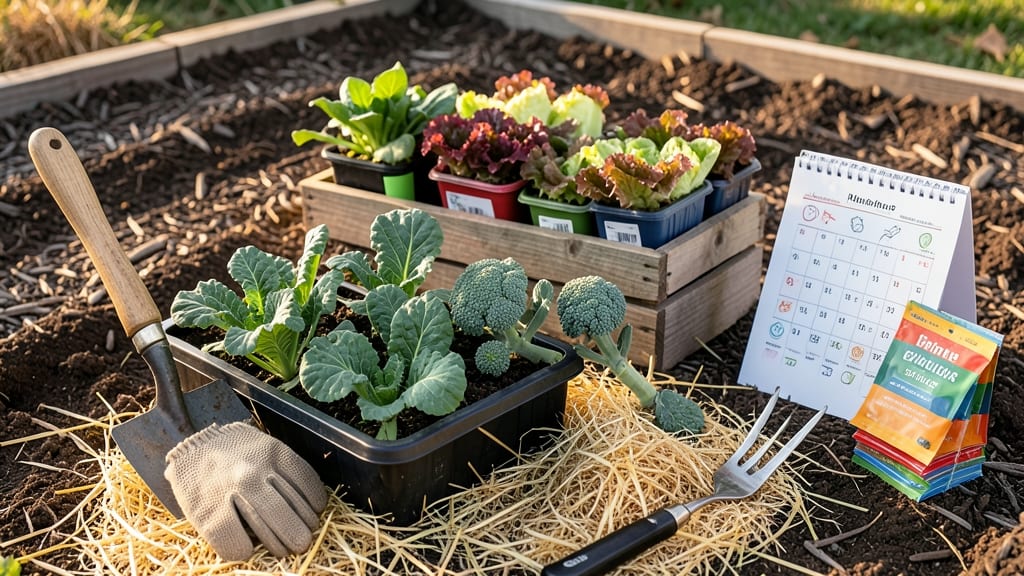
Timing when to plant a vegetable garden in Seattle isn’t just about following a calendar—it’s about outsmarting the city’s coastal fog, inland heat, and unpredictable spring rains. Plant too early, and a late frost will wipe out your seedlings; too late, and you’ll miss the sweet spot for summer harvests.
The difference between a thriving garden and a gamble comes down to knowing exactly when to start seeds, transplant seedlings, and adjust for Seattle’s two distinct growing zones.
If you’ve ever stared at a seed packet wondering, “Should I plant these tomatoes now or wait?”—this guide cuts through the confusion. We’ll break down the coastal vs. inland planting windows, so you can align your garden with Seattle’s USDA Zone 8a reality, not just the averages.
Whether you’re growing cold-hardy kale or heat-loving peppers, the right timing means the difference between 30-day harvests and wasted effort.
Here’s the game-changer: Seattle’s last frost date isn’t a single day—it’s a sliding window that shifts between the rainy west side and the drier east. I’ll show you how to use microclimate tricks, like row covers for early starts or staggered plantings to hedge against April showers.
No more guessing whether your lettuce will bolt or your tomatoes will wither before they ripen.
By the end, you’ll have a customized planting checklist tailored to your neighborhood, plus pro tips to extend your growing season well into fall. Ready to turn your 🥕 vegetable garden from a maybe into a must? Let’s get those seeds in the ground the right way.
Seattle planting zones: coastal vs. inland start dates by month
Seattle’s microclimates create dramatic differences between coastal and inland planting zones. The coastal areas (Zones 7-8) enjoy milder winters and later frosts, while inland spots (Zones 6-7) face colder temperatures and earlier frost risks. Understanding these monthly planting windows ensures your vegetable garden thrives year-round.
For coastal Seattle, the last frost typically arrives around March 15, while inland areas may see frost lingering until April 1. Meanwhile, the first frost hits coastal zones around November 15, but inland gardens can expect frost as early as October 20.
These differences mean your planting schedule must adapt based on location.
Here’s how to align your cool-season crops like lettuce and warm-season crops like tomatoes with Seattle’s monthly planting windows. The table below breaks down the optimal start dates for both coastal and inland areas, ensuring you maximize your growing season.
| Month | Coastal (Zone 7-8) | Inland (Zone 6-7) | Notes |
|---|---|---|---|
| March | Start cool-season crops (lettuce, peas, spinach) | Wait until March 20 for frost-sensitive crops | Use row covers for early starts |
| April | Plant warm-season crops (tomatoes, peppers) after last frost | Start hardy warm crops (beans, cucumbers) by April 15 | Soil should be 60°F+ for seeds |
| May | Transplant tomatoes, peppers, eggplants | Direct sow corn, squash, melons | Mulch to retain moisture |
| June | Sow fall crops (kale, carrots) for late harvest | Succession plant beans, lettuce every 2 weeks | Watch for pests in warm weather |
| July-August | Plant late-season crops (radishes, spinach) | Start cool-season crops for fall harvest | Extend season with cold frames |
| September | Direct sow broccoli, cabbage, peas | Transplant hardy greens by September 15 | Protect from early frosts |
| October | Plant garlic, onions, winter spinach | Finish warm-season crops before frost | Add compost for spring prep |
For coastal gardeners, the extended frost-free season allows you to push the limits—try planting tomatoes in late April or kale in early September. Inland gardeners should prioritize early starts for warm crops and late finishes for cool crops to avoid frost damage.
One of my biggest mistakes was planting tomato seedlings too early in inland areas—only to lose them to a late April frost. Now, I wait until May 1 for tomatoes inland, while coastal areas can start them by April 15. This simple adjustment saved my harvest!
If you’re growing heat-loving crops like peppers or eggplants, consider starting them indoors in March and transplanting after the last frost. For cool-season crops like spinach or peas, coastal gardeners can plant as early as February, while inland areas should wait until March 10.
Don’t forget to use season extenders like row covers or cold frames to push your planting windows further. These tools can add 2-4 weeks to your growing season, especially in Zone 7 inland areas
Best vegetables to plant in Seattle’s unique climate (and when)
Seattle’s mild coastal climate and warmer inland areas create perfect conditions for a year-round vegetable garden. Coastal regions (like West Seattle) thrive with cool-season crops, while inland spots (like Redmond) handle heat-loving varieties better.
The key? Timing—plant cool crops early and warm crops late to avoid frost or overheating.
For coastal gardens, focus on cold-hardy greens like kale and spinach in March-April, while inland gardeners can start tomatoes and peppers in May-June after the last frost. Both areas benefit from fall planting (August-September) for winter squash and garlic, which love cooler temps.
📌 Pro Tip: Use row covers to extend spring planting by 2-3 weeks if frost threatens. For inland heatwaves, opt for shade-loving varieties like Malabar spinach or Okinawan sweet potatoes.
| Vegetable | Best Planting Time | Coastal Notes | Inland Notes |
|---|---|---|---|
| Leafy Greens (Lettuce, Spinach, Kale) | March-April, Aug-Sept | Plant early; bolt-resistant varieties | Succession plant every 2 weeks |
| Tomatoes (Heat-Tolerant Varieties) | May-June (coastal), April-May (inland) | Use black plastic mulch for warmth | Choose Solar Fire or Celebrity varieties |
| Peppers (Bell, Jalapeño) | May-June (start indoors) | Grow in containers for mobility | Full sun + drip irrigation |
| Carrots (Cold-Hardy) | March-April, Aug-Sept | Loose soil prevents forking | Harvest before summer heat |
| Green Beans (Bush or Pole) | May-June (coastal), April-May (inland) | Trellis to save space | Succession plant for extended harvest |
| Garlic (Hardneck Varieties) | October-November (fall) | Plant cloves 2" deep | Harvest in July-August |
Extend your harvest season by planting winter crops like kale or cabbage in late summer. These cold-hardy veggies sweeten after frost, making them perfect for Seattle’s mild winters. For inland gardens, try heat-tolerant beans or Okra in July-August to beat the heat.
Always amend soil with compost before planting, and mulch heavily to retain moisture—Seattle’s rainy springs can drown young seedlings. 🌱