
Planting
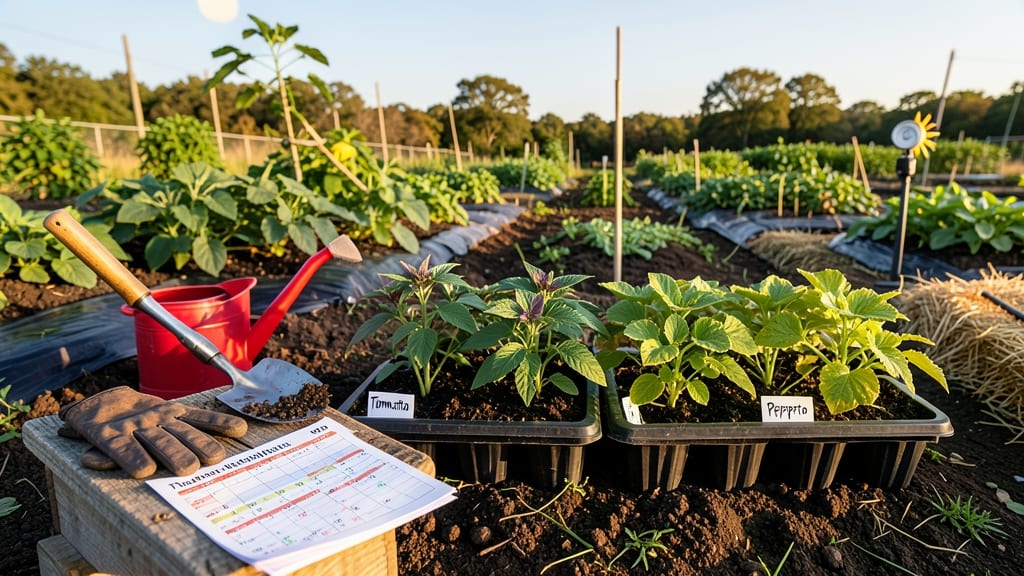
Planting a vegetable garden in Oklahoma at the wrong time can mean the difference between a bountiful harvest and wasted seeds—especially when those sudden spring freezes or scorching summers roll in.
The key to success lies in understanding your local microclimate and aligning your planting schedule with Oklahoma’s USDA zones 6-8, where timing isn’t just about the calendar but the soil’s readiness.
I’ve spent years testing what works in Oklahoma’s unpredictable weather, and the first rule is simple: start seeds indoors 6-8 weeks before the last frost date in your region.
For most of the state, that means early March for cool-season crops like lettuce and peas, while warm-season favorites like tomatoes and squash wait until after April 15th—unless you’re in the Panhandle, where you’ll need to push back even further.
What sets Oklahoma apart is its dramatic shift from chilly mornings to 90-degree heat within weeks.
That’s why I’ll break down the best planting windows by month, from early spring greens to late-summer heat lovers, so you can avoid common mistakes like planting tomatoes too soon or missing the window for fall crops.
Ready to turn your garden into a thriving food source? Let’s dive into the exact dates, soil prep tips, and companion planting tricks that’ll help your 🌱 vegetables flourish—no matter where in Oklahoma you’re gardening.
Oklahoma’s planting zones & heat map: when to start seeds indoors vs. outdoors
Oklahoma spans USDA Hardiness Zones 6-8, creating unique microclimates that affect planting times. The Panhandle (Zone 6b-7a) has shorter growing seasons, while Southeast Oklahoma (Zone 7b-8a) enjoys longer frost-free periods.
Understanding these zones helps you avoid late frosts that can kill tender seedlings or early heat that stunts cool-season crops.
For accurate timing, track your last average frost date—typically March 15-30 in most regions—and first frost date around November 15-30. However, microclimates like urban heat islands or sheltered valleys can shift these dates by 1-3 weeks. Always check Oklahoma State University Extension for localized updates.
Here’s how to use Oklahoma’s heat zones to plan your garden:
| Zone & Region | Last Frost Date | First Frost Date | Cool-Season Start Indoors | Warm-Season Start Outdoors |
|---|---|---|---|---|
| Zone 6b (Panhandle) | March 20-April 5 | November 5-15 | February 15-March 1 | April 20-May 10 |
| Zone 7a (Central OK) | March 15-25 | November 10-20 | February 1-March 15 | April 10-May 1 |
| Zone 7b (Southeast OK) | March 5-15 | November 20-December 5 | January 15-February 15 | March 20-April 10 |
| Zone 8a (Far Southeast) | February 20-March 10 | November 25-December 10 | December 15-January 15 | March 1-April 1 |
*Adjust dates 1-2 weeks earlier for urban heat islands or sheltered microclimates.
Cool-season vegetables like lettuce, spinach, and peas thrive when soil temperatures reach 40-50°F. Start these indoors 6-8 weeks before your last frost or sow directly 2-4 weeks before.
For tomatoes, peppers, and squash, wait until soil warms to 60°F+—typically after April 15 in most zones—to avoid transplant shock.
Oklahoma’s heat zones also dictate when to plant second crops. In Zone 6b, replant bush beans or cucumbers after July 1 to avoid wilting in 90°F+ heat. Meanwhile, Zone 8a gardeners can enjoy fall tomatoes planted in August-September for harvests before frost.
Use row covers or cold frames to extend your growing season. These tools let you plant cool-season crops 2-3 weeks earlier in spring or 2-4 weeks later in fall.
For example, kale and carrots can survive light frosts, so plant them 6 weeks before your first frost date for a winter harvest.
For warm-season crops, prioritize heat-tolerant varieties like 'Celebrity' tomatoes or 'Black Beauty' sweet potatoes. These handle Oklahoma’s 100°F+ summers better than standard types. Always mulch heavily to retain moisture and protect roots from heat stress.
Monitor soil temperature with a thermometer—50°F+ is ideal for most seeds. If your soil is too cold, use black plastic mulch to warm it 5-10°F faster. For slow-starting seeds like peppers, begin indoors under grow lights in late January (Zone 7b/8a) or early February (Zone 6b).
Pro tip: Keep a gardening journal to track your local frost dates and adjust future plantings. Over time, you’ll refine your schedule to match Oklahoma’s unpredictable weather patterns—because a 5-day warm spell in March doesn’t mean frost is over!
For extra guidance, consult the Oklahoma Mesonet for real-time weather data or your county extension office for hyper-local advice. With the right timing, you’ll enjoy homegrown tomatoes in July and crisp fall greens long after neighbors’ gardens have faded.
Best vegetables to plant by month in Oklahoma: a month-by-month guide
Oklahoma’s diverse climate—from the Panhandle’s arid heat to the Southeast’s humid summers—means your planting schedule should shift with the region. Whether you're growing okra in the Panhandle or squash in Central Oklahoma, timing is everything.
Below is a month-by-month breakdown tailored to Oklahoma’s three key regions, ensuring you plant, transplant, and harvest at the perfect times for maximum yields.
For cool-season crops like lettuce and peas, start early in February to March in the Southeast, while the Panhandle waits until April when soil warms. Warm-season favorites such as tomatoes and peppers thrive when planted after the last frost, typically mid-April to early May in Central Oklahoma.
Use this guide to align your planting with Oklahoma’s microclimates and avoid common pitfalls like frost damage or heat stress.
- February-March Southeast: Spinach, Peas, Lettuce (cool season)
- April Central: Onions, Carrots, Broccoli (transplant after frost)
- May Panhandle: Okra, Sweet Potatoes, Peppers (heat-tolerant crops)
- June-July All Regions: Green Beans, Cucumbers, Squash (succession plant)
- August-September Southeast/Central: Kale, Radishes, Turnips (fall cool season)
- October Panhandle: Garlic, Winter Squash (plant for late harvest)
In the Panhandle, where summers are scorching, focus on heat-loving crops like okra and sweet potatoes. Plant these in May to avoid wilting during Oklahoma’s 100°F+ heatwaves. Meanwhile, the Southeast can start cool-season crops earlier, thanks to its milder winters.
For example, spinach and peas thrive when planted in February, while Central Oklahoma gardeners wait until March.
For continuous harvests, practice succession planting. Sow green beans every 2 weeks from May to July, and lettuce every 3 weeks from February to September.
This ensures fresh produce all season long. Always check soil temperatures—most warm-season crops need soil at 60°F+, while cool-season crops prefer 50-60°F.
Don’t forget to adjust for microclimates. A south-facing garden warms faster than a shaded spot, so plant heat-sensitive crops like tomatoes in the coolest part of your yard.
Use mulch to retain moisture and row covers to protect early plantings from late frosts. With these strategies, you’ll turn Oklahoma’s challenges into a bountiful harvest.
Pro tip: Bookmark the Oklahoma State University Extension’s planting calendar for real-time updates on frost dates and weather alerts. Their localized advice can save your garden from unexpected setbacks.