
Plants
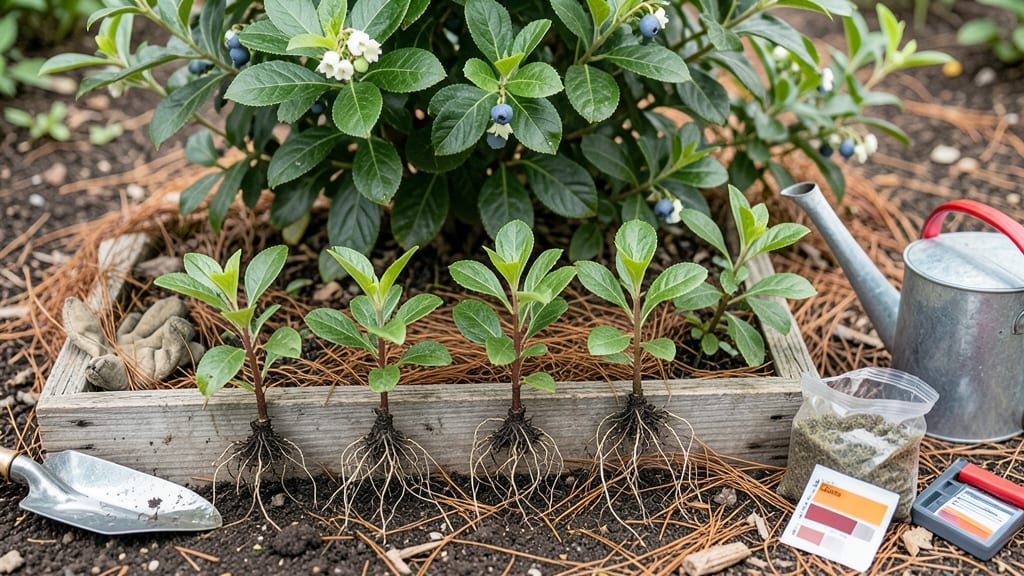
Planting blueberries at the wrong time in Washington State could mean struggling with poor growth or even losing your bushes before they bear fruit. Whether you're in the mild coastal regions or the colder inland areas, timing is everything for these 🫐 shrubs to thrive.
Most gardeners in 6b-9a zones (like Eastern WA's 6b or Western WA's 8a-9a) get the best results by planting in late winter to early spring or during fall. This gives roots time to establish before summer heat or winter frost sets in.
I've learned the hard way that rushing the process—like planting in summer—can shock delicate roots, while waiting too late might leave bushes vulnerable to early frosts. The key is matching your variety to your local chill hours and microclimate.
In this guide, I’ll break down the best months for your specific region, whether you're planting bare-root or in containers, so you can enjoy a harvest of juicy blueberries for years to come.
Washington State blueberry planting dates by chill-hour zones (map & guide)
Washington State’s diverse climate—from the mild Puget Sound to the cold Palouse region—creates unique challenges for blueberry growers. The key to success lies in understanding chill-hour requirements, which range from 400 hours in coastal areas to 1,000+ hours in the inland zones.
Planting at the wrong time can stunt growth or prevent fruiting entirely, so timing is everything.
Blueberries thrive when planted during their dormant season, either in late winter (February–March) or early fall (September–October). This timing allows roots to establish before the first frost or summer heat sets in. For bare-root plants, late winter is ideal, while container-grown blueberries can handle fall planting more flexibly.
Washington’s USDA zones 6b–9a and microclimates (e.g., urban heat islands, high-desert areas) further complicate timing. For example, Spokane’s chill hours (800–1,000) suit high-chill varieties like ‘Bluecrop’, while Olympia’s milder climate (500–700 hours) favors ‘Duke’ or ‘Top Hat’. Let’s break down the best planting windows by region.
Here’s a quick reference for optimal planting dates based on Washington’s chill-hour zones and microclimates:
| Region | Chill-Hour Range | Best Planting Window | Recommended Varieties | Key Considerations |
|---|---|---|---|---|
| Western WA (Puget Sound) | 400–600 hours | Late February–March or September–October | ‘Duke’, ‘Top Hat’, ‘Jersey’ | Milder winters; avoid late spring planting |
| Central WA (Cascade Foothills) | 600–800 hours | Mid-March–April or August–September | ‘Bluecrop’, ‘Patriot’, ‘Earliblue’ | Moderate frost risk; mulch heavily |
| Eastern WA (Palouse/Spokane) | 800–1,000+ hours | Late March–April or September | ‘Bluecrop’, ‘Legacy’, ‘Chandler’ | Harsh winters; plant early to establish roots |
| High-Desert (Wenatchee) | 700–900 hours | April–May or August | ‘Duke’, ‘Patriot’, ‘Spartan’ | Dry soil; irrigate deeply post-planting |
For bare-root blueberries, aim to plant as soon as the soil is workable—typically February–March in most of Washington. These plants enter dormancy naturally, so handling them gently and keeping roots moist until planting is critical.
If you’re using container-grown blueberries, fall planting (September–October) works well, as the plants can establish roots before winter dormancy.
In coastal areas like Seattle or Bellingham, where winters are wet and mild, focus on late February–March planting. The Puget Sound’s marine influence delays frost, so avoid planting in April or May, as summer heat can stress young plants.
For inland regions like Yakima or Wenatchee, plant in March–April to beat the first frost, which can arrive as early as October 15.
Soil preparation is just as critical as timing. Blueberries demand acidic soil (pH 4.5–5.5) and well-draining conditions. Before planting, amend your soil with peat moss or sulfur to lower pH, and mix in compost for nutrients.
Test your soil’s pH at least 2–3 weeks before planting—this gives you time to adjust if needed. A simple soil test kit from your local WSU Extension office can save you from costly mistakes.
Once planted, mulch heavily (3–4 inches) with pine needles or wood chips to retain moisture and mimic the plant’s natural habitat. This is especially important in drier inland zones, where summer water stress can kill young blueberries.
Water deeply 1–2 times per week for the first 6–8 weeks to encourage root growth, then taper off as the plant establishes.
Pro tip: If you’re planting in urban areas with microclimates (e.g., hot sidewalks or shaded backyards), monitor local frost dates closely. Use a frost calendar from the National Weather Service or your county extension office to fine-tune your planting schedule.
For example, Spokane’s last frost averages April 15, while Seattle’s can linger until May 15.
Remember, patience is key—blueberries take 2–3 years to bear fruit, but with the right timing and care, you’ll enjoy decades of harvests. Whether you’re in the rainy west or the dry east, aligning your planting with Washington’s chill-hour zones ensures your blueberries thrive from day one. 🫐🌱
Best months to plant blueberries by elevation: coastal vs. mountain regions
Washington State’s elevation changes dramatically from sea level to high mountain regions, creating microclimates that shift blueberry planting windows by months. Coastal areas like Olympia enjoy mild winters, while inland cities like Spokane face harsh frost risks.
High-desert zones like Wenatchee require even earlier prep. Understanding these differences ensures your blueberries thrive.
For coastal regions (0–500 ft), such as Bellingham or Olympia, the ideal planting window stretches from late September to early November. The mild climate allows fall planting without frost damage, and cooler temps help roots establish before winter.
In contrast, mountain regions (2,000–3,000+ ft), like Leavenworth or Snoqualmie Pass, demand earlier action—planting between late August and mid-September to avoid early snow.
| Region | Elevation | Best Planting Months | Chill-Hour Varieties | Key Consideration |
|---|---|---|---|---|
| Coastal (Olympia, Bellingham) | 0–500 ft | Late Sept–Early Nov | Low-chill (400–600 hrs) | Mild winters; avoid summer heat |
| Inland (Spokane, Wenatchee) | 1,000–2,000 ft | Late Aug–Mid Oct | Mid-chill (600–800 hrs) | Frost risk; plant early |
| Mountain (Leavenworth, Snoqualmie) | 2,000–3,000+ ft | Late Aug–Early Sept | High-chill (800–1,000 hrs) | Short growing season; prioritize root growth |
In inland areas (1,000–2,000 ft), like Spokane or Yakima, gardeners should plant between late August and mid-October. These zones experience colder winters and earlier frosts, so mid-chill varieties (600–800 hours) like Duke or Bluecrop perform best.
For high-desert regions (2,000+ ft), such as Wenatchee, the window narrows to late August to early September—planting any later risks early snow cutting off root establishment.
Choosing the right blueberry variety is just as critical as timing. Low-chill varieties (400–600 hours), like Top Hat or Sunshine Blue, thrive in coastal regions where winters are mild.
Meanwhile, high-chill varieties (800–1,000 hours), such as Jersey or Patriot, suit mountain climates with harsher winters. Always check chill-hour requirements before selecting plants for your elevation.
Pro tip: Bare-root plants should be planted in late winter (February–March) for all elevations, but container-grown blueberries can handle fall planting with proper mulching (3–4 inches of straw or pine needles) to insulate roots.
In coastal areas, mulch also prevents summer heat stress, while in mountain regions, it shields against freeze-thaw cycles.
Timing your blueberry planting by elevation ensures strong root growth, better fruit production, and longer plant lifespan. Whether you’re in Olympia’s coastal fog or Wenatchee’s high desert, follow these guidelines to enjoy homegrown blueberries for years to come. 🫐🌱