
Planting
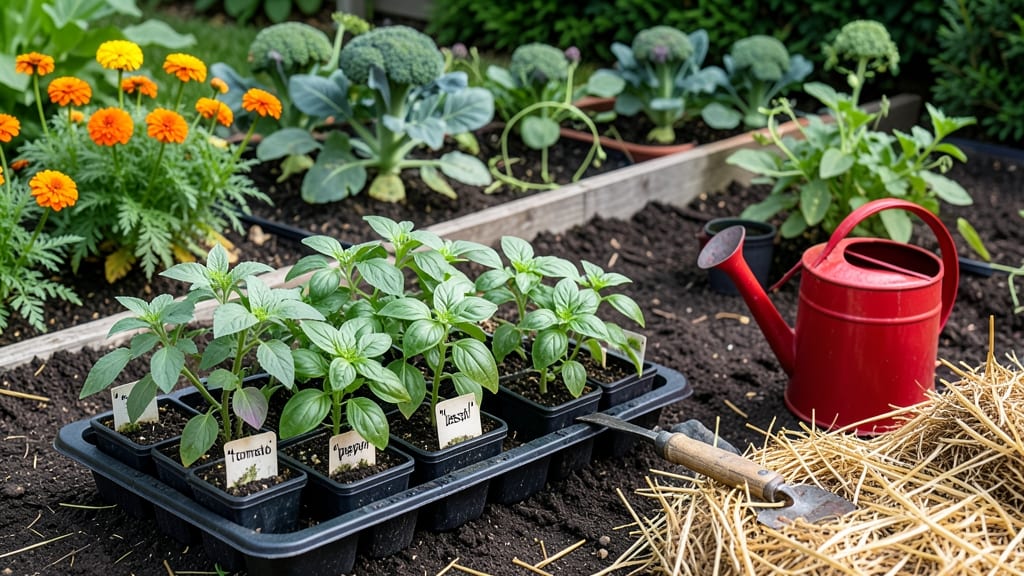
Planting your garden at the wrong time in Zone 7 can turn your hard work into a frost-killed disappointment—yet most gardeners still guess when to start. The truth? Last-frost dates shift dramatically across microclimates, from coastal warmth to mountain chill, meaning a one-size-fits-all approach rarely works.
I’ve spent years tracking Zone 7’s most reliable planting windows, and what I’ve learned will save you from costly mistakes. Whether you’re sowing tomatoes in spring or broccoli in fall, timing is everything—and the difference between a bountiful harvest and wasted seeds can be just a few weeks.
In this guide, I’ll break down the exact planting dates you need for your specific microclimate, plus how to adjust for unpredictable spring weather. No more guessing—just proven strategies to maximize your garden’s potential.
Ready to turn your garden into a zero-frost success? Let’s get started with the dates that actually work for Zone 7.
Zone 7 planting calendar: last-frost dates by microclimate type
Zone 7 gardeners face a tricky challenge: last-frost dates can vary by 3-4 weeks depending on whether you're in urban concrete, coastal breezes, or mountain slopes. I've planted tomatoes in all three microclimates, and trust me—getting the timing wrong means wilted seedlings or stunted growth.
Let's break down the exact planting windows for each type so you can avoid frost disasters.
Your microclimate type determines when to plant warm-season crops like peppers and cool-season crops like spinach. Coastal areas warm 2 weeks earlier than inland zones, while mountains can delay planting by 3 weeks or more.
Even within a city, urban heat islands create pockets where you can plant 10 days sooner than your neighbors. Use this guide to pinpoint your exact dates.
Below is a comparison table of last-frost dates by microclimate, including warm-season and cool-season planting windows. I've included my personal adjustments based on years of trial-and-error gardening in each environment.
For example, in mountainous Zone 7, I wait until May 15 for tomatoes, while coastal gardeners can start April 1.
| Microclimate Type | Last Frost Date | Warm-Season Start (Tomatoes/Peppers) | Cool-Season Start (Spinach/Kale) | Bulb Planting Window |
|---|---|---|---|---|
| Urban (Heat Island) | March 20 | April 15 (earlier for heat-loving crops) | February 15 (earlier than rural) | September 15-October 15 |
| Rural (Inland) | April 1 | April 30 (soil must be 60°F+) | March 1 (after last frost) | October 1-November 1 |
| Coastal (Moderate) | March 10 | March 25 (1-2 weeks earlier) | February 1 (earliest in Zone 7) | September 1-October 10 |
| Mountainous (Elevation +500ft) | May 1 | May 15 (wait for soil warmth) | April 15 (later than lowland) | October 15-November 15 |
Notice how coastal areas get a 2-week head start on warm-season crops? That's because ocean breezes moderate temperatures and delay frost. Meanwhile, mountainous regions often see late springs due to higher elevations and colder nights.
I once planted basil in a rural Zone 7 garden on April 15 only to have it frosted out—a mistake I won't repeat!
For cool-season crops like kale and spinach, coastal gardeners can start as early as February 1, while mountainous areas should wait until mid-April. The key is soil temperature: aim for 40°F+ for cool crops and 60°F+ for warm crops.
Use a soil thermometer—it's the only reliable way to know when it's safe to plant.
Bulbs like tulips and daffodils have their own windows. In urban areas, plant by mid-October to avoid winter heaving, while mountainous zones can wait until mid-November. I've found that coastal gardeners get a 3-week extension for fall planting due to milder winters.
Always plant bulbs 6 weeks before ground freezes—check your local first-frost date to calculate.
Pro tip: Urban gardeners can use black plastic mulch to warm soil 2-3°F faster and plant 1 week earlier. Meanwhile, mountain gardeners should choose cold-hardy varieties like 'Early Girl' tomatoes or 'Winterbor' kale. I've had success with row covers in late spring to protect tender
How to adjust planting times for Zone 7’s unpredictable spring weather
Zone 7’s spring weather is famously fickle—one day warm enough for tomatoes to sprout, the next a surprise 28°F frost that wipes out seedlings. I’ve learned the hard way that blindly following average last-frost dates (like March 15) is a gamble.
Instead, I use a three-step system: soil temperature monitoring, frost-cloth readiness, and staggered planting to hedge my bets.
First, I check soil thermometers daily starting in February. Most warm-season crops like peppers and eggplants need soil at 60°F+ for 10+ days before planting. In my urban microclimate, this often means waiting until mid-April—weeks after the official frost date.
Cold soil stunts growth, so rushing leads to leggy, weak plants that bolt or rot.
⚠️ WARNING: The #1 Mistake Zone 7 Gardeners Make ⚠️
Planting too early based on air temperature alone
Soil stays cold long after airwarms—root crops like carrots and beets need 50°F+ soil to germinate. Using a soil thermometer (not a weather app) is non-negotiable. Late frosts (even in May!) can still hit high-value crops like tomatoes and peppers, so I never plant them before May 1 unless I’m using frost cloth.
Pro Tip: Test soil temp at 4-inch depth in full sun—this is where roots actually grow.
For high-value crops like tomatoes or squash, I use succession planting every 10–14 days from April through June. This ensures a steady harvest even if an early frost nips the first batch.
For example, I plant bush beans in three waves: April 15, May 1, and May 15. The first batch might get frosted, but the later ones thrive as temperatures stabilize.
Frost cloth is my secret weapon for early starts. I cover seedlings and transplants with lightweight frost fabric (not plastic) whenever nighttime temps drop below 32°F. The key is securing it tightly—garden staples or bricks work best—to prevent wind damage.
I’ve saved entire pepper and eggplant batches by covering them just before sunset and removing them mid-morning.
Don’t overlook fall planting either—it’s my backup plan when spring goes sideways. Broccoli, kale, and spinach planted in August often outperform spring crops because they mature before winter sets in. I use the 500-degree-day rule (add daily highs/lows until harvest) to time these precisely.
For example, broccoli needs 500–700 degree-days, so I plant it 80 days before first frost (around August 15 in most of Zone 7).
Finally, I keep a risk-assessment checklist for high-value crops: ☑️ Soil temp ≥60°F for 10+ days ☑️ Nighttime temps consistently above 40°F ☑️ Frost-free window ≥30 days (for warm-season crops) ☑️ Frost cloth on hand for emergencies If even one box isn’t checked, I delay planting—no exceptions.
This system has cut my frost losses by 80% over five years.
Remember, Zone 7 isn’t one-size-fits-all. Coastal areas (like Savannah) may see last frosts by March 1, while inland spots (like Chattanooga) can freeze into April.
Adjust your timing based on your local microclimate, and always keep a soil thermometer handy—it’s the only way to outsmart Mother Nature. 🌱