
Planting
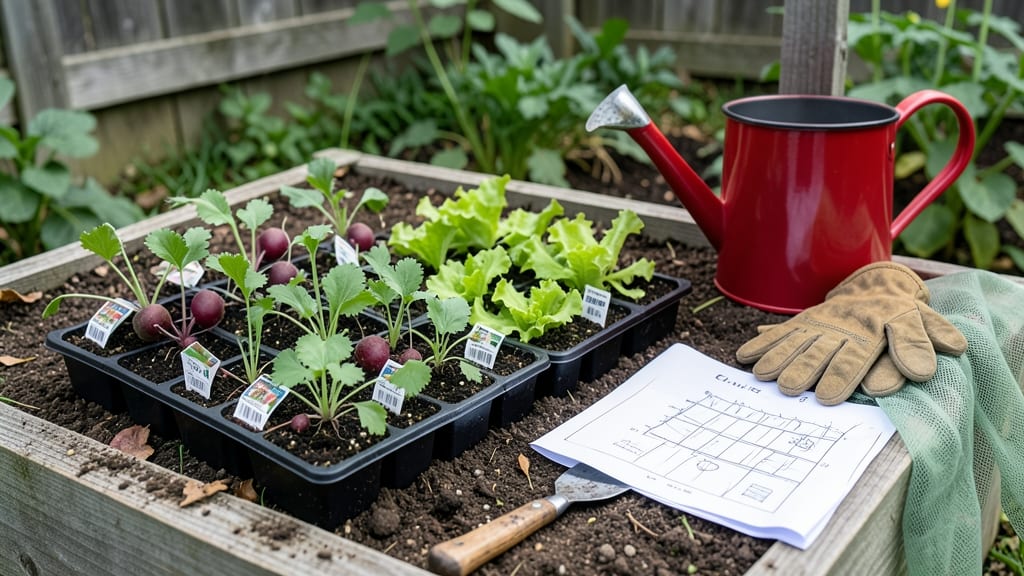
Timing your garden planting in New Brunswick can feel like guessing whether spring will arrive in April or June—because it might do both. The right window between frost and heat is narrow, but getting it wrong means wasted seeds or stunted plants before they even reach their full potential.
I’ve grown gardens here for years, and the key isn’t just following a calendar—it’s reading the land. Coastal Saint John warms faster than Fredericton’s inland valleys, and a late May frost can still sneak in.
Whether you’re sowing cold-hardy peas or waiting for tomatoes, knowing exactly when to plant saves time, money, and frustration.
This guide breaks down New Brunswick’s frost-free zones, from USDA 4b to 6a, and matches crops to your microclimate.
Learn how to stretch your growing season with simple tricks, like row covers or early starts, so you’re harvesting kale in May and tomatoes in October—no matter what Mother Nature throws your way.
Ready to turn your garden into a year-round success? Let’s dive into the perfect planting schedule for your corner of the province, so you can stop guessing and start growing.
New Brunswick’s frost-free dates & best planting months by region
Timing your garden in New Brunswick means working with a short growing season and variable frost dates that shift between coastal and inland areas.
The province spans USDA Zones 4b to 5b, meaning your last spring frost can arrive anywhere from mid-May to early June, while first fall frosts hit as early as mid-September in rural zones. Understanding these regional differences is key to avoiding frost damage or wasted effort.
Coastal cities like Saint John and Moncton enjoy slightly milder microclimates thanks to the Gulf of Maine and Bay of Fundy, which can delay frost by 1-2 weeks compared to inland Fredericton.
Meanwhile, rural areas in the Saint John River Valley often face earlier frosts, requiring gardeners to plan earlier starts or use season-extending tools. Let’s break down the frost-free windows and best planting months for each region.
Pro Tip: Always check your local Environment Canada frost forecast in late April, as late-season cold snaps can push back planting by 2-3 weeks. Many garden centers in New Brunswick also offer free frost date alerts via email or app.
| Region | Avg. Last Frost | Avg. First Frost | Frost-Free Days | Best Time to Plant Cool-Season Crops | Best Time for Warm-Season Crops |
|---|---|---|---|---|---|
| Fredericton (Inland) | May 15–20 | September 20–25 | 125–130 days | April 15–May 1 (under cover) or May 15–20 (direct sow) | May 25–June 10 (after last frost) |
| Saint John (Coastal) | May 20–25 | September 25–October 1 | 130–135 days | April 20–May 5 (under cover) or May 20–25 (direct sow) | June 1–10 (after last frost) |
| Moncton (Coastal) | May 18–22 | September 22–28 | 128–133 days | April 15–May 1 (under cover) or May 15–20 (direct sow) | May 25–June 5 (after last frost) |
| Rural Areas (e.g., Miramichi, Grand Falls) | May 10–15 | September 15–20 | 120–125 days | April 1–15 (under cover only) or May 10–15 (direct sow) | May 20–June 1 (after last frost) |
For cool-season crops like kale, spinach, and radishes, you can start seeds indoors in March or directly in the garden as early as mid-April under row covers. These hardy plants tolerate light frosts and can even sprout in cold soil if protected.
In coastal areas, you might even squeeze in a fall harvest of these crops by planting in early August.
Warm-season crops such as tomatoes, peppers, and cucumbers need to wait until after your last frost date. In Fredericton, that’s typically late May, while coastal Moncton might be early June.
To maximize your growing season, start these plants indoors in late April and transplant 2-3 weeks before the last expected frost. Use black plastic mulch to warm the soil faster and give your plants a head start.
Microclimates play a huge role in New Brunswick gardening. A south-facing slope or urban heat island (like downtown Saint John) can add 1-2 weeks to your frost-free window. Conversely, low-lying areas or northern exposures may experience frost 10 days earlier.
Always scout your garden’s sun exposure and wind patterns—wind can drop temperatures 5–10°F faster in open areas.
If you’re unsure about your local frost dates, use these three simple tricks to estimate your window: 1. Check the USDA Plant Hardiness Zone Map for your exact location (New Brunswick ranges from Zone 4b to 5b).
- Ask local gardeners—many community groups (like New Brunswick Green Thumb) track frost dates annually.
- Plant frost-sensitive crops like basil or eggplant only after Memorial Day weekend as a safe bet.
Remember, even if your neighbors’ gardens are thriving,
Cold-hardy vegetables & herbs that thrive in New Brunswick’s short season
New Brunswick’s short growing season can feel like a race against time, but with the right cold-hardy crops, you can enjoy fresh harvests from early spring to late fall.
The key is selecting varieties that tolerate light frosts and thrive in cool conditions. These resilient plants not only survive but often taste sweeter after a frost!
For maximum yield, focus on two planting windows: early spring (March–April) and late summer (July–August). Early plantings give you a head start, while late plantings extend your harvest into autumn’s cooler months. Let’s explore the top 10 frost-resistant crops that will keep your garden productive all season.
🌱 Top 10 Cold-Hardy Crops for New Brunswick
- 1. Kale – Plant March–April or July–August; tolerates -10°C. Harvest outer leaves for continuous yield.
- 2. Peas – Sow April–May; thrives in cool soil (5–10°C). Use trellises for space-saving.
- 3. Radishes – Fast-growing (3–4 weeks); plant March–June or August–September.
- 4. Swiss Chard – Cut-and-come-again; plant April–May or July for fall harvests.
- 5. Spinach – Prefers cool weather; sow March–April or August for late-season greens.
- 6. Lettuce – Choose cold-hardy varieties (e.g., Winter Density); plant March–April or July–August.
- 7. Carrots – Sow April–May or July; thin seedlings to 2 inches apart for optimal growth.
- 8. Beets – Plant March–June or July–August; harvest when roots reach 2–3 inches.
- 9. Parsley – Biennial herb; sow April–May or July for year-round greens.
- 10. Cilantro – Fast-growing (4–6 weeks); plant April–May or August for cool-season flavor.
💡 Pro Tip: Use succession planting every 2–3 weeks to keep a steady supply of these crops!
For early spring plantings, start seeds indoors in March (e.g., lettuce, spinach) or direct-sow into warmed soil as soon as it’s workable. Peas and radishes are excellent early crops—they germinate quickly in cool soil and won’t bolt in the heat.
Mulch with straw to protect tender seedlings from late frosts.
Late summer plantings (July–August) focus on fast-maturing crops like radishes, lettuce, and cilantro. These can be harvested before fall frosts hit in October–November. Use row covers to extend the season by 2–4 weeks, shielding plants from light frosts while allowing sunlight to penetrate.
Spacing and depth are critical for cold-hardy crops. For example, plant kale seeds ½ inch deep with 18 inches between plants, while radishes only need ¼ inch depth and 2 inches apart.
Always amend soil with compost to improve drainage—waterlogged roots are a common issue in New Brunswick’s humid climate.
Don’t overlook herbs like parsley and cilantro; they’re not just flavor boosters but also frost-tolerant perennials in milder microclimates. Harvest leaves regularly to encourage bushier growth, and save seeds from your best plants for next year’s garden.
With these resilient crops, your New Brunswick garden can thrive even in the shortest of seasons!