
Planting
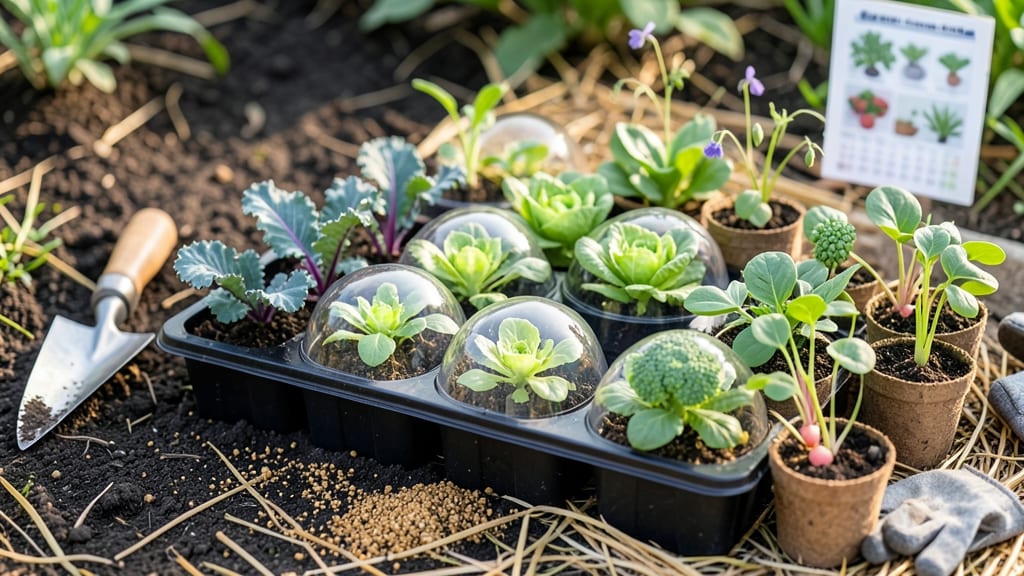
Timing your 🥕 vegetable garden in New Brunswick’s 5b zone isn’t just about luck—it’s about knowing when to plant so you avoid frost damage and maximize your harvest.
With last frosts creeping in around April 15 and first frosts arriving by October 15, every week counts for getting seeds in the ground or seedlings transplanted just right.
I’ve learned the hard way that planting too early can leave your tender greens as crispy snacks for late frosts, while waiting too long might mean your tomatoes never ripen before the cold sets in.
The key is matching each crop’s needs to New Brunswick’s 165 frost-free days, whether you’re starting peas in cool spring soil or rushing cucumbers into the ground by July 15.
In this guide, I’ll break down the exact windows for everything from hardy potatoes to heat-loving peppers, plus how to adjust for your specific microclimate—whether you’re in coastal Saint John or inland Fredericton. No more guesswork, just a bountiful harvest you can count on.
Ready to turn your garden into a productive powerhouse? Let’s get those seeds in the soil at the perfect moment—because in New Brunswick, the growing season is short, and every day matters.
New Brunswick planting calendar: exact start dates by crop type for Zones 4b-5b
New Brunswick’s short growing season and variable frost dates demand precision when planting your vegetable garden. In Zones 4b-5b, the average last frost date ranges from mid-April in Saint John to late May in Fredericton.
Coastal areas like Moncton often warm up 1-2 weeks earlier than inland regions, so adjust your schedule accordingly. Using this calendar ensures you maximize your harvest window while avoiding frost damage to tender crops.
For cool-season vegetables like spinach, peas, and broccoli, start seeds indoors 4-6 weeks before your last frost date. These hardy crops can tolerate light frosts and even thrive in cool soil temperatures as low as 40°F (4°C).
Warm-season plants, including tomatoes, peppers, and corn, need soil temperatures above 55°F (13°C) to germinate successfully. Always wait until after May 15 to plant these heat-lovers in Fredericton, or mid-May in coastal areas.
Here’s your month-by-month planting guide for New Brunswick’s most popular vegetables, tailored to Zones 4b-5b:
| Crop Type | Planting Window (Zones 4b-5b) | Notes for New Brunswick | Harvest Time |
|---|---|---|---|
| Cool-Season Crops |
• Spinach, Kale, Lettuce: March 15 - April 15 (direct sow)
• Peas, Broccoli, Cabbage: April 1 - May 15 (direct sow)
• Potatoes: April 15 - May 1 (plant seed potatoes)
|
• Start spinach early for spring harvests; replant late July for fall.
• Use row covers for broccoli to extend harvest into fall.
• Peas thrive in cool, moist soil—ideal for early spring.
|
• Spinach: 45-60 days
• Broccoli: 70-90 days
• Potatoes: 90-120 days
|
| Warm-Season Crops |
• Tomatoes, Peppers, Eggplant: May 15 - June 1 (after last frost)
• Corn: May 20 - June 10 (plant in blocks, not rows)
• Beans, Cucumbers, Squash: May 25 - June 15
|
• Tomatoes need 10-12 hours of sun—choose a south-facing spot.
• Corn requires 60+ days of warm weather; plant late May for best results.
• Cucumbers are frost-sensitive—use row covers if late frosts occur.
|
• Tomatoes: 60-85 days
• Peppers: 70-90 days
• Cucumbers: 50-65 days
|
| Frost-Sensitive Crops |
• Basil, Cucumbers, Melons: June 1 - June 15
• Green Beans, Okra: May 25 - June 10
• Sweet Potatoes: June 15 - July 1
|
• Start basil indoors in April for early harvests.
• Green beans can handle light frosts but prefer warm soil.
• Okra thrives in hot, dry conditions—ideal for July-August planting.
|
• Basil: 30-45 days
• Green Beans: 50-60 days
• Sweet Potatoes: 90-110 days
|
| Fall Planting |
• Spinach, Kale, Lettuce: July 15 - August 1
• Broccoli, Cabbage: July 1 - July 15
• Radishes, Carrots: August 1 - August 15
|
• Use row covers to extend fall harvests past first frost.
• Radishes mature in 25-30 days—perfect for late-season plantings.
• Harvest before hard frost (typically mid-October).
|
• Spinach: 40-50 days (fall)
• Broccoli: 60-75 days (fall)
• Radishes: 25-3
How to adjust planting times for New Brunswick’s microclimates and unpredictable weatherNew Brunswick’s coastal and inland regions create distinct microclimates that can shift planting windows by 2-4 weeks. Coastal areas like Saint John often experience warmer springs and cooler summers compared to inland Fredericton, where frost risks linger longer. Understanding these differences helps you avoid late-season losses and maximize your harvest. For example, tomatoes planted in Saint John’s Zone 5b can start 2 weeks earlier than in Fredericton’s Zone 4b. Meanwhile, potatoes—which need cool soil—thrive in early spring before inland areas warm up. These regional nuances mean one-size-f’timing doesn’t fit all, so let’s break down how to adapt. ⚠️ WARNING: Late Frost Risks in New Brunswick
⚠️ Coastal vs. Inland Frost Dates
Saint John (Zone 5b): Last frost April 20 (avg), but 10% chance of frost until May 5. Warm ocean breezes delay frost, but valleys can stay cold longer. Fredericton (Zone 4b): Last frost May 10 (avg), with 20% frost risk until May 25. Inland areas cool down faster at night, increasing frost danger for warm-season crops. Action Tip: Use frost cloth or row covers for tomatoes, peppers, and cucumbers until June 1 in inland zones. To mitigate frost risks, I recommend fast-maturing varieties and season extenders. For instance, bush beans (ready in 50 days) can be planted 2 weeks earlier than pole beans, giving you a head start on harvests. Similarly, cold frames can push spinach and kale harvests into late October, adding 4-6 extra weeks of production. Another key strategy is staggered planting. Instead of sowing all your carrots or lettuce at once, spread out seeds every 2 weeks from April to June. This ensures a continuous harvest and reduces the impact of unpredictable weather wiping out an entire crop. For warm-season plants like squash or corn, wait until soil temps hit 60°F (15°C)—usually late May to early June—to avoid poor germination. For gardeners in coastal areas, leverage the maritime climate by planting heat-loving crops like peppers and eggplants slightly earlier. Inland gardeners should focus on early-maturing hybrids and succession planting to compensate for shorter growing seasons. Always monitor local weather forecasts and adjust planting dates 1-2 weeks earlier if springs are warmer than average. Finally, keep a garden journal to track your microclimate’s unique patterns. Note when frosts occur, how soil warms, and which varieties thrive. Over time, you’ll refine your planting schedule to match your specific corner of New Brunswick—turning unpredictable weather into a competitive advantage. 🌱 |