
Plants
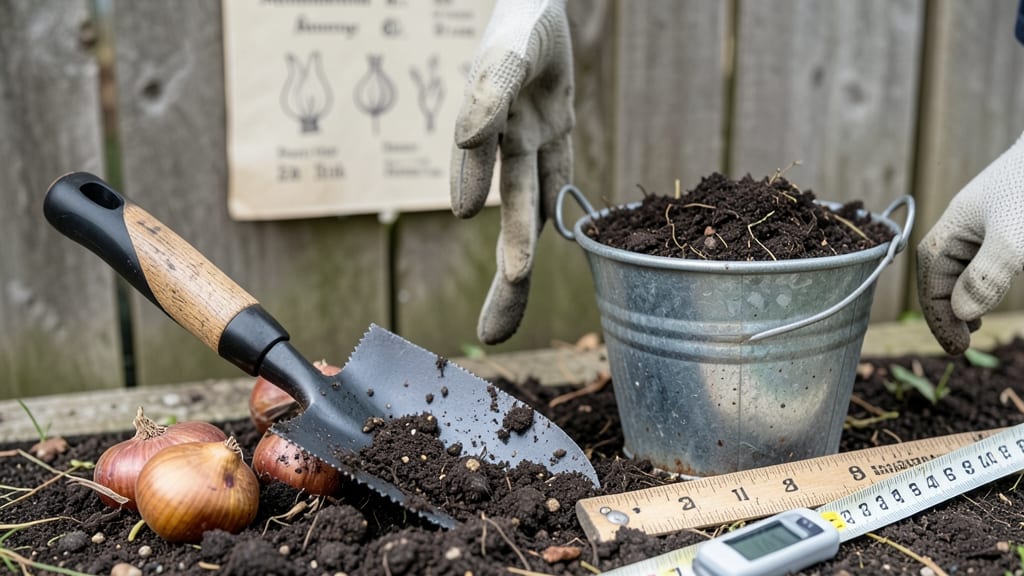
Planting your bulbs in the ground at the wrong time could mean waiting another full year for those vibrant spring blooms you’re dreaming of.
Whether you’re a seasoned gardener or just starting out, getting the timing right is the key to unlocking perfect blooms—and science has some surprising tricks up its sleeve.
Most gardeners know fall is the prime window for planting, but did you know moon phases and chill-hour requirements can make or break your success? I’ll show you exactly how to align your planting with nature’s cycles and your local climate to guarantee those stunning flowers next spring.
From understanding why 6-8 weeks before frost is ideal for most bulbs to adjusting for your specific USDA zone, we’ll cover all the essentials. Plus, I’ll debunk common myths—like whether spring planting actually works—and share pro tips to avoid costly mistakes.
Ready to transform your garden? Let’s dive into the perfect timing, soil prep, and spacing secrets that will have your bulbs thriving—and blooming—like never before.
Best planting times for bulbs based on chill-hours and hardiness zones
Planting bulbs at the wrong time can turn your dream spring garden into a year-long wait. The secret to success lies in understanding two critical factors: chill-hour requirements and your USDA hardiness zone.
These determine when bulbs like tulips, daffodils, and hyacinths get the proper dormancy period they need to bloom spectacularly. For example, tulips typically need 12-16 weeks of cold, while daffodils are more flexible with 8-12 weeks.
Without this cold exposure, bulbs may produce weak stems or no flowers at all.
Your USDA zone acts as your gardening GPS, telling you when to plant based on local frost dates. In Zone 5, for instance, you’d plant fall-blooming bulbs in October, while Zone 8 gardeners might wait until November or even December.
The rule of thumb is to plant bulbs 6-8 weeks before the first hard frost—this gives them enough time to establish roots before the ground freezes. But here’s the catch: bulbs planted too early may rot, while those planted too late might not get enough chill time.
Let’s break it down with a chill-hour cheat sheet and a zone-specific planting timeline to help you avoid common mistakes. For instance, crocuses (which bloom early) only need 4-8 weeks of cold, so they can be planted as late as December in Zone 6.
Meanwhile, alliums, which thrive in cooler climates, benefit from 10-12 weeks of chill and should go in the ground by October in Zone 7.
If you’re in a warmer zone (Zone 9+), some bulbs like tulips and daffodils can even be planted in winter (December-January) to avoid summer heat stress. The key is to mimic their natural cycle: bulbs need a period of cold to trigger blooming, followed by warmth to grow.
For example, in Zone 9, you might plant fall-blooming bulbs in December and spring-blooming bulbs in February.
Don’t overlook microclimates—your garden might have spots that freeze earlier or stay warmer. For instance, a north-facing slope might need bulbs planted 2-3 weeks earlier than the rest of your yard. Conversely, a south-facing bed could handle a slightly later planting.
Use a soil thermometer to check when temperatures drop to 40-50°F, the ideal range for bulb planting. This small tool can save you from guessing and ensure your bulbs get the perfect start.
Another pro tip: pre-chill bulbs if you’re in a mild climate. Store them in a garage or refrigerator for 6-8 weeks at 35-45°F before planting. This mimics the natural chill period and can coax even finicky bulbs like t
Moon phase planting calendar for bulbs: root vs. flower growth stages
Planting bulbs isn't just about the season—it's also about the moon phases and chill-hour requirements. Many gardeners swear by lunar planting calendars, but pairing them with your USDA hardiness zone and bulb-specific chill hours takes your success to the next level.
For example, tulips need 12-15 weeks of chill hours, while daffodils thrive with 4-8 weeks. This means timing isn't one-size-fits-all!
Rooting bulbs during the waxing moon (when the moon grows brighter) helps establish strong roots before dormancy. Meanwhile, planting flowering bulbs during the full moon aligns with nature's energy for blooming. Combine this with your local frost dates, and you've got a foolproof system for perfect blooms next spring.
Let's break down the exact steps to sync your planting with both lunar cycles and chill-hour needs.
🌱 Key Moon Phase & Chill-Hour Planting Rules
- 1. Root bulbs during waxing moon: Plant fall-blooming bulbs (tulips, crocuses) 6-8 weeks before first frost under a waxing moon for strong root growth.
- 2. Flower bulbs at full moon: Plant spring-blooming bulbs (daffodils, hyacinths) after last frost under a full moon to boost flowering energy.
- 3. Chill-hour match: Verify chill-hour needs—plant tulips in Zone 3-8 (12-15 weeks chill) vs. daffodils in Zone 4-9 (4-8 weeks chill).
- 4. Depth = 2-3x bulb height: Dig holes 6-8 inches deep (pointy end up) for most bulbs, regardless of moon phase.
- 5. Water after planting: Give bulbs a deep watering after planting, even if soil feels moist—moon phases don’t replace hydration!
Let’s say you’re in Zone 6a (like many gardeners in the Midwest) with a first frost on October 31. For tulips, you’d plant between September 15-25 during a waxing moon to ensure they get their required 12-15 weeks of chill.
Meanwhile, daffodils (only needing 4-8 weeks of chill) could go in as late as November 1—but still under a waxing moon for rooting.
Pro tip: Use a lunar planting calendar (like the Old Farmer’s Almanac) to cross-reference moon phases with your local frost dates. For example, if the full moon falls on your ideal planting date, prioritize flowering bulbs like alliums or fritillaries.
If it’s a waxing moon, focus on rooting bulbs like tulips or hyacinths.
Don’t overlook microclimates either! A south-facing slope warms up faster, so you might plant 2 weeks earlier there than in a shady spot. Combine this with moon phases, and you’ll have bulbs blooming weeks ahead of schedule.
For instance, crocuses (which only need 2-4 weeks of chill) can often be planted in late fall under a waxing gibbous moon for an early spring show.
Remember, the moon’s gravity influences water flow in the soil, which is why rooting bulbs during a waxing moon helps them absorb moisture efficiently. Pair this with the right chill-hour exposure, and you’ll see healthier foliage and bigger blooms next season.
Start experimenting this fall—your garden will thank you with showstopping color! 🌷