
Planting
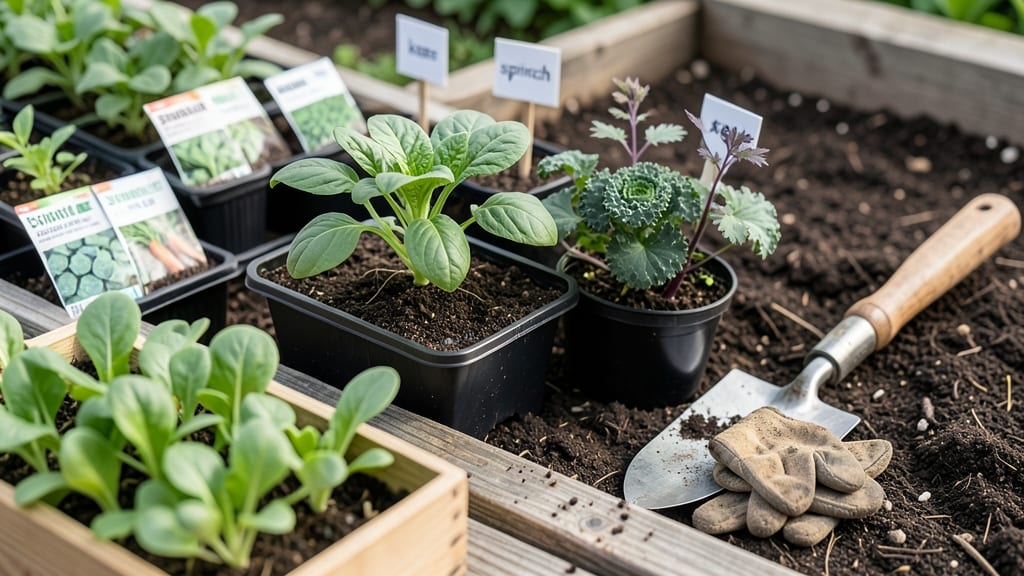
Planting a garden in Michigan isn’t just about grabbing seeds and digging into the dirt—it’s about mastering the unpredictable dance with frost dates that can make or break your harvest.
Whether you’re in Detroit’s urban gardens or the Upper Peninsula’s cooler climes, getting the timing right means the difference between a bumper crop and a sad, wilted disappointment.
I’ve learned the hard way that Michigan’s USDA zones 5b-6b demand patience, not just enthusiasm. The last frost can sneak in as late as mid-May in some areas, while the first frost might show up by mid-October—leaving you with a 150-180 day window to work with.
That’s why knowing your county’s specific frost dates is the first step to a thriving 🌱 vegetable garden.
This guide will break down exactly when to plant everything from cool-loving lettuce to heat-seeking tomatoes, plus how to adjust for Michigan’s quirks—like sudden cold snaps or unusually warm springs.
We’ll cover soil prep, regional tweaks, and even how to stretch your growing season with clever tricks. Ready to turn your garden dreams into reality?
Let’s dive into the perfect planting timeline so you can enjoy fresh, homegrown veggies from June through October—no guesswork required.
Michigan’s frost-free dates by county: the ultimate planting timeline
Michigan’s frost-free dates vary dramatically from the Thumb region to the Upper Peninsula, making accurate timing critical for your garden’s success. Southern counties like Wayne (Detroit) typically enjoy 150-180 frost-free days, while northern areas like Marquette see just 90-120 days.
These differences dictate which crops thrive—and which risk damage—depending on your location.
Understanding your last spring frost and first fall frost dates helps you plan for warm-season crops like tomatoes and peppers or cool-season crops like spinach and kale.
For example, planting tomatoes in Detroit (average last frost: April 25) is far safer than in Traverse City (average last frost: May 15).
Below is a county-by-county breakdown of Michigan’s frost dates, including historical trends and ideal planting windows for early, mid, and late-season crops. Use this as your guide to avoid frost damage and maximize harvests.
| County | Avg. Last Spring Frost | Avg. First Fall Frost | Frost-Free Days | Best for Early Crops | Best for Late Crops |
|---|---|---|---|---|---|
| Wayne (Detroit) | April 25 | October 20 | 178 | Spinach, Peas, Lettuce | Kale, Brussels Sprouts, Carrots |
| Oakland (Pontiac) | April 28 | October 18 | 173 | Radishes, Onions, Cabbage | Broccoli, Cauliflower, Beets |
| Kalamazoo | May 5 | October 10 | 158 | Peas, Spinach, Potatoes | Lettuce, Turnips, Radishes |
| Traverse City | May 15 | September 25 | 133 | Peas, Spinach, Kale | Lettuce, Radishes, Bush Beans |
| Marquette (UP) | May 25 | September 10 | 108 | Peas, Spinach, Radishes | Lettuce, Bush Beans, Turnips |
| Grand Rapids | May 10 | October 5 | 148 | Spinach, Peas, Lettuce | Kale, Carrots, Beets |
Southern Michigan counties like Wayne and Oakland offer the longest growing seasons, allowing for two full harvests of warm-season crops like tomatoes and peppers. In contrast, northern regions like Marquette must focus on fast-maturing varieties or container gardening to extend the season.
Always check local weather trends—some years, frost can arrive weeks earlier or later than average.
For warm-season crops (tomatoes, peppers, cucumbers), wait until 2 weeks after your county’s last frost date to plant. Cool-season crops (spinach, peas, lettuce) can often tolerate light frosts, so you can start them 4-6 weeks before the last expected frost.
Use row covers or cold frames to push these limits safely.
In late summer, plan your fall planting by counting backward from your county’s first frost date. For example, if your first frost is October 20 (like Detroit), you have until early September to plant fast-maturing crops like bush beans or radishes.
Slow growers like broccoli or cabbage need 60-90 days to mature, so start them 8-10 weeks before frost.
Pro tip: Bookmark the Michigan State University Extension’s frost date map or use apps like Old Farmer’s Almanac for real-time updates.
Best planting times for Michigan crops: vegetables, flowers, and herbs by type
Michigan’s gardening season thrives on timing—cool-season crops like spinach and peas love early springs, while warm-season favorites such as tomatoes and peppers need to wait until soil warms.
The key is understanding your USDA Zone (5b-6b) and local frost dates, which can vary by 5-10 days between northern and southern Michigan. For example, southern counties (like Wayne) may plant tomatoes by late April, while northern regions (like Marquette) often wait until mid-May to avoid frost damage.
Perennials and flowers add another layer—spring-bloomers like tulips need planting in fall (October), while annuals such as marigolds can go in after the last frost. Even within the same category, herbs like cilantro bolt quickly in summer heat, so timing matters.
Below, I’ll break down exact planting windows for Michigan’s most popular crops, plus risk vs. reward tips for extending seasons with row covers or cold frames.
Pro tip: Use soil thermometers to confirm readiness—cool-season crops need 40–60°F soil, while warm-season crops demand 60–70°F. For risk vs. reward, row covers add 2–4 weeks to early/late seasons, while cold frames can extend harvests by 30–45 days.
Start small with one test row of each crop to gauge your microclimate’s quirks!
🌱